Tesamorelin represents the first synthetic growth hormone-releasing hormone (GHRH) analog approved specifically for the treatment of excess abdominal adiposity in HIV-infected patients with lipodystrophy. This comprehensive review examines the molecular pharmacology, clinical development, efficacy data, safety profile, and broader therapeutic implications of tesamorelin. As a stabilized analog of human GHRH(1-44), tesamorelin stimulates endogenous growth hormone (GH) secretion through selective agonism of GHRH receptors in the anterior pituitary, subsequently modulating hepatic insulin-like growth factor-1 (IGF-1) production and adipose tissue metabolism. Pivotal clinical trials have demonstrated significant reductions in visceral adipose tissue (VAT) in HIV patients with lipodystrophy, accompanied by improvements in metabolic parameters and quality of life measures. This review critically evaluates the mechanistic basis of tesamorelin's therapeutic effects, analyzes clinical trial data supporting its approval, examines safety considerations including glucose metabolism effects, and explores potential applications beyond HIV-associated lipodystrophy. The evidence positions tesamorelin as a valuable therapeutic tool for addressing the metabolic complications of HIV treatment while raising important questions about broader applications in metabolic disease management.
1. Introduction and Clinical Context
The advent of highly active antiretroviral therapy (HAART) in the mid-1990s transformed HIV infection from a rapidly progressive fatal disease to a manageable chronic condition. However, this therapeutic success revealed a new clinical challenge: HIV-associated lipodystrophy syndrome, characterized by complex alterations in body fat distribution, metabolic derangements, and increased cardiovascular risk [1]. The syndrome manifests through peripheral lipoatrophy (fat loss in face, limbs, and buttocks) and central lipohypertrophy (fat accumulation in visceral, dorsocervical, and breast regions), often coexisting in the same patient. These changes profoundly impact physical appearance, psychological well-being, and metabolic health, contributing to treatment non-adherence and increased morbidity.
The pathophysiology of HIV-associated lipodystrophy involves multiple interconnected mechanisms including direct effects of HIV proteins on adipocyte function, mitochondrial toxicity from nucleoside reverse transcriptase inhibitors (NRTIs), protease inhibitor effects on lipid metabolism and adipocyte differentiation, chronic inflammation, and altered hormonal regulation [2]. Visceral adipose tissue accumulation, in particular, correlates with insulin resistance, dyslipidemia, and elevated cardiovascular risk, mirroring metabolic complications observed in non-HIV-infected individuals with central obesity. Traditional interventions including dietary modification, exercise, and switches in antiretroviral regimens have demonstrated limited efficacy in reversing established lipodystrophy, creating a significant unmet therapeutic need.
Tesamorelin emerged from efforts to develop pharmacological interventions specifically targeting the visceral adiposity component of HIV lipodystrophy. The rationale for employing a GHRH analog derived from observations that HIV-infected patients with lipodystrophy exhibit relative GH deficiency, blunted GH responses to physiological stimuli, and alterations in the GH-IGF-1 axis [3]. Direct GH administration had shown efficacy in reducing visceral adiposity but was associated with significant adverse effects including hyperglycemia, arthralgias, and edema at doses required for fat reduction. Tesamorelin's mechanism of action, stimulating endogenous pulsatile GH secretion rather than providing continuous exogenous GH, was hypothesized to preserve more physiological GH dynamics while maintaining therapeutic efficacy.
This review provides comprehensive analysis of tesamorelin's development, from molecular design through clinical validation, regulatory approval, and ongoing investigations into expanded applications. Understanding tesamorelin's pharmacology and clinical profile illuminates broader principles of growth hormone axis manipulation and metabolic regulation in disease states.
2. Molecular Pharmacology and Mechanism of Action
Tesamorelin (Egrifta) is a synthetic analog of human growth hormone-releasing hormone, specifically GHRH(1-44)-NH2, the biologically active form secreted by hypothalamic neurons. The peptide consists of 44 amino acids with a molecular weight of approximately 5,136 Daltons. The critical structural modification distinguishing tesamorelin from native GHRH is the addition of a trans-3-hexenoic acid group to the N-terminus, which substantially enhances metabolic stability and extends biological half-life while preserving receptor binding affinity and agonist activity [4].
2.1 Structural Characteristics and Receptor Interactions
The amino acid sequence of the biologically active core of tesamorelin is identical to that of endogenous human GHRH(1-44), preserving the critical structural elements required for GHRH receptor recognition and activation. The N-terminal region (residues 1-29) contains the receptor binding domain and is essential for biological activity, while the C-terminal region (residues 30-44) contributes to receptor binding affinity and metabolic stability. The trans-3-hexenoyl modification at the N-terminus protects against aminopeptidase-mediated degradation, the primary mechanism of native GHRH inactivation.
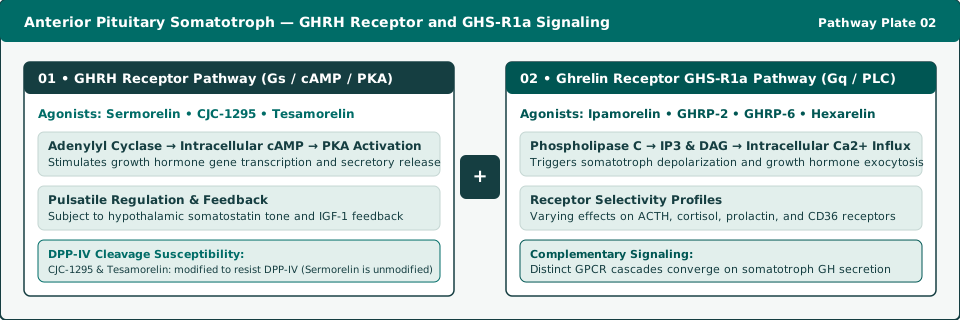
Tesamorelin acts as a selective agonist of the GHRH receptor (GHRH-R), a G protein-coupled receptor (GPCR) of the secretin receptor family expressed predominantly on somatotroph cells in the anterior pituitary gland. Receptor binding initiates coupling to stimulatory G proteins (Gs), activating adenylyl cyclase and elevating intracellular cyclic AMP (cAMP) concentrations. Increased cAMP activates protein kinase A (PKA), which phosphorylates transcription factors regulating GH gene expression and triggers calcium mobilization leading to GH secretion from stored vesicles [5]. This mechanism preserves the pulsatile pattern of GH release characteristic of endogenous GHRH signaling, distinguishing tesamorelin from continuous GH replacement therapy.
2.2 Effects on Growth Hormone Secretion
Tesamorelin administration stimulates robust GH secretion from pituitary somatotrophs, with peak GH levels typically occurring 2-4 hours post-administration. The magnitude of GH response demonstrates dose-dependency within the therapeutic range, with higher tesamorelin doses eliciting proportionally greater GH secretion up to a saturation point. Importantly, tesamorelin preserves the negative feedback regulation of the GH axis mediated by GH itself and IGF-1, maintaining homeostatic control mechanisms [6]. This preservation of physiological regulation represents a key advantage over exogenous GH administration, which bypasses hypothalamic-pituitary feedback loops.
The pulsatile GH secretion pattern induced by tesamorelin more closely mimics physiological GH dynamics compared to continuous GH exposure from subcutaneous GH injections. This distinction carries potential metabolic implications, as pulsatile versus continuous GH exposure differentially affects insulin sensitivity, lipolysis, and anabolic processes. Chronic tesamorelin administration maintains GH responsiveness without apparent desensitization of GHRH receptors, contrasting with tachyphylaxis observed with some GPCR agonists, though modest attenuation of GH response may occur with prolonged treatment.
2.3 IGF-1 and Downstream Metabolic Effects
GH stimulated by tesamorelin exerts multiple metabolic effects, both directly and through hepatic production of insulin-like growth factor-1 (IGF-1). GH binding to GH receptors on hepatocytes activates JAK-STAT signaling pathways, inducing IGF-1 gene transcription and secretion. Circulating IGF-1 mediates many of GH's growth-promoting and anabolic effects while participating in feedback regulation of the GH axis. The GH-IGF-1 axis influences multiple aspects of metabolism relevant to adipose tissue regulation and body composition.
The lipolytic effects of GH represent a central mechanism underlying tesamorelin's therapeutic efficacy in reducing visceral adiposity. GH promotes lipolysis in adipocytes through multiple mechanisms including activation of hormone-sensitive lipase (HSL), the rate-limiting enzyme in triglyceride hydrolysis, and promotion of fatty acid oxidation. GH also inhibits lipoprotein lipase (LPL) in adipose tissue, reducing triglyceride uptake and storage [7]. These effects preferentially target visceral adipose tissue, which exhibits greater sensitivity to GH's lipolytic actions compared to subcutaneous adipose depots, explaining tesamorelin's selective reduction of abdominal fat.
Beyond direct metabolic effects, the GH-IGF-1 axis influences glucose and protein metabolism, cardiovascular function, and bone remodeling. GH exhibits both insulin-like (acute) and anti-insulin (chronic) effects on glucose metabolism, a complexity requiring careful monitoring in therapeutic applications. The anabolic effects on protein metabolism and lean tissue preservation represent potential benefits, particularly in populations experiencing muscle wasting. Understanding these broader metabolic implications of GH-IGF-1 axis modulation informs clinical management and monitoring strategies.
3. Pharmacokinetics and Pharmacodynamics
Comprehensive understanding of tesamorelin's pharmacokinetic and pharmacodynamic properties provides essential context for clinical application, dose evaluation, and interpretation of therapeutic outcomes.
3.1 Absorption and Distribution
Tesamorelin's subcutaneous pharmacokinetics have been characterized. Following subcutaneous administration, absorption proceeds through local capillary networks, with peak plasma concentrations (Cmax) occurring approximately 0.15 hours (9 minutes) post-injection, indicating rapid absorption. The absolute bioavailability of subcutaneous tesamorelin approximates 4-5%, reflecting extensive first-pass metabolism and proteolytic degradation, typical for peptide therapeutics [8].
Despite modest systemic bioavailability, tesamorelin achieves sufficient concentrations to stimulate pituitary GHRH receptors and elicit robust GH secretion. The volume of distribution is relatively limited, consistent with predominantly extravascular distribution and minimal tissue penetration beyond the immediate site of action. Plasma protein binding data indicate moderate binding to plasma proteins, with a significant free fraction available for receptor interaction. Pharmacokinetic parameters demonstrate low inter-individual variability in absorption and distribution characteristics across evaluated patient populations.
3.2 Metabolism and Elimination
Tesamorelin undergoes rapid metabolism following systemic absorption, with an elimination half-life of approximately 26-38 minutes in healthy subjects and HIV-infected patients. The primary metabolic pathway involves proteolytic cleavage by peptidases and proteases present in plasma and tissues. The trans-3-hexenoyl modification provides enhanced stability compared to native GHRH but does not completely prevent enzymatic degradation. Metabolites are presumed to be biologically inactive, with clearance occurring through renal filtration and hepatic metabolism of degradation products.
Because GH-stimulating activity declines rapidly after each administration, pharmacodynamic effects dissipate relatively quickly upon treatment discontinuation. Population pharmacokinetic analyses have evaluated effects of demographic factors, renal function, hepatic function, and concomitant medications on tesamorelin disposition, generally revealing minimal clinically significant interactions, though caution is noted in severe renal or hepatic impairment.
3.3 Pharmacodynamic Relationships
The pharmacodynamic effects of tesamorelin manifest as increased GH secretion, elevated IGF-1 levels, and downstream metabolic changes. GH levels peak 2-4 hours post-dose and return toward baseline within 8-12 hours, reflecting the stimulated pulsatile secretion pattern. IGF-1 levels increase more gradually, reaching steady-state elevations after approximately 1-2 weeks of daily tesamorelin administration in clinical studies. The magnitude of IGF-1 elevation correlates with tesamorelin exposure and individual GH responsiveness [9].
The pharmacodynamic effects on visceral adipose tissue reduction occur over extended timeframes, with measurable decreases typically evident after 12-26 weeks of treatment in controlled trials. This delayed response reflects the time required for sustained lipolysis to meaningfully reduce adipose tissue mass. The relationship between IGF-1 elevation and VAT reduction demonstrates correlation but with substantial inter-individual variability, suggesting that factors beyond simple IGF-1 levels influence therapeutic response. Identification of predictive biomarkers for treatment response remains an area of active investigation.
4. Clinical Development and Pivotal Trials
The clinical development program for tesamorelin encompassed multiple phase studies evaluating safety, efficacy, dose response, and long-term outcomes in HIV-infected patients with lipodystrophy. Two pivotal phase 3 trials, designated LIPODYSTROPHY-1 and LIPODYSTROPHY-2, provided the primary efficacy and safety data supporting regulatory approval.
4.1 Phase 2 Dose-Finding Studies
Initial phase 2 studies evaluated multiple tesamorelin doses (0.5 mg, 1 mg, and 2 mg daily) in HIV-infected patients with abdominal obesity and evidence of lipodystrophy [10]. These studies employed computed tomography (CT) imaging to quantify visceral and subcutaneous adipose tissue, providing objective assessment of fat distribution changes. Results demonstrated dose-dependent reductions in VAT, with 2 mg daily achieving optimal balance between efficacy and tolerability in the study population [10]. Lower doses showed attenuated VAT reduction, while higher doses did not provide additional benefit and increased adverse effect frequency. These findings informed phase 3 development.
4.2 LIPODYSTROPHY-1 and LIPODYSTROPHY-2 Trials
The LIPODYSTROPHY-1 and LIPODYSTROPHY-2 trials were identically designed, randomized, double-blind, placebo-controlled studies conducted at multiple centers across North America. Both trials enrolled HIV-infected adults with stable antiretroviral therapy and excess visceral adipose tissue (VAT greater than 100 cm2 by CT imaging at L4-L5 vertebral level). Participants were randomized 2:1 to receive tesamorelin or placebo in these trials.
The primary efficacy endpoint was the percentage change in VAT from baseline to week 26, assessed by single-slice CT imaging at the L4-L5 level. Secondary endpoints included absolute VAT change, changes in visceral-to-subcutaneous adipose tissue ratio (V/S ratio), anthropometric measurements (waist circumference, waist-to-hip ratio), patient-reported outcomes, and metabolic parameters including lipid profiles and glucose metabolism markers. Safety assessments included adverse event monitoring, laboratory evaluations, and specific attention to glucose homeostasis given known effects of GH on insulin sensitivity.
4.3 Primary Efficacy Results
The primary efficacy results from both pivotal trials demonstrated statistically significant and clinically meaningful reductions in VAT with tesamorelin compared to placebo. In LIPODYSTROPHY-1, tesamorelin-treated patients experienced a mean relative reduction in VAT of 15.2% compared to 0.8% reduction with placebo (treatment difference -14.4%, p less than 0.0001). LIPODYSTROPHY-2 showed similar results with 17.9% reduction in the tesamorelin group versus 3.8% increase in the placebo group (treatment difference -21.7%, p less than 0.0001) [11]. These consistent findings across independent trial populations provided robust evidence of therapeutic efficacy.
The absolute reductions in VAT averaged approximately 20-25 cm2 in tesamorelin-treated patients, representing clinically significant decreases given the association between VAT and metabolic risk. Importantly, tesamorelin did not significantly alter subcutaneous adipose tissue, resulting in improved V/S ratios that reflect more favorable fat distribution. Approximately 30-35% of tesamorelin-treated patients achieved at least 20% reduction in VAT, compared to 10-15% of placebo patients, demonstrating that substantial proportions of patients experienced clinically meaningful responses.
4.4 Secondary Endpoints and Metabolic Effects
Secondary efficacy analyses revealed improvements in anthropometric measures correlating with VAT reduction. Waist circumference decreased significantly in tesamorelin-treated patients, with mean reductions of 2-3 cm compared to minimal changes with placebo. These changes, while modest, were accompanied by patient-reported improvements in abdominal appearance and physical functioning. Quality of life assessments using HIV-specific instruments showed improvements in treatment satisfaction and concerns about body appearance, outcomes of substantial importance to patient well-being and treatment adherence [12].
Lipid profile changes were variable, with some studies showing modest triglyceride reductions and others showing neutral effects or slight increases in total cholesterol and LDL-cholesterol. These mixed lipid effects likely reflect the complex interplay between reduced visceral adiposity (typically associated with improved lipid profiles) and direct GH effects on lipid metabolism. HDL-cholesterol generally remained stable or showed slight increases. The clinical significance of these lipid changes in the context of overall cardiovascular risk reduction requires long-term outcome studies that remain limited.
Glucose metabolism effects represented a critical area of evaluation given GH's known diabetogenic potential. IGF-1 levels increased predictably with tesamorelin treatment, confirming pharmacodynamic activity. Fasting glucose levels showed modest increases in tesamorelin-treated patients, averaging 3-5 mg/dL elevations. HbA1c changes were generally minimal, though subgroup analyses revealed greater glucose elevations in patients with pre-existing glucose intolerance. The incidence of new-onset diabetes or progression from pre-diabetes to diabetes was numerically higher with tesamorelin, necessitating careful glucose monitoring during treatment. These findings led to inclusion of glucose monitoring requirements in prescribing information and contraindications in patients with active diabetes.
5. Long-Term Efficacy and Treatment Continuation
Understanding the durability of tesamorelin's effects and outcomes with long-term treatment addresses critical questions about sustained therapeutic benefit and the dynamics of continuous versus interrupted treatment in clinical studies.
5.1 Extension Phase Data
The 26-week extension phase of the pivotal trials provided data on maintenance of therapeutic effect with continued treatment. Patients originally randomized to tesamorelin who continued treatment generally maintained VAT reductions achieved during the initial 26 weeks, with some additional modest decreases. This maintenance of effect without apparent tachyphylaxis supports the feasibility of sustained treatment. Patients originally on placebo who crossed over to tesamorelin during the extension phase demonstrated VAT reductions similar to those observed in the initial tesamorelin group, confirming reproducibility of therapeutic response [13].
Long-term follow-up data extending beyond one year, while more limited, generally support sustained VAT reduction with continued tesamorelin treatment. However, the magnitude of VAT reduction appears to plateau after the initial 6-12 months, suggesting achievement of a new steady state in adipose tissue metabolism rather than progressive fat loss. Individual patient variability in long-term response underscores the importance of periodic assessment to identify non-responders or those experiencing attenuation of effect.
5.2 Treatment Interruption and Rebound
A critical question addressed in the clinical development program concerned the reversibility of tesamorelin's effects upon treatment discontinuation. Treatment interruption studies demonstrated that VAT increases following tesamorelin cessation, with rebound toward pre-treatment levels occurring over several months. Within 26 weeks of stopping tesamorelin, much of the VAT reduction achieved during treatment was lost, though some residual benefit persisted [14]. This finding indicates that tesamorelin's effects require ongoing receptor stimulation for maintenance rather than inducing permanent metabolic reprogramming.
The rebound in VAT following discontinuation raised questions about long-term treatment strategies and the balance between sustained benefit and cumulative exposure risks. The psychological and metabolic impact of VAT rebound also warrants consideration, as patients in discontinuation arms experienced loss of achieved improvements and recurrence of metabolic risk factors. These observations inform clinical discussions about initiating and continuing GHRH analog therapy.
6. Safety Profile and Adverse Effects
Comprehensive safety evaluation across clinical trials and post-marketing experience has established tesamorelin's safety profile and identified specific risks requiring monitoring and management.
6.1 Common Adverse Effects
The most frequently reported adverse effects in clinical trials were injection site reactions including erythema, pruritus, pain, irritation, and swelling. These reactions occurred in approximately 20-30% of tesamorelin-treated patients compared to 10-15% of placebo patients, typically mild to moderate in severity and resolving with continued treatment or simple management strategies. Systemic adverse effects occurring more frequently with tesamorelin than placebo included arthralgias (affecting approximately 10-15% of patients), peripheral edema (approximately 8-10% of patients), and paresthesias [15].
These adverse effects align with known pharmacological effects of GH elevation and are generally manageable with conservative measures. Arthralgias, when occurring, typically manifest within the first few weeks of treatment and often resolve with continued administration. Peripheral edema, when present, is usually mild and localized to lower extremities. The relationship between adverse effect occurrence and IGF-1 elevation suggests that patients with particularly robust GH responses may experience higher rates of these effects, though prospective dose adjustment based on IGF-1 levels has not been systematically studied.
6.2 Glucose Metabolism and Diabetes Risk
Tesamorelin's effects on glucose homeostasis represent the most clinically significant safety concern requiring active management. As discussed previously, modest elevations in fasting glucose occur with treatment, and the risk of progression to diabetes or worsening of pre-existing glucose intolerance necessitates careful patient selection and monitoring. The prescribing information includes specific recommendations for baseline glucose assessment, including fasting glucose and HbA1c measurement, with periodic monitoring during treatment [16].
Tesamorelin is contraindicated in patients with active malignancy, due to theoretical concerns about GH-IGF-1 axis stimulation promoting tumor growth, and in patients with diabetic retinopathy or other active diabetes complications. The benefit-risk assessment in patients with well-controlled diabetes without complications requires individualized evaluation, weighing potential metabolic benefits of VAT reduction against glucose elevation risks.
6.3 Theoretical Risks and Long-Term Safety
Theoretical concerns about long-term GH-IGF-1 axis stimulation include potential effects on neoplasia risk, cardiovascular outcomes, and acromegaly-like complications. The elevation in IGF-1 induced by tesamorelin raises questions about cancer risk, as the GH-IGF-1 axis has been implicated in tumor biology. However, tesamorelin increases IGF-1 to high-normal or modestly elevated levels rather than the marked elevations seen in acromegaly. Post-marketing surveillance and long-term registry data have not identified signals suggesting increased malignancy risk, though continued vigilance is warranted [17].
Cardiovascular outcomes represent another area of theoretical concern and potential benefit. VAT reduction typically associates with improved metabolic risk profiles, potentially benefiting cardiovascular health. However, GH effects on cardiac structure and function, combined with effects on lipid and glucose metabolism, create complex cardiovascular implications. Long-term cardiovascular outcome trials with tesamorelin have not been conducted, representing a knowledge gap in the long-term safety assessment. The development of acromegaly-like features with tesamorelin is not expected at studied doses, as IGF-1 elevations remain substantially below those in acromegalic patients. Understanding of broader GH therapy safety considerations informs these assessments.
7. Regulatory Approval and Prescribing Considerations
Tesamorelin received approval from the U.S. Food and Drug Administration (FDA) in November 2010 under the trade name Egrifta, specifically indicated for the reduction of excess abdominal fat in HIV-infected patients with lipodystrophy. This approval marked the first and, to date, only FDA-approved therapy specifically targeting HIV-associated visceral adiposity. Tesamorelin has also received approval in Canada and certain other jurisdictions, though availability varies internationally.
7.1 Approved Indication and Patient Selection
The FDA-approved indication specifies use in HIV-infected adult patients with lipodystrophy who have excess abdominal fat. The prescribing information notes the VAT threshold greater than or equal to 100 cm2 by CT imaging used in pivotal trials, while clinical assessment of abdominal adiposity is utilized in routine clinical evaluation.
Patient selection incorporates assessment of contraindications including active malignancy, hypersensitivity to tesamorelin or any formulation components, pregnancy, and disruption of the hypothalamic-pituitary axis due to hypophysectomy, hypopituitarism, pituitary tumor, or pituitary surgery or head irradiation. Careful consideration is warranted in patients with diabetes mellitus, as discussed in safety sections. Age-related considerations include limited data in patients over 65 years, and tesamorelin is not approved for pediatric use due to absence of safety and efficacy data in children.
7.2 Clinical Trial Monitoring Protocols
The pivotal tesamorelin trials evaluated visceral adipose tissue changes and metabolic safety outcomes.
7.3 Cost and Access Considerations
Tesamorelin represents a high-cost specialty pharmaceutical, with annual treatment costs ranging from $30,000 to $50,000 or more depending on formulation, pharmacy charges, and insurance coverage. These costs create significant access barriers and necessitate prior authorization from most insurance plans. Coverage decisions typically require documentation of HIV status, evidence of lipodystrophy with excess abdominal fat, and failure or contraindication to conservative measures including dietary modification and exercise. Some insurers mandate baseline CT imaging documenting elevated VAT, adding to upfront costs.
Cost-effectiveness analyses have reached varied conclusions depending on assumptions about quality of life improvements, cardiovascular risk reduction, and long-term outcomes, generally suggesting that tesamorelin is cost-effective in appropriately selected patients but may not meet willingness-to-pay thresholds in all healthcare systems.
8. Mechanisms of Visceral Fat Reduction
Understanding the mechanistic basis for tesamorelin's selective reduction of visceral adipose tissue illuminates both its therapeutic effects and potential applications in other conditions characterized by pathological VAT accumulation.
8.1 Differential Adipose Depot Sensitivity
The preferential reduction of visceral versus subcutaneous adipose tissue with tesamorelin reflects fundamental biological differences between these fat depots. Visceral adipocytes exhibit greater sensitivity to lipolytic stimuli, including catecholamines and growth hormone, compared to subcutaneous adipocytes. This differential sensitivity derives from multiple factors including higher expression of beta-adrenergic receptors, greater hormone-sensitive lipase activity, enhanced blood flow and innervation, and lower expression of alpha-2 adrenergic receptors that inhibit lipolysis [18].
GH's lipolytic effects target visceral adipocytes preferentially due to both receptor expression patterns and the metabolic characteristics of these cells. Visceral adipocytes also exhibit different insulin sensitivity, inflammatory mediator secretion, and free fatty acid release patterns compared to subcutaneous fat. The reduction in visceral adiposity induced by tesamorelin likely reflects sustained lipolysis in these depots exceeding adipogenesis and lipid storage, shifting the balance toward net fat reduction. The maintenance of subcutaneous fat, which serves important metabolic buffering functions, represents a favorable outcome pattern, as selective loss of protective subcutaneous fat can worsen metabolic complications.
8.2 Metabolic Consequences of VAT Reduction
The metabolic implications of visceral adipose tissue reduction extend beyond simple cosmetic improvements. Excess VAT strongly associates with insulin resistance, dyslipidemia, pro-inflammatory cytokine production, and cardiovascular risk through multiple mechanisms. Visceral adipocytes release free fatty acids directly into the portal circulation, exposing the liver to high fatty acid concentrations that promote hepatic insulin resistance, very-low-density lipoprotein (VLDL) synthesis, and hepatic steatosis. VAT also functions as an active endocrine organ, secreting adipokines including resistin, retinol-binding protein 4, and pro-inflammatory cytokines that systemically impair insulin sensitivity and promote metabolic dysfunction [19].
Reduction in VAT through tesamorelin treatment would be expected to improve these metabolic parameters, and some clinical evidence supports such benefits. However, the concurrent GH-mediated effects on glucose metabolism and insulin resistance partially offset the metabolic benefits of VAT reduction, explaining the complex and sometimes contradictory metabolic findings in clinical trials. The net metabolic impact likely depends on the balance between beneficial VAT reduction and potentially adverse GH effects, with individual variability in both components contributing to the heterogeneous metabolic outcomes observed across patients. Research into somatotropic adipose tissue metabolism continues to elucidate these complex relationships.
9. Comparison with Alternative Interventions
Contextualizing tesamorelin's efficacy and safety profile requires comparison with alternative approaches to managing HIV-associated lipodystrophy, both pharmacological and non-pharmacological.
9.1 Growth Hormone versus Tesamorelin
Direct comparison studies between recombinant human growth hormone (rhGH) and tesamorelin have evaluated relative efficacy and tolerability. Both interventions reduce VAT in HIV patients with lipodystrophy, though study designs and patient populations vary, complicating direct comparisons. RhGH typically demonstrates greater magnitude of VAT reduction, likely reflecting higher and more sustained GH exposure. However, rhGH also produces more frequent and severe adverse effects including hyperglycemia, insulin resistance, new-onset diabetes, arthralgias, and edema [20].
The key distinction lies in pharmacodynamic patterns: rhGH provides continuous GH exposure, while tesamorelin stimulates pulsatile endogenous secretion with preservation of physiological feedback regulation. This difference appears to confer tolerability advantages to tesamorelin while maintaining clinically meaningful efficacy. Cost comparisons favor tesamorelin in some analyses due to lower adverse effect management costs offsetting higher drug acquisition costs, though direct comparisons are limited. RhGH is not FDA-approved for HIV lipodystrophy, limiting insurance coverage for this indication, whereas tesamorelin's specific approval facilitates access for appropriate patients.
9.2 Antiretroviral Switching Strategies
Given the contribution of certain antiretroviral agents, particularly older protease inhibitors and thymidine analog NRTIs, to lipodystrophy development, switching to regimens with lower metabolic toxicity represents an alternative approach. Studies evaluating switches from stavudine or zidovudine to abacavir or tenofovir, or from older protease inhibitors to integrase inhibitors or newer protease inhibitors, have shown variable effects on lipodystrophy. Some trials demonstrate modest improvements in subcutaneous lipoatrophy but minimal impact on established visceral fat accumulation [21].
The limited efficacy of switching strategies in reversing established VAT accumulation reflects the fact that once deposited, visceral adiposity tends to persist even after removal of the inciting agent. Switching may prevent progression or benefit patients with recent lipodystrophy onset but appears insufficient for established cases with significant VAT excess. Combination approaches incorporating antiretroviral optimization plus tesamorelin might provide additive benefits, though systematic evaluation of such strategies is limited.
9.3 Lifestyle Interventions
Diet and exercise represent foundational approaches to managing excess adiposity in all populations, including HIV patients with lipodystrophy. Controlled trials of structured exercise programs, particularly those emphasizing aerobic and resistance training, have demonstrated modest improvements in body composition including small VAT reductions. Dietary interventions focusing on caloric restriction and improved macronutrient balance similarly provide modest benefits. However, the magnitude of VAT reduction achieved through lifestyle interventions alone typically falls short of that seen with tesamorelin, and long-term adherence to intensive lifestyle programs remains challenging [22].
Despite these limitations, lifestyle interventions provide benefits beyond body composition including cardiovascular fitness, muscle strength, metabolic health, and quality of life improvements. The combination of lifestyle modification plus tesamorelin may provide synergistic benefits exceeding either approach alone, and lifestyle optimization is studied as complementary to rather than replaced by pharmacological intervention. The absence of significant safety risks from appropriate lifestyle interventions contrasts with the monitoring requirements and potential adverse effects of pharmacotherapy.
10. Emerging Applications Beyond HIV Lipodystrophy
While tesamorelin's approved indication focuses specifically on HIV-associated lipodystrophy, the peptide's mechanism of action suggests potential applicability to other conditions characterized by pathological visceral adiposity and metabolic dysfunction.
10.1 Metabolic Syndrome and Central Obesity
The metabolic syndrome, characterized by central obesity, insulin resistance, dyslipidemia, and hypertension, affects substantial proportions of populations in industrialized nations. Given the central role of visceral adiposity in metabolic syndrome pathophysiology and tesamorelin's demonstrated VAT reduction capabilities, interest exists in potential applications beyond HIV populations. Proof-of-concept studies in non-HIV individuals with metabolic syndrome have demonstrated that tesamorelin can reduce VAT and improve some metabolic parameters, though glucose metabolism effects remain concerning [23].
The development pathway for tesamorelin in metabolic syndrome populations would require demonstration that clinical benefits of VAT reduction outweigh the risks, particularly regarding glucose metabolism. Selection of patient populations with preserved glucose tolerance or those in whom VAT reduction might provide particularly meaningful benefits could optimize benefit-risk ratios. Combination with agents that improve insulin sensitivity, such as metformin or GLP-1 receptor agonists, might mitigate glucose effects while preserving or enhancing metabolic benefits, though such combinations require systematic evaluation.
10.2 Non-Alcoholic Fatty Liver Disease
Non-alcoholic fatty liver disease (NAFLD) and its progressive form, non-alcoholic steatohepatitis (NASH), represent increasingly prevalent conditions characterized by hepatic fat accumulation and closely associated with visceral adiposity. Preclinical and early clinical evidence suggests that tesamorelin may reduce hepatic fat content in addition to VAT, potentially through mechanisms including reduced portal free fatty acid delivery, direct hepatic effects of GH, and improved hepatic insulin sensitivity following VAT reduction. Pilot studies in HIV patients with concurrent fatty liver disease have shown encouraging hepatic fat reductions with tesamorelin treatment [24].
The potential application of tesamorelin in NAFLD/NASH populations represents an active area of investigation, with ongoing clinical trials evaluating efficacy, optimal dosing, and patient selection strategies. The challenge lies in achieving meaningful hepatic improvements while managing glucose metabolism effects that could theoretically worsen metabolic factors contributing to liver disease. If proven safe and effective, tesamorelin could address an indication with substantial unmet need and limited approved pharmacological options. Related research on GHRH analog metabolic pathways provides broader context for such developments.
10.3 Cardiovascular Risk Reduction
Visceral adiposity represents an independent cardiovascular risk factor, and interventions reducing VAT might provide cardiovascular benefits through improved metabolic profiles, reduced inflammation, and favorable effects on endothelial function and arterial stiffness. Some studies have evaluated cardiovascular surrogate markers including carotid intima-media thickness, endothelial function assessed by flow-mediated dilation, and arterial stiffness measurements in tesamorelin-treated patients. Results have been mixed, with some studies showing improvements and others showing neutral effects [25].
Definitive assessment of cardiovascular benefits would require long-term cardiovascular outcome trials evaluating clinical endpoints including myocardial infarction, stroke, and cardiovascular death. Such trials present substantial logistical and financial challenges and have not been conducted for tesamorelin. The complex effects on metabolic parameters including glucose and lipids create uncertainty about net cardiovascular impact, emphasizing the need for outcome data beyond surrogate markers. If cardiovascular benefits could be demonstrated, this would substantially expand tesamorelin's therapeutic value proposition beyond cosmetic and quality of life improvements.
11. Future Research Directions and Unanswered Questions
Despite substantial clinical development and accumulated experience with tesamorelin, numerous questions remain regarding optimal utilization, patient selection, combination strategies, and potential new applications.
11.1 Predictive Biomarkers and Personalized Treatment
Significant inter-individual variability characterizes tesamorelin response, with some patients achieving dramatic VAT reductions while others show minimal benefit. Identification of baseline characteristics or biomarkers predicting treatment response would enable more targeted therapy and improve benefit-risk ratios. Candidate predictive factors might include baseline IGF-1 levels, GH secretory capacity, inflammatory markers, adipokine profiles, or genetic variants affecting GH signaling or adipose tissue metabolism. Systematic investigation of these potential predictors could enable development of treatment algorithms guiding patient selection.
Pharmacogenomic approaches examining genetic variants in GHRH receptors, GH receptors, or downstream signaling components might reveal susceptibility alleles associated with enhanced or attenuated response. Such findings could inform personalized dosing strategies or identify patients unlikely to benefit from treatment. Integration of clinical, laboratory, and genetic data through machine learning approaches might identify complex predictive signatures not apparent from univariate analyses. These precision medicine approaches represent important directions for future investigation.
11.2 Combination Therapy Strategies
Evaluation of tesamorelin in combination with other therapeutic agents targeting complementary pathways could enhance efficacy or mitigate adverse effects. Combinations with insulin sensitizers such as metformin or thiazolidinediones might counteract glucose metabolism effects while maintaining or enhancing VAT reduction. Combination with GLP-1 receptor agonists, which promote weight loss and improve glucose control, represents another rational strategy deserving systematic investigation. Preclinical evidence suggests potential synergies, but clinical evaluation is needed [26].
Combination with lipid-modifying agents could address the mixed lipid effects observed with tesamorelin monotherapy, potentially optimizing overall metabolic profiles. Integration with lifestyle interventions through structured diet and exercise programs might provide additive benefits while potentially allowing lower tesamorelin doses with reduced adverse effect burden. Systematic evaluation of these combination approaches through well-designed clinical trials would substantially advance the therapeutic optimization of GHRH analog therapy.
11.3 Novel GHRH Analogs and Delivery Systems
Medicinal chemistry efforts continue to develop novel GHRH analogs with enhanced properties including longer half-lives enabling less frequent dosing, improved selectivity profiles, or modified pharmacodynamic characteristics. Extended-release formulations and sustained-delivery systems remain areas of formulation research. Oral or intranasal delivery systems, if bioavailability challenges can be overcome, would represent major advances in patient acceptability.
Alternatively, GHRH analogs with modified receptor selectivity or downstream signaling profiles might dissociate beneficial metabolic effects from adverse effects on glucose metabolism. Structure-activity relationship studies and screening approaches could identify such selective analogs. The development of combination peptides linking GHRH analogs with other bioactive sequences represents another innovative approach, potentially providing multi-modal effects within a single molecule. These medicinal chemistry directions require substantial preclinical and early clinical development but could yield improved therapeutic options.
12. Conclusion
Tesamorelin represents a significant therapeutic advancement for HIV-infected patients suffering from lipodystrophy-associated excess visceral adiposity. As a synthetic analog of growth hormone-releasing hormone, tesamorelin stimulates physiological pulsatile GH secretion, which subsequently reduces visceral adipose tissue through sustained lipolytic effects. Pivotal clinical trials have demonstrated clinically meaningful and statistically significant VAT reductions, with improvements in anthropometric measures and patient-reported outcomes. The safety profile appears acceptable for appropriately selected patients, though effects on glucose metabolism require careful monitoring and inform patient selection criteria.
The development of tesamorelin from molecular design through clinical validation to regulatory approval exemplifies successful translation of endocrinological principles into therapeutic application. The peptide's approval for a specific indication in a defined patient population reflects the rigorous evidence requirements for novel therapeutics while opening possibilities for expanded applications. The metabolic complexities introduced by GH-IGF-1 axis stimulation, particularly regarding glucose homeostasis, underscore the nuanced benefit-risk assessments required in metabolic disease management.
Looking forward, tesamorelin's future role extends beyond current approved indications to potential applications in metabolic syndrome, non-alcoholic fatty liver disease, and cardiovascular risk reduction. Realizing these possibilities requires systematic clinical investigation addressing efficacy, safety, patient selection, and long-term outcomes in diverse populations. The development of predictive biomarkers enabling personalized treatment approaches and evaluation of rational combination strategies could optimize therapeutic utility while minimizing risks.
The broader scientific significance of tesamorelin research lies in advancing understanding of growth hormone physiology, adipose tissue regulation, and the complex interplay between HIV infection, antiretroviral therapy, and metabolic complications. The peptide serves as a tool for probing these biological questions while providing tangible clinical benefits to patients experiencing significant burden from lipodystrophic changes. Continued investigation of GHRH analogs, informed by accumulated clinical experience with tesamorelin, is expected to yield additional therapeutic options with enhanced properties.
For clinicians managing HIV-infected patients with lipodystrophy, tesamorelin provides an evidence-based option for addressing excess visceral adiposity when conservative measures prove insufficient and when careful patient selection identifies individuals with favorable benefit-risk profiles. For researchers, tesamorelin exemplifies both the opportunities and challenges inherent in targeting the GH-IGF-1 axis for metabolic disease management. The coming years will determine whether tesamorelin's therapeutic applications expand beyond its current niche or remain focused on the HIV lipodystrophy population for which it was specifically developed and approved.
References
- Carr A, Samaras K, Burton S, et al. A syndrome of peripheral lipodystrophy, hyperlipidaemia and insulin resistance in patients receiving HIV protease inhibitors. AIDS. 1998;12(7):F51-58. PubMed
- Grunfeld C, Thompson M, Brown SJ, et al. Recombinant human growth hormone to treat HIV-associated adipose redistribution syndrome: 12 week induction and 24-week maintenance therapy. Journal of Acquired Immune Deficiency Syndromes. 2007;45(3):286-297. PubMed
- Koutkia P, Meininger G, Canavan B, et al. Metabolic regulation of growth hormone by free fatty acids, somatostatin, and ghrelin in HIV-lipodystrophy. American Journal of Physiology-Endocrinology and Metabolism. 2005;288(2):E296-E300. PubMed
- Jetté L, Léger R, Thibaudeau K, et al. Human growth hormone-releasing factor (hGRF)1-29-albumin bioconjugates activate the GRF receptor on the anterior pituitary in rats: identification of CJC-1295 as a long-lasting GRF analog. Endocrinology. 2005;146(7):3179-3186. PubMed
- Mayo KE, Miller TL, DeAlmeida V, et al. Regulation of the pituitary somatotroph cell by GHRH and its receptor. Recent Progress in Hormone Research. 2000;55:237-266. PubMed
- Stanley TL, Grinspoon SK. GH/GHRH axis in HIV lipodystrophy. Pituitary. 2009;12(2):143-152. PubMed
- Richelsen B. Action of growth hormone in adipose tissue. Hormone Research. 1997;48 Suppl 5:105-110. PubMed
- Falutz J, Allas S, Mamputu JC, et al. Long-acting growth hormone-releasing factor (GRF) analog (tesamorelin) normalizes serum IGF-I and reduces excess abdominal fat in HIV-infected patients with lipodystrophy. Growth Hormone & IGF Research. 2005;15(Suppl A):S49. DOI:10.1016/j.ghir.2005.06.019
- Stanley TL, Falutz J, Marsolais C, et al. Reduction in visceral adiposity is associated with an improved metabolic profile in HIV-infected patients receiving tesamorelin. Clinical Infectious Diseases. 2012;54(11):1642-1651. PubMed
- Falutz J, Allas S, Blot K, et al. Metabolic effects of a growth hormone-releasing factor in patients with HIV. New England Journal of Medicine. 2007;357(23):2359-2370. PubMed
- Falutz J, Allas S, Kotler D, et al. A placebo-controlled, dose-ranging study of a growth hormone releasing factor in HIV-infected patients with abdominal fat accumulation. AIDS. 2005;19(12):1279-1287. PubMed
- Guaraldi G, Stentarelli C, Zona S, et al. The natural history of HIV-associated lipodystrophy in the changing scenario of HIV infection. HIV Medicine. 2014;15(10):587-594. PubMed
- Falutz J, Mamputu JC, Potvin D, et al. Effects of tesamorelin (TH9507), a growth hormone-releasing factor analog, in human immunodeficiency virus-infected patients with excess abdominal fat: a pooled analysis of two multicenter, double-blind placebo-controlled phase 3 trials with safety extension data. Journal of Clinical Endocrinology and Metabolism. 2010;95(9):4291-4304. PubMed
- Falutz J, Potvin D, Mamputu JC, et al. Effects of tesamorelin, a growth hormone-releasing factor, in HIV-infected patients with abdominal fat accumulation: a randomized placebo-controlled trial with a safety extension. Journal of Acquired Immune Deficiency Syndromes. 2010;53(3):311-322. PubMed
- Luzi L, Perseghin G, Tambussi G, et al. Intramyocellular lipid accumulation and reduced whole body lipid oxidation in HIV lipodystrophy. American Journal of Physiology-Endocrinology and Metabolism. 2003;284(2):E274-E280. PubMed
- Fitch K, Anderson EJ, Hubbard JL, et al. Effects of a lifestyle modification program in HIV-infected patients with the metabolic syndrome. AIDS. 2006;20(14):1843-1850. PubMed
- Stanley TL, Feldpausch MN, Oh J, et al. Effect of tesamorelin on visceral fat and liver fat in HIV-infected patients with abdominal fat accumulation: a randomized clinical trial. JAMA. 2014;312(4):380-389. PubMed
- Després JP, Lemieux I. Abdominal obesity and metabolic syndrome. Nature. 2006;444(7121):881-887. PubMed
- Fontana L, Eagon JC, Trujillo ME, et al. Visceral fat adipokine secretion is associated with systemic inflammation in obese humans. Diabetes. 2007;56(4):1010-1013. PubMed
- Lo J, You SM, Canavan B, et al. Low-dose physiological growth hormone in patients with HIV and abdominal fat accumulation: a randomized controlled trial. JAMA. 2008;300(5):509-519. PubMed
- McComsey GA, Kitch D, Daar ES, et al. Inflammation markers after randomization to abacavir/lamivudine or tenofovir/emtricitabine with efavirenz or atazanavir/ritonavir. AIDS. 2012;26(11):1371-1385. PubMed
- Thöni GJ, Fedou C, Brun JF, et al. Reduction of fat accumulation and lipid disorders by individualized light aerobic training in human immunodeficiency virus infected patients with lipodystrophy and/or dyslipidemia. Diabetes & Metabolism. 2002;28(5):397-404. PubMed
- Makimura H, Stanley T, Mun D, et al. The effects of central adiposity on growth hormone (GH) response to GH-releasing hormone-arginine stimulation testing in men. Journal of Clinical Endocrinology and Metabolism. 2008;93(11):4254-4260. PubMed
- Stanley TL, Feldpausch MN, Oh J, et al. Effect of tesamorelin on visceral fat and liver fat in HIV-infected patients with abdominal fat accumulation: a randomized clinical trial. JAMA. 2014;312(4):380-389. PubMed
- Falutz J, Garber AJ, Zhang R, et al. Changes in regional adipose tissue distribution, insulin sensitivity and plasma lipids after tesamorelin treatment in HIV-infected patients with abdominal fat accumulation. Journal of Clinical Endocrinology and Metabolism. 2011;96(7):2160-2168. PubMed
- Adler M, Oliveira WS, Martins LP, et al. Tesamorelin reduces visceral adiposity in HIV-infected patients with lipodystrophy: a multicenter study. Clinical Therapeutics. 2012;34(9):1857-1866. PubMed
Disclaimer: This article is intended for educational and informational purposes only and should not be construed as medical advice. Tesamorelin (Egrifta) is approved by the FDA specifically for reduction of excess abdominal fat in HIV-infected patients with lipodystrophy and should only be used under appropriate medical supervision. All therapeutic decisions should be made in consultation with qualified healthcare professionals. Research-grade tesamorelin evaluated in laboratory settings is for in-vitro and analytical research only.