Sermorelin acetate, a synthetic analog of the naturally occurring growth hormone-releasing hormone (GHRH), represents a physiologically based approach to growth hormone (GH) augmentation therapy. As a 29-amino acid peptide corresponding to the bioactive N-terminal sequence of native GHRH(1-44), sermorelin stimulates endogenous GH secretion through specific hypothalamic-pituitary axis mechanisms. This comprehensive review examines the molecular characterization of sermorelin, its mechanisms of action, pharmacokinetic properties, clinical applications in growth hormone deficiency disorders, anti-aging medicine, body composition optimization, and metabolic dysfunction. The manuscript critically evaluates clinical evidence from pediatric and adult populations, explores comparative advantages over direct GH replacement, examines safety profiles, and discusses regulatory status. Unlike exogenous GH administration, sermorelin preserves physiological pulsatile secretion patterns and negative feedback mechanisms, potentially offering improved safety profiles and more natural hormonal dynamics. Despite regulatory approval for specific pediatric indications, broader clinical applications remain investigational, requiring additional rigorous trials to establish efficacy across diverse patient populations and therapeutic contexts.
1. Introduction and Historical Development
The discovery and development of growth hormone-releasing hormone (GHRH) analogs represents a pivotal advancement in understanding and therapeutically manipulating the somatotropic axis. The identification of GHRH as a hypothalamic neurohormone responsible for stimulating pituitary growth hormone secretion occurred in the early 1980s, following decades of research into the regulatory mechanisms governing GH release [1]. Native GHRH was isolated from pancreatic tumors in patients with acromegaly, where ectopic production of this peptide resulted in excessive GH secretion and characteristic clinical manifestations.
The native human GHRH molecule consists of 44 amino acids, though subsequent structure-function analyses revealed that the N-terminal 29-amino acid sequence contains all biological activity necessary for GH stimulation. This discovery led to the development of sermorelin acetate (GHRH(1-29)NH2), a synthetic truncated analog that preserves full agonist activity while offering advantages in synthesis, formulation, and potentially immunogenicity [2]. The peptide was developed as GRF 1-29 NH2 and subsequently marketed under the trade name Geref for diagnostic purposes and Geref Diagnostic for GH reserve testing.
Sermorelin received regulatory approval from the United States Food and Drug Administration (FDA) in 1997 for diagnostic evaluation of pituitary function and treatment of idiopathic growth hormone deficiency in children. The approval reflected extensive clinical investigation demonstrating safety and efficacy in stimulating physiological GH secretion. Subsequent research has explored broader therapeutic applications including adult growth hormone deficiency, age-related GH decline, metabolic disorders, and body composition optimization, though many of these applications remain off-label or investigational [3].
The theoretical advantages of GHRH-based therapy compared to direct GH replacement have driven sustained research interest. By stimulating endogenous GH production rather than bypassing physiological regulatory mechanisms, sermorelin preserves pulsatile secretion patterns, maintains negative feedback regulation, and potentially reduces risks associated with supraphysiological GH exposure. These characteristics position sermorelin as a physiologically elegant alternative to recombinant human growth hormone (rhGH) for specific clinical applications. Understanding related growth hormone axis regulation provides essential context for sermorelin's mechanisms.
2. Molecular Structure and Biochemical Characterization
Sermorelin acetate is a synthetic 29-amino acid peptide with the sequence: Tyr-Ala-Asp-Ala-Ile-Phe-Thr-Asn-Ser-Tyr-Arg-Lys-Val-Leu-Gly-Gln-Leu-Ser-Ala-Arg-Lys-Leu-Leu-Gln-Asp-Ile-Met-Ser-Arg-NH2. This sequence corresponds precisely to the N-terminal portion of native human GHRH(1-44), which contains the complete receptor-binding and activation domains required for biological activity [4]. The molecular weight of sermorelin is approximately 3,357 Daltons, and it is typically formulated as the acetate salt to enhance stability and solubility.
The peptide's secondary structure is critical to its biological function. Spectroscopic analyses reveal that sermorelin adopts an alpha-helical conformation in solution, particularly in the central region encompassing residues 6-27, while the N-terminal and C-terminal regions exhibit greater conformational flexibility. This structural organization facilitates interaction with the GHRH receptor (GHRH-R), a G-protein coupled receptor (GPCR) expressed on anterior pituitary somatotroph cells.
2.1 Structure-Activity Relationships
Extensive structure-activity relationship (SAR) studies have elucidated the functional significance of specific amino acid residues within the sermorelin sequence. The N-terminal tyrosine residue (Tyr-1) is essential for receptor binding affinity, and modifications at this position substantially reduce biological activity. The region spanning residues 1-4 constitutes the receptor-binding domain, while residues 1-29 collectively mediate signal transduction and activation of downstream signaling cascades [5].
The C-terminal amidation (-NH2) of sermorelin represents a critical structural modification that enhances metabolic stability. Native GHRH(1-44) is rapidly degraded by peptidases in circulation, limiting its biological half-life to approximately 7-10 minutes. The C-terminal amidation in sermorelin provides partial protection against exopeptidase-mediated degradation, though the peptide remains susceptible to dipeptidyl peptidase-4 (DPP-4) cleavage at the N-terminus, resulting in a circulating half-life of approximately 10-20 minutes following subcutaneous administration.
2.2 Receptor Interactions and Molecular Mechanisms
Sermorelin exerts its biological effects through high-affinity binding to the GHRH receptor, a member of the Class B (secretin-like) family of GPCRs. The GHRH-R is expressed predominantly on somatotroph cells in the anterior pituitary gland, though lower-level expression has been detected in extrapituitary tissues including the heart, kidney, adipose tissue, and various regions of the central nervous system [6]. The receptor consists of approximately 423 amino acids organized into a large extracellular N-terminal domain, seven transmembrane helices, and an intracellular C-terminal domain.
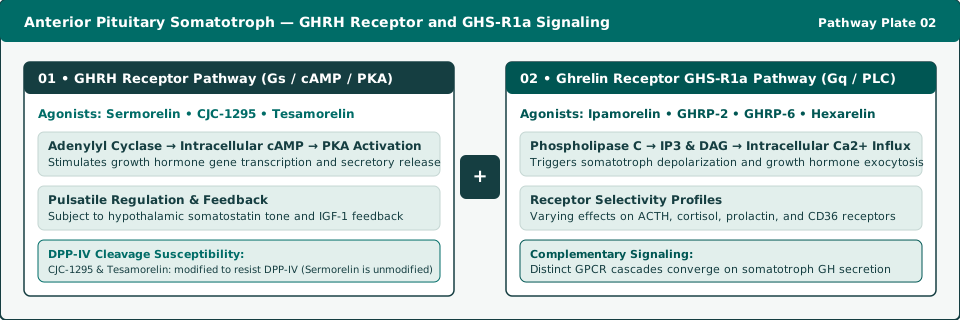
Upon sermorelin binding, the GHRH-R undergoes conformational changes that promote coupling with stimulatory G proteins (Gs), activating adenylyl cyclase and elevating intracellular cyclic AMP (cAMP) concentrations. Increased cAMP activates protein kinase A (PKA), which phosphorylates multiple downstream targets including cAMP response element-binding protein (CREB), transcription factors regulating GH gene expression, and ion channels modulating somatotroph electrical activity. Additionally, GHRH receptor activation influences intracellular calcium dynamics through both voltage-gated calcium channels and mobilization of intracellular calcium stores, processes that amplify GH secretory responses.
3. Pharmacokinetics and Pharmacodynamics
Understanding the pharmacokinetic and pharmacodynamic properties of sermorelin is essential for rational therapeutic application and dosing optimization. The peptide's behavior in biological systems reflects both its structural characteristics and the complex regulatory mechanisms governing the somatotropic axis.
3.1 Absorption and Distribution
Sermorelin is administered via subcutaneous injection, the standard route for peptide therapeutics that would undergo extensive first-pass degradation if administered orally. Following subcutaneous administration, sermorelin demonstrates relatively rapid absorption with peak plasma concentrations typically occurring 15-30 minutes post-injection [7]. The bioavailability following subcutaneous administration is estimated at approximately 40-50%, reflecting both incomplete absorption and rapid metabolic clearance.
The volume of distribution for sermorelin is relatively limited, primarily confined to extracellular fluid compartments. The peptide exhibits minimal protein binding in plasma, circulating predominantly as free, biologically active peptide. This characteristic facilitates rapid tissue distribution and receptor engagement but also contributes to rapid renal clearance. The apparent volume of distribution is approximately 0.2-0.3 L/kg, consistent with limited tissue penetration beyond the vascular and immediate extravascular spaces.
3.2 Metabolism and Elimination
Sermorelin undergoes rapid metabolic degradation through multiple enzymatic pathways. The primary degradative enzyme is dipeptidyl peptidase-4 (DPP-4), which cleaves the peptide between alanine-2 and aspartic acid-3, generating inactive metabolites. Additional proteolytic enzymes including neutral endopeptidase and aminopeptidases contribute to peptide degradation. These metabolic processes result in a plasma half-life of approximately 10-20 minutes [8].
Elimination occurs primarily through renal excretion, with both intact peptide and metabolic fragments cleared via glomerular filtration. Hepatic metabolism contributes minimally to overall clearance.
3.3 Pharmacodynamic Effects
The pharmacodynamic effects of sermorelin are characterized by stimulation of pulsatile growth hormone secretion that mirrors physiological patterns. Following administration, GH levels begin rising within 15-30 minutes, reaching peak concentrations approximately 30-60 minutes post-injection, and returning to baseline within 2-4 hours. This temporal profile reflects both the direct stimulatory effects of sermorelin on somatotrophs and the subsequent negative feedback mechanisms that terminate the secretory pulse [9].
Importantly, sermorelin-stimulated GH secretion is subject to physiological regulatory mechanisms that are bypassed by exogenous rhGH administration. Somatostatin (growth hormone-inhibiting hormone) can attenuate sermorelin-induced GH release, and chronic sermorelin exposure does not suppress endogenous GHRH secretion or pituitary responsiveness to the same extent as chronic GH exposure suppresses the GHRH-GH axis. These characteristics preserve more physiological hormonal dynamics compared to direct hormone replacement strategies. Research on somatotropic axis regulation provides additional mechanistic insights.
3.4 Dose-Response Relationships
Sermorelin exhibits dose-dependent effects on GH secretion, though the relationship is not strictly linear across all dose ranges. In clinical studies, doses ranging from 0.1 mcg/kg to 1.0 mcg/kg produce progressively greater GH responses, with peak GH levels increasing approximately 2-fold to 10-fold above baseline depending on dose and individual responsiveness [10]. However, a ceiling effect is observed at higher doses, beyond which further increases in sermorelin dose produce diminishing incremental effects on GH secretion, likely reflecting saturation of available GHRH receptors and engagement of negative feedback mechanisms.
Individual variability in GH responses to sermorelin is substantial, reflecting differences in pituitary GH reserve, somatotroph GHRH receptor expression and sensitivity, and competing influences from somatostatin tone. Age represents a particularly important determinant of responsiveness, with declining GH responses to GHRH stimulation observed with advancing age, paralleling age-related declines in spontaneous GH secretion. Body composition, particularly adiposity, also influences GH responsiveness, with obesity associated with blunted GH responses to various secretagogues including GHRH.
4. Physiological Functions and Systemic Effects of Growth Hormone
To appreciate sermorelin's therapeutic potential, understanding the diverse physiological functions mediated by growth hormone is essential. GH exerts both direct effects through GH receptors and indirect effects through insulin-like growth factor-1 (IGF-1), which mediates many of GH's growth-promoting and metabolic actions.
4.1 Growth and Development
Growth hormone is the principal hormonal regulator of postnatal linear growth in children and adolescents. GH stimulates longitudinal bone growth through effects on growth plate chondrocytes, promoting chondrocyte proliferation and differentiation. These effects are mediated primarily by IGF-1, produced both systemically in the liver in response to GH and locally in growth plate tissues. GH also influences bone modeling and remodeling, muscle development, and organ growth, orchestrating the coordinated increases in body size characteristic of normal growth [11].
The importance of GH for growth is evident in GH deficiency states, where insufficient GH secretion results in proportionate short stature (termed pituitary dwarfism in severe cases). Conversely, GH excess during childhood, typically from pituitary adenomas, causes gigantism characterized by excessive linear growth. These clinical observations underscore GH's critical role in regulating growth processes and provide the rationale for GH augmentation therapy in growth-deficient children.
4.2 Metabolic Effects
Beyond growth regulation, GH exerts profound effects on intermediary metabolism, influencing carbohydrate, lipid, and protein metabolism in ways that generally favor anabolic processes and energy substrate mobilization. GH promotes lipolysis in adipose tissue, enhancing free fatty acid release and oxidation while reducing lipogenesis, resulting in decreased fat mass and increased lean body mass. These effects contribute to the altered body composition characteristic of GH deficiency (increased adiposity, reduced lean mass) and GH excess (reduced adiposity, increased muscularity) [12].
GH influences glucose metabolism through multiple mechanisms. Acutely, GH has insulin-like effects promoting glucose uptake and utilization. However, chronic GH exposure opposes insulin action, reducing insulin sensitivity in muscle and adipose tissue and stimulating hepatic glucose production. These anti-insulin effects explain why GH excess can precipitate glucose intolerance and diabetes mellitus. GH also promotes protein synthesis and nitrogen retention, contributing to increased lean tissue mass and positive nitrogen balance.
4.3 Tissue-Specific Effects
GH influences the structure and function of multiple organ systems beyond classical growth and metabolic target tissues. In the cardiovascular system, GH affects cardiac muscle, promoting cardiomyocyte growth and contractility. GH deficiency is associated with reduced cardiac mass, decreased cardiac output, and potentially increased cardiovascular risk, while GH replacement may improve cardiac function. In bone, GH and IGF-1 stimulate bone formation and remodeling, maintaining bone mineral density and bone strength. GH deficiency predisposes to reduced bone density and increased fracture risk, particularly when deficiency begins in childhood [13].
The immune system is influenced by GH, which modulates immune cell development and function. Thymic involution with aging is partially attributed to declining GH levels, and GH replacement has been shown to enhance thymic function and certain immune parameters. In the brain, GH and IGF-1 exert neurotrophic and neuroprotective effects, influencing cognition, mood, and neuroplasticity. These diverse effects position the GH axis as a pleiotropic regulator of multiple physiological systems throughout the lifespan.
5. Clinical Applications: Pediatric Growth Disorders
The most established clinical application of sermorelin is in pediatric growth disorders, specifically growth hormone deficiency (GHD) in children. This indication reflects both the critical importance of GH for normal growth and the extensive clinical evidence supporting sermorelin's efficacy in this population.
5.1 Growth Hormone Deficiency in Children
Pediatric GHD encompasses a spectrum of disorders characterized by inadequate GH secretion resulting in growth failure. GHD may be congenital, resulting from genetic mutations affecting pituitary development or GH synthesis, or acquired, secondary to tumors, irradiation, trauma, or infiltrative processes affecting the hypothalamus or pituitary. Isolated GHD affects only GH secretion, while combined pituitary hormone deficiency involves multiple pituitary hormone deficits [14].
Clinical manifestations of pediatric GHD include short stature (height more than 2-3 standard deviations below the mean for age and sex), delayed bone age, reduced growth velocity, and sometimes characteristic facial features including frontal bossing and underdeveloped nasal bridge. Metabolic abnormalities including hypoglycemia (particularly in neonates and young children) and altered body composition may be present. Diagnosis requires demonstration of inadequate GH secretion through GH stimulation testing, combined with compatible clinical and auxological features.
5.2 Sermorelin Therapy in Pediatric GHD
Sermorelin received FDA approval for treatment of idiopathic GHD in children, an indication based on clinical trials demonstrating improved growth velocity and final adult height outcomes. In comparative studies, sermorelin therapy produces growth acceleration comparable to low-dose rhGH therapy, with increases in height velocity from 3-4 cm/year pre-treatment to 8-10 cm/year during treatment in responders [15].
The mechanism underlying sermorelin's efficacy in pediatric GHD appears to involve both direct stimulation of residual somatotroph function and potential trophic effects on the pituitary gland. Some evidence suggests that chronic GHRH exposure may expand the somatotroph population and enhance pituitary GH synthetic capacity, effects not achievable with exogenous GH replacement. However, sermorelin is effective primarily in children with hypothalamic dysfunction causing secondary pituitary GHD, where somatotrophs retain capacity to respond to GHRH stimulation. Primary pituitary failure with absent or severely compromised somatotroph function does not respond adequately to GHRH-based therapy, necessitating direct GH replacement in such cases.
5.3 Diagnostic Applications
Beyond therapeutic applications, sermorelin serves an important diagnostic role in evaluating GH secretory capacity. Diagnostic studies have evaluated GH responses to sermorelin stimulation [16]. Normal responses (peak GH greater than 10-15 ng/mL, though cutoffs vary by assay and population) indicate intact somatotroph function, while blunted responses suggest pituitary GHD. Combined testing with GHRH and other GH secretagogues such as arginine or growth hormone-releasing peptides can improve diagnostic sensitivity and help distinguish hypothalamic from pituitary causes of GHD [16].
6. Clinical Applications: Adult Growth Hormone Deficiency
Adult growth hormone deficiency (AGHD) represents a distinct clinical entity from pediatric GHD, with different manifestations, diagnostic considerations, and therapeutic objectives. AGHD may result from childhood-onset GHD persisting into adulthood or adult-onset GHD from acquired hypothalamic-pituitary lesions.
6.1 Clinical Features of Adult GHD
The clinical manifestations of AGHD differ substantially from pediatric GHD, as linear growth is no longer occurring. AGHD is characterized by altered body composition (increased visceral adiposity, reduced lean body mass, reduced bone mineral density), adverse cardiovascular risk profile (dyslipidemia, endothelial dysfunction, increased atherosclerotic disease risk), reduced exercise capacity, impaired quality of life, and sometimes cognitive and mood disturbances [17]. These manifestations reflect the metabolic, cardiovascular, and systemic effects of GH reviewed previously.
Diagnosis of AGHD requires demonstration of inadequate GH secretion in the appropriate clinical context. Unlike children, where spontaneous GH secretion assessment may be informative, adults typically require provocative GH stimulation testing due to the pulsatile and often low-amplitude GH secretion in normal adults. The insulin tolerance test (ITT) is considered the gold standard for AGHD diagnosis, though GHRH-arginine testing and other provocative tests are employed when ITT is contraindicated or unavailable. Diagnostic thresholds for AGHD are lower than pediatric cutoffs, typically peak GH less than 3-5 ng/mL depending on the specific test employed.
6.2 Sermorelin Therapy in Adult GHD
While recombinant human GH is the standard approved therapy for AGHD, sermorelin has been investigated as an alternative approach, particularly for patients with hypothalamic dysfunction and preserved pituitary responsiveness. Clinical trials in AGHD patients have demonstrated that sermorelin can increase IGF-1 levels, improve body composition (reduce fat mass, increase lean mass), enhance lipid profiles, and potentially improve quality of life parameters [18]. However, the evidence base for sermorelin in AGHD is more limited than for rhGH, and sermorelin is not FDA-approved for this indication.
The theoretical advantages of sermorelin over rhGH in AGHD include preservation of pulsatile GH secretion patterns, maintenance of physiological negative feedback regulation, and potentially reduced risk of adverse effects associated with excessive or sustained GH exposure. However, these theoretical benefits require validation through rigorous comparative trials. Patient selection is critical, as only individuals with hypothalamic dysfunction and retained pituitary reserve will respond adequately to GHRH-based therapy. Patients with primary pituitary disease typically require direct GH replacement.
7. Anti-Aging and Age-Related Applications
The observation that GH secretion declines progressively with aging, coupled with recognition that many age-related changes (increased adiposity, reduced lean mass, decreased bone density, reduced exercise capacity) resemble features of GHD, has generated substantial interest in GH augmentation as an anti-aging intervention. This application of sermorelin remains highly controversial and investigational, lacking robust evidence and regulatory approval.
7.1 Age-Related GH Decline
GH secretion decreases approximately 14% per decade after age 20-30 years, such that mean GH levels in healthy elderly individuals are often comparable to those in younger adults with diagnosed GHD. This phenomenon, termed somatopause, reflects multiple mechanisms including decreased GHRH secretion, increased somatostatin tone, reduced somatotroph responsiveness, and altered body composition with increased adiposity that further suppresses GH secretion [20]. IGF-1 levels similarly decline with aging, though less dramatically than GH due to compensatory changes in GH binding proteins and clearance.
The functional significance of age-related GH decline remains debated. Some investigators view somatopause as an adaptive response to aging that reduces metabolic demands and potentially decreases cancer risk, arguing against intervention. Others propose that GH decline contributes causally to age-related physiological deterioration, suggesting that restoration of youthful GH levels might slow aging processes and improve healthspan. Definitive resolution of this debate requires long-term controlled trials assessing both benefits and risks of GH augmentation in aging populations, studies that have not been conducted adequately to date.
7.2 Clinical Studies in Aging
Clinical trials examining GH replacement or stimulation in healthy older adults have produced mixed results. Some studies report improvements in body composition (increased lean mass, reduced fat mass), bone density, exercise capacity, and quality of life measures. However, many studies have been small, short-duration, and of variable methodological quality. A systematic review and meta-analysis of GH therapy in healthy elderly individuals concluded that while treatment increases lean body mass and decreases fat mass, these changes are relatively modest, clinical significance is uncertain, and adverse effects (edema, arthralgias, carpal tunnel syndrome, glucose intolerance) occur with concerning frequency [21].
Studies specifically evaluating GHRH(1-29) analogs in aging populations are limited but suggest potential for more favorable benefit-risk profiles compared to rhGH. By stimulating physiological GH secretion rather than imposing supraphysiological exogenous GH levels, GHRH analogs may produce more moderate effects with reduced adverse effect risks. A controlled study by Khorram et al. in healthy older men and women treated with a GHRH(1-29) analog for 16 weeks demonstrated increases in lean body mass and IGF-1 levels with minimal adverse effects, though functional outcomes were not comprehensively assessed [22]. Research on endocrine changes in aging provides broader context for these interventions.
7.3 Ethical and Regulatory Considerations
The use of sermorelin or GH for anti-aging purposes raises significant ethical and regulatory issues. Neither sermorelin nor rhGH is approved for general anti-aging applications, and such use of rhGH is explicitly prohibited under federal statutes governing human growth hormone distribution (21 U.S.C. § 333(e)). Professional medical organizations including the Endocrine Society have issued position statements advising against GH use in otherwise healthy older adults, citing insufficient evidence of benefit and potential for harm.
8. Body Composition and Performance Applications
GH's effects on body composition and its potential to influence tissue remodeling have led to interest in sermorelin in body composition research. Outside approved indications, such uses are off-label, prohibited in competitive athletics, and not supported by robust clinical evidence.
8.1 Effects on Muscle Mass and Strength
Growth hormone increases lean body mass, but changes in measured lean mass need not represent functional muscle gain [23].
GHRH analogs including sermorelin are prohibited at all times by the World Anti-Doping Agency (WADA) under Class S2 (Peptide Hormones, Growth Factors, Related Substances, and Mimetics).
8.2 Adipose Tissue and Metabolic Effects
GH's lipolytic effects and ability to reduce fat mass while preserving lean mass have been studied in metabolic research. Controlled studies demonstrate that GH axis stimulation reduces total body fat, particularly visceral adiposity, with corresponding increases in lean tissue. However, in the absence of GHD, these changes are generally modest, require sustained administration, and regress upon cessation. Furthermore, GH's anti-insulin effects can impair insulin sensitivity, particularly in individuals with pre-existing metabolic risk factors [24].
9. Safety Profile and Adverse Effects
Comprehensive safety assessment is critical for any hormonal intervention. The safety profile of sermorelin derives from clinical trial data in approved pediatric and diagnostic indications, adult endocrine studies, and mechanistic considerations based on GHRH receptor biology.
9.1 Common Adverse Effects
In clinical trials, sermorelin has been generally well-tolerated, with adverse effect profiles typically milder than those observed with direct rhGH administration. The most commonly reported adverse effects include injection site reactions (pain, erythema, swelling), headache, flushing, dizziness, and transient hyperemia. These effects are usually mild and resolve without intervention [25].
Importantly, adverse effects commonly associated with supraphysiological rhGH exposure (peripheral edema, arthralgias, carpal tunnel syndrome, benign intracranial hypertension) appear less frequent with sermorelin, reflecting the preservation of somatostatin-gated pulsatility and IGF-1 negative feedback.
9.2 Metabolic and Endocrine Effects
GH's anti-insulin effects raise considerations regarding glucose homeostasis, particularly in individuals with impaired glucose tolerance.
Sermorelin appears not to significantly suppress other pituitary hormones or adversely affect thyroid, adrenal, or reproductive function in most patients.
9.3 Long-Term Safety Considerations
Long-term safety data for sermorelin remain more limited than the multi-decade registries available for rhGH. Theoretical concerns exist regarding associations between elevated GH/IGF-1 signaling and mitogenic risk, as IGF-1 exhibits anti-apoptotic activity in vitro [27]. Active malignancy is a strict contraindication to any GHRH analog or GH secretagogue.
9.4 Contraindications and Precautions
Safety concerns discussed for sermorelin include active malignancy and hypersensitivity to sermorelin or formulation components.
10. Comparative Considerations: Sermorelin, Long-Acting GHRH Analogs, and rhGH
Comparing sermorelin against native GHRH(1-44), stabilized GHRH analogs (tesamorelin and CJC-1295), and exogenous recombinant human GH clarifies how structural modifications alter pharmacokinetics, feedback preservation, and regulatory status.
| Compound | Structure & Modification | Plasma Half-Life | Feedback & Pulsatility | Regulatory & Clinical Trial Status |
|---|---|---|---|---|
| Sermorelin | GHRH(1–29)-NH2 (truncated N-terminal domain) | 10–20 min (DPP-4 labile) | Preserves SST gating & IGF-1 feedback | FDA-approved 1997 (Geref, pediatric GHD & diagnostic); commercially discontinued 2008 (not for safety) |
| Tesamorelin | trans-3-hexenoyl-GHRH(1–44)-NH2 | 26–38 min (DPP-4 resistant) | Preserves pulsatile GH & feedback | FDA-approved 2010 (Egrifta) for HIV-associated lipodystrophy VAT reduction |
| CJC-1295 (DAC) | Tetrasubstituted GHRH(1–29) + Lys-MPA (albumin bioconjugate) | 6–8 days | Elevates basal GH trough; retains circadian pulsatility | Investigational RUO; FDA's page current as of April 22, 2026 lists CJC-1295 as nominated but withdrawn (withdrawal is not a safety clearance or approval to compound) |
| Recombinant hGH | 191-aa biosynthetic somatropin | ~3–4 h (SC absorption-limited) | Bypasses pituitary; suppresses endogenous GHRH/GH | FDA-approved Rx across pediatric/adult GHD; strictly regulated under 21 U.S.C. § 333(e) |
10.1 Theoretical Advantages of Sermorelin
Sermorelin's primary theoretical advantage lies in its physiological mechanism of action. By stimulating endogenous GH secretion rather than replacing it with exogenous hormone, sermorelin preserves pulsatile secretory patterns that mirror normal physiology. GH is naturally secreted in pulses, predominantly during deep sleep, with interpulse periods of low GH levels. This pulsatility is functionally significant, as continuous GH exposure downregulates GH receptors and diminishes responsiveness. Sermorelin maintains pulsatility, potentially preserving receptor sensitivity and optimizing downstream signaling [28].
Additionally, sermorelin-stimulated GH secretion remains subject to negative feedback regulation by IGF-1 and somatostatin, providing an endogenous ceiling against excessive GH production. Sermorelin may also exert trophic effects on pituitary somatotrophs, preserving somatotroph gene transcription rather than inducing somatotroph atrophy.
10.2 Practical Advantages of rhGH
Despite sermorelin's theoretical advantages, rhGH offers practical benefits that favor its clinical use in established pituitary disease. rhGH is effective regardless of the etiology of GHD, whereas sermorelin requires intact pituitary somatotroph function and responsiveness to GHRH. Patients with primary pituitary failure, hypophysectomy, or complete somatotroph destruction do not respond to sermorelin, necessitating rhGH replacement [29].
rhGH dosing is also more predictable and titratable, with dose-dependent effects on IGF-1 levels enabling precise adjustment to achieve target ranges. Sermorelin responses exhibit greater inter-individual variability, reflecting differences in pituitary reserve and somatostatin tone.
10.3 Supply and Formulation Considerations
Following the commercial discontinuation of brand-name Geref in 2008 by EMD Serono for business reasons unrelated to safety or efficacy, pharmaceutical-grade FDA-approved sermorelin injections ceased commercial distribution in the United States, leaving rhGH and tesamorelin as the sole FDA-approved somatotropic peptides with active marketing authorizations.
11. Regulatory Status and Clinical Guidelines
Understanding the regulatory landscape governing sermorelin is essential for distinguishing historical FDA approval from contemporary compounding and research-reagent frameworks.
11.1 FDA Approval Status
Sermorelin acetate received FDA approval in 1997 under the trade name Geref Diagnostic for evaluation of pituitary function and as Geref for treatment of idiopathic growth hormone deficiency in children with growth failure. However, the original manufacturer discontinued production in 2008 due to commercial considerations rather than safety or efficacy concerns [30].
11.2 Clinical Practice Guidelines
Professional medical societies have published guidelines addressing GH therapy [31].
12. Future Directions and Research Needs
Advancing GHRH(1-29) research requires addressing several mechanistic and translational questions.
12.1 Clinical Trial Priorities
High-quality randomized controlled trials comparing GHRH analogs and rhGH head-to-head in hypothalamic GHD populations represent a key research priority, employing validated endpoints and extended follow-up [32].
12.2 Mechanistic and Translational Research
Investigation of extrapituitary GHRH receptor signaling—particularly in cardiomyocytes, pancreatic islets, and central nervous system circuits where splice variants of GHRH-R are expressed—represents an active frontier in peptide biology. Pharmacokinetic optimization to resist DPP-4 cleavage (as achieved via trans-3-hexenoyl acylation in tesamorelin) continues to inform structure-activity studies across Class B GPCR peptide ligands. Related research on peptide drug development offers methodological insights applicable to GHRH analog characterization.
12.3 Analytical Standardization
Analytical characterization of research peptides can include HPLC purity profiling and mass-spectrometric identity confirmation.
13. Conclusion
Sermorelin acetate represents a physiologically rational approach to growth hormone axis investigation that operates through stimulation of endogenous pituitary GH secretion rather than replacement with exogenous hormone. As a synthetic analog of the bioactive N-terminal 1–29 sequence of human GHRH, sermorelin activates pituitary GHRH receptors, triggering Gαs–cAMP–PKA signaling cascades that promote GH synthesis and exocytosis. The resulting GH secretory patterns preserve physiological pulsatility and remain subject to somatostatin gating and IGF-1 negative feedback mechanisms.
Historically validated in pediatric idiopathic growth hormone deficiency and pituitary reserve diagnostics, sermorelin remains a foundational reference ligand for characterizing Class B GPCR signaling, DPP-4 proteolysis kinetics, and hypothalamic-pituitary feedback regulation.
References
- Guillemin R, Brazeau P, Bohlen P, et al. Growth hormone-releasing factor from a human pancreatic tumor that caused acromegaly. Science. 1982;218(4572):585-587. PubMed
- Rivier J, Spiess J, Thorner M, Vale W. Characterization of a growth hormone-releasing factor from a human pancreatic islet tumour. Nature. 1982;300(5889):276-278. PubMed
- Thorner MO, Rochiccioli P, Colle M, et al. Once daily subcutaneous growth hormone-releasing hormone therapy accelerates growth in growth hormone-deficient children during the first year of therapy. Journal of Clinical Endocrinology and Metabolism. 1996;81(3):1189-1196. PubMed
- Campbell RM, Scanes CG. Evolution of the growth hormone-releasing factor (GRF) family of peptides. Growth Regulation. 1992;2(4):175-191. PubMed
- Frohman LA, Kineman RD, Kamegai J, et al. Secretagogues and the somatotrope: signaling and proliferation. Recent Progress in Hormone Research. 2000;55:269-290. PubMed
- Mayo KE, Godfrey PA, Suhr ST, et al. Growth hormone-releasing hormone: synthesis and signaling. Recent Progress in Hormone Research. 1995;50:35-73. PubMed
- Vance ML, Kaiser DL, Frohman LA, et al. Role of dopamine in the regulation of growth hormone secretion: dopamine and bromocriptine augment growth hormone (GH)-releasing hormone-stimulated GH secretion in normal man. Journal of Clinical Endocrinology and Metabolism. 1987;64(6):1136-1141. PubMed
- Frohman LA, Jansson JO. Growth hormone-releasing hormone. Endocrine Reviews. 1986;7(3):223-253. PubMed
- Jaffe CA, Ho PJ, Demott-Friberg R, et al. Effects of a prolonged growth hormone (GH)-releasing hormone infusion on pulsatile GH secretion in normal men. Journal of Clinical Endocrinology and Metabolism. 1993;77(6):1641-1647. PubMed
- Prakash S, Guo IC. Growth hormone releasing hormone: the fountain of youth? World Journal of Pharmaceutical Research. 2014;3(4):1384-1401.
- Ohlsson C, Bengtsson BA, Isaksson OG, et al. Growth hormone and bone. Endocrine Reviews. 1998;19(1):55-79. PubMed
- Davidson MB. Effect of growth hormone on carbohydrate and lipid metabolism. Endocrine Reviews. 1987;8(2):115-131. PubMed
- Johannsson G, Bengtsson BA. Growth hormone and the metabolic syndrome. Journal of Endocrinological Investigation. 1999;22(5 Suppl):41-46. PubMed
- Parks JS, Brown MR, Hurley DL, et al. Heritable disorders of pituitary development. Journal of Clinical Endocrinology and Metabolism. 1999;84(12):4362-4370. PubMed
- Carel JC, Ecosse E, Landier F, et al. Long-term mortality after recombinant growth hormone treatment for isolated growth hormone deficiency or childhood short stature: preliminary report of the French SAGhE study. Journal of Clinical Endocrinology and Metabolism. 2012;97(2):416-425. PubMed
- Bowers CY, Granda R, Mohan S, et al. Sustained elevation of pulsatile growth hormone (GH) secretion and insulin-like growth factor I (IGF-I), IGF-binding protein-3 (IGFBP-3), and IGFBP-5 concentrations during 30-day continuous subcutaneous infusion of GH-releasing peptide-2 in older men and women. Journal of Clinical Endocrinology and Metabolism. 2004;89(5):2290-2300. PubMed
- Rosen T, Bengtsson BA. Premature mortality due to cardiovascular disease in hypopituitarism. Lancet. 1990;336(8710):285-288. PubMed
- Walker RF, Yang SW, Bercu BB. Robust growth hormone (GH) secretion in aged female rats co-administered GH-releasing hexapeptide (GHRP-6) and GH-releasing hormone (GHRH). Life Sciences. 1991;49(19):1499-1504. PubMed
- Kelijman M, Frohman LA. The role of the cholinergic pathway in growth hormone feedback. Journal of Clinical Endocrinology and Metabolism. 1991;72(6):1081-1087. PubMed
- Iranmanesh A, Lizarralde G, Veldhuis JD. Age and relative adiposity are specific negative determinants of the frequency and amplitude of growth hormone (GH) secretory bursts and the half-life of endogenous GH in healthy men. Journal of Clinical Endocrinology and Metabolism. 1991;73(5):1081-1088. PubMed
- Liu H, Bravata DM, Olkin I, et al. Systematic review: the safety and efficacy of growth hormone in the healthy elderly. Annals of Internal Medicine. 2007;146(2):104-115. PubMed
- Khorram O, Laughlin GA, Yen SS. Endocrine and metabolic effects of long-term administration of [Nle27]growth hormone-releasing hormone-(1-29)-NH2 in age-advanced men and women. Journal of Clinical Endocrinology and Metabolism. 1997;82(5):1472-1479. PubMed
- Yarasheski KE, Campbell JA, Smith K, et al. Effect of growth hormone and resistance exercise on muscle growth in young men. American Journal of Physiology. 1992;262(3 Pt 1):E261-267. PubMed
- Lange KH, Andersen JL, Beyer N, et al. GH administration changes myosin heavy chain isoforms in skeletal muscle but does not augment muscle strength or hypertrophy, either alone or combined with resistance exercise training in healthy elderly men. Journal of Clinical Endocrinology and Metabolism. 2002;87(2):513-523. PubMed
- Cordido F, Penalva A, Dieguez C, Casanueva FF. Massive growth hormone (GH) discharge in obese subjects after the combined administration of GH-releasing hormone and GHRP-6: evidence for a marked somatotroph secretory capability in obesity. Journal of Clinical Endocrinology and Metabolism. 1993;76(4):819-823. PubMed
- Hussain MA, Schmitz O, Mengel A, et al. Comparison of the effects of growth hormone and insulin-like growth factor I on substrate oxidation and on insulin sensitivity in growth hormone-deficient humans. Journal of Clinical Investigation. 1994;94(3):1126-1133. PubMed
- Jenkins PJ, Mukherjee A, Shalet SM. Does growth hormone cause cancer? Clinical Endocrinology. 2006;64(2):115-121. PubMed
- Clark RG, Carlsson LM, Robinson IC. Growth hormone secretory profiles in conscious female rats. Journal of Endocrinology. 1987;114(3):399-407. PubMed
- Molitch ME, Clemmons DR, Malozowski S, et al. Evaluation and treatment of adult growth hormone deficiency: an Endocrine Society clinical practice guideline. Journal of Clinical Endocrinology and Metabolism. 2011;96(6):1587-1609. PubMed
- US Food and Drug Administration. Questions and answers on drug products under the FD&C Act. Accessed October 2024.
- Ho KK. Consensus guidelines for the diagnosis and treatment of adults with GH deficiency II: a statement of the GH Research Society in association with the European Society for Pediatric Endocrinology, Lawson Wilkins Society, European Society of Endocrinology, Japan Endocrine Society, and Endocrine Society of Australia. European Journal of Endocrinology. 2007;157(6):695-700. PubMed
- Tanaka T, Seino Y, Fujieda K, et al. Guidelines for diagnosis and treatment of growth hormone deficiency and related disorders in Japan. Clinical Pediatric Endocrinology. 2013;22(3):49-62. PubMed
This article is intended for educational and informational purposes only and should not be construed as medical advice. Brand-name Sermorelin (Geref) was commercially discontinued in 2008. All therapeutic decisions should be made in consultation with qualified healthcare professionals.