CJC-1295 represents a significant advancement in the development of synthetic growth hormone-releasing hormone (GHRH) analogs, characterized by its unique pharmacokinetic profile achieved through bioconjugation with drug affinity complex (DAC) technology. This comprehensive literature review examines the molecular architecture, receptor pharmacology, metabolic stability, and clinical applications of CJC-1295, synthesizing findings from preclinical investigations and human clinical trials. The peptide's extended half-life and sustained bioactivity distinguish it from endogenous GHRH and earlier synthetic analogs, positioning it as a valuable research tool for investigating the somatotropic axis and potential therapeutic interventions in growth hormone deficiency states, metabolic disorders, and age-related physiological decline. This review critically evaluates the mechanistic foundations of CJC-1295 action, pharmacodynamic parameters, safety profiles, and emerging applications within translational medicine.
1. Introduction and Historical Context
The growth hormone-releasing hormone (GHRH) system has been a focal point of endocrinological research since the isolation and characterization of native GHRH from pancreatic tumors in 1982 by Guillemin and colleagues.1 This discovery catalyzed extensive investigations into the hypothalamic-pituitary-somatotropic axis and initiated the development of synthetic GHRH analogs designed to overcome the inherent limitations of the native 44-amino acid peptide, including rapid enzymatic degradation and short plasma half-life (approximately 6.8 minutes in humans).2
CJC-1295, developed by ConjuChem Biotechnologies in the early 2000s, emerged as a third-generation GHRH analog incorporating drug affinity complex (DAC) technology to dramatically extend its duration of action. The peptide maintains the critical bioactive domain of GHRH(1-29) while featuring strategic amino acid substitutions that enhance receptor affinity and proteolytic resistance. Most significantly, the covalent attachment of a maleimidoproprionic acid (MPA) linker enables bioconjugation with serum albumin, creating a high-molecular-weight complex that substantially prolongs circulatory half-life and sustains growth hormone (GH) secretion.3
This review examines CJC-1295 within the broader context of peptide therapeutics and provides a rigorous analysis of its pharmacological characteristics, mechanistic actions, and potential clinical utilities. Understanding the molecular basis of CJC-1295's enhanced performance relative to native GHRH and earlier analogs provides critical insights into rational peptide drug design and the optimization of therapeutic interventions targeting the somatotropic axis.
2. Molecular Structure and Chemical Modifications
CJC-1295 (also designated as DAC:GRF) comprises a 30-amino acid sequence derived from the bioactive N-terminal fragment of human GHRH, with strategic modifications designed to enhance receptor binding affinity, metabolic stability, and pharmacokinetic properties. The fundamental structure incorporates four critical amino acid substitutions relative to native GHRH(1-29): D-Ala2, Gln8, Ala15, and Leu27.4 These substitutions collectively confer resistance to dipeptidyl peptidase-IV (DPP-IV) degradation at the N-terminus and enhance α-helical conformational stability, which is essential for optimal GHRH receptor (GHRH-R) engagement.
The defining structural feature of CJC-1295 is the C-terminal extension containing lysine residue substituted with a maleimidoproprionic acid (MPA) moiety at position 30. This reactive group facilitates covalent binding to cysteine-34 of circulating serum albumin through thioether bond formation, creating a stable bioconjugate with a molecular weight exceeding 66 kDa.5 This albumin conjugation strategy exploits the long circulatory half-life of albumin (approximately 19 days) and its protection from renal filtration, thereby extending the effective half-life of the peptide from minutes to several days.
Structural studies employing circular dichroism spectroscopy and nuclear magnetic resonance (NMR) analysis have demonstrated that the modified amino acids in CJC-1295 promote increased α-helical content compared to native GHRH, particularly within the critical receptor-binding domain (residues 1-29).6 The enhanced helical structure correlates with improved receptor affinity and agonist potency, as the α-helical conformation optimally positions critical hydrophobic and charged residues for productive interactions with the GHRH-R extracellular domain.
The DAC technology integrated into CJC-1295 represents a sophisticated application of bioconjugation strategies in peptide drug development, enabling reversible albumin binding that maintains bioavailability while dramatically extending pharmacokinetic parameters. This molecular architecture distinguishes CJC-1295 from non-DAC GHRH analogs and provides the mechanistic foundation for its prolonged biological activity.

3. GHRH Receptor Pharmacology and Signal Transduction
The biological actions of CJC-1295 are mediated through selective activation of the growth hormone-releasing hormone receptor (GHRH-R), a class II G protein-coupled receptor (GPCR) predominantly expressed on somatotroph cells of the anterior pituitary gland.7 The GHRH-R exhibits characteristic structural features of the secretin receptor family, including a large N-terminal extracellular domain (ECD) responsible for peptide ligand recognition and binding, seven transmembrane helices that constitute the receptor core, and intracellular domains coupled to Gs proteins.
Radioligand binding studies have demonstrated that CJC-1295 exhibits high-affinity binding to GHRH-R with Kd values in the low nanomolar range (approximately 0.4-0.8 nM), comparable to or exceeding the affinity of native GHRH.8 The amino acid modifications incorporated into CJC-1295, particularly the D-Ala2 substitution and enhanced α-helical structure, optimize complementarity with the receptor binding pocket and stabilize the ligand-receptor complex. Importantly, albumin conjugation does not significantly impair receptor binding, as the bioactive peptide domain remains accessible for GHRH-R engagement.
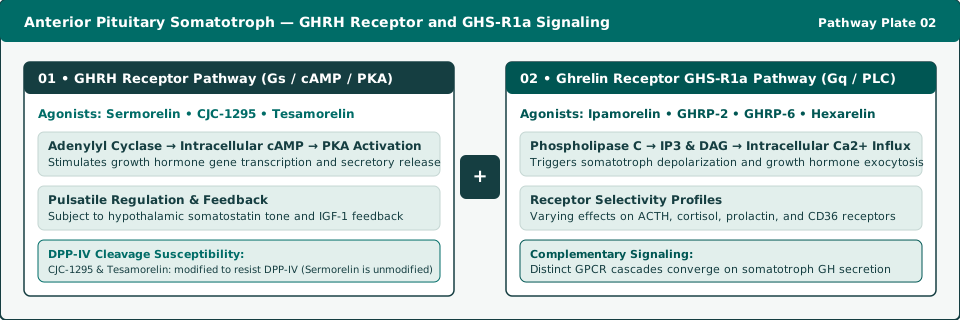
Upon CJC-1295 binding to GHRH-R, conformational changes in the receptor activate the heterotrimeric Gs protein complex, leading to GDP-GTP exchange on the Gαs subunit and subsequent dissociation of Gαs-GTP from Gβγ dimers. The activated Gαs directly stimulates adenylyl cyclase enzymes, catalyzing the conversion of ATP to cyclic adenosine monophosphate (cAMP), which serves as the principal second messenger mediating GHRH receptor signaling.9 Elevated intracellular cAMP concentrations activate protein kinase A (PKA), which phosphorylates numerous downstream effector proteins including cAMP response element-binding protein (CREB), transcription factors regulating growth hormone gene expression.
In addition to the canonical cAMP/PKA pathway, GHRH-R activation by CJC-1295 initiates additional signaling cascades including calcium mobilization through voltage-gated calcium channels and activation of mitogen-activated protein kinase (MAPK) pathways, particularly ERK1/2 signaling.10 These parallel signaling networks contribute to the comprehensive regulation of somatotroph cell function, including growth hormone synthesis, secretory granule formation, and pulsatile GH release. The sustained activation profile enabled by CJC-1295's extended pharmacokinetics may produce qualitatively different signaling dynamics compared to the pulsatile stimulation characteristic of endogenous GHRH secretion, with potential implications for downstream physiological effects.
Understanding the intricate details of GPCR signaling mechanisms activated by CJC-1295 provides essential context for interpreting its pharmacodynamic effects and optimizing therapeutic applications targeting the somatotropic axis.
4. Pharmacokinetic Profile and Metabolic Stability
The pharmacokinetic characteristics of CJC-1295 represent a dramatic departure from native GHRH and constitute the primary advantage of this modified analog. Following subcutaneous administration in humans, CJC-1295 exhibits a remarkably extended elimination half-life ranging from 6 to 8 days, representing an approximately 1,000-fold increase compared to native GHRH.11 This prolonged half-life results from the albumin bioconjugation mechanism, which protects the peptide from rapid renal clearance and enzymatic degradation.
Clinical pharmacokinetic studies have characterized the absorption, distribution, metabolism, and elimination (ADME) properties of CJC-1295 in detail. Following subcutaneous injection, the peptide demonstrates gradual absorption with time to peak plasma concentration (Tmax) occurring at approximately 1-2 hours post-administration.12 The bioavailability via subcutaneous route is estimated at 75-90%, making this a highly efficient delivery method. The volume of distribution approximates plasma volume, consistent with the large molecular weight of the albumin-conjugated complex and limited extravascular distribution.
The metabolic stability of CJC-1295 derives from multiple protective mechanisms. The D-Ala2 substitution confers resistance to N-terminal degradation by dipeptidyl peptidase-IV (DPP-IV), a ubiquitous serine protease responsible for rapid inactivation of native GHRH and many other peptide hormones.13 Additional amino acid modifications throughout the sequence reduce susceptibility to other endopeptidases and aminopeptidases. Most importantly, the covalent albumin conjugation sterically shields the peptide from proteolytic enzymes and eliminates glomerular filtration due to the size of the complex.
Dose-proportional pharmacokinetics have been observed across a wide range of CJC-1295 doses (30-300 μg/kg), with linear relationships between administered dose and both maximum plasma concentration (Cmax) and area under the concentration-time curve (AUC).14 This predictable dose-response relationship facilitates pharmacokinetic modeling in clinical research. The extended duration of action contrasts sharply with the rapid clearance of native GHRH or short-acting analogs.
Clearance of CJC-1295 occurs primarily through proteolytic degradation following gradual dissociation from albumin, with metabolites eliminated through renal and hepatobiliary pathways. The slow release from the albumin reservoir maintains plasma concentrations for extended periods, creating sustained GHRH-R activation and prolonged growth hormone secretion. This pharmacokinetic profile makes CJC-1295 suitable for investigating prolonged somatotroph stimulation in research contexts, as discussed in the context of peptide pharmacokinetics optimization.
5. Pharmacodynamic Effects and Growth Hormone Secretion
The pharmacodynamic profile of CJC-1295 is characterized by sustained elevation of circulating growth hormone (GH) and insulin-like growth factor-1 (IGF-1) concentrations, reflecting its prolonged activation of pituitary somatotrophs. Clinical studies in healthy adult volunteers have demonstrated that single-dose subcutaneous administration of CJC-1295 produces dose-dependent increases in mean 24-hour GH concentrations, with peak effects observed 1-4 days post-injection and sustained elevations persisting for 7-14 days.15
In a pivotal Phase II clinical trial, healthy adults receiving CJC-1295 at doses of 30, 60, or 90 μg/kg exhibited 2-10 fold increases in mean GH concentrations compared to baseline, with corresponding elevations in IGF-1 levels ranging from 1.5-3 fold above pre-treatment values.16 Importantly, CJC-1295 administration preserved the pulsatile pattern of GH secretion, amplifying pulse amplitude while maintaining physiological secretory dynamics. This contrasts with continuous GH replacement therapy, which produces non-physiological steady-state concentrations and may be associated with reduced efficacy due to receptor desensitization.
The maintenance of pulsatile GH secretion following CJC-1295 administration reflects the peptide's mechanism of action through endogenous GHRH-R signaling rather than direct GH replacement. The enhanced GH pulse amplitude results from increased responsiveness of somatotrophs to other regulatory inputs, including ghrelin stimulation and reduced somatostatin inhibition. This preservation of physiological regulatory mechanisms represents a potential advantage over exogenous GH administration and may contribute to improved safety profiles and tissue-specific effects.
Beyond effects on GH and IGF-1, CJC-1295 administration influences multiple downstream endocrine and metabolic parameters. Increases in IGF-binding protein-3 (IGFBP-3) concentrations parallel IGF-1 elevations, maintaining physiological ratios important for IGF-1 bioavailability and tissue delivery.17 Modest increases in cortisol and prolactin have been observed in some studies, likely reflecting activation of corticotroph and lactotroph cells expressing GHRH receptors, though these effects are generally mild and transient.
The duration of pharmacodynamic effects following CJC-1295 administration aligns closely with pharmacokinetic parameters, demonstrating sustained GH elevation throughout the elimination phase of the drug. This extended activity profile maintains consistent stimulation of the somatotropic axis over multi-day observation windows. The relationship between CJC-1295 plasma concentrations and GH secretory responses has been characterized by concentration-effect modeling, revealing EC50 values in the range of 0.5-2 nM, consistent with the receptor binding affinity of the peptide.18 These pharmacodynamic characteristics position CJC-1295 as a powerful research tool for investigating growth hormone physiology and potential therapeutic applications.
6. Therapeutic Applications and Clinical Investigations
The unique pharmacological properties of CJC-1295 have motivated investigations into diverse therapeutic applications centered on growth hormone axis modulation. While clinical development remains primarily in research phases, accumulating evidence supports potential utility in several clinical contexts including growth hormone deficiency (GHD), age-related somatopause, metabolic syndrome, and body composition optimization.
6.1 Growth Hormone Deficiency
Adult growth hormone deficiency (AGHD), resulting from pituitary disease, hypothalamic dysfunction, or genetic mutations affecting the somatotropic axis, presents with characteristic features including increased adiposity, reduced lean body mass, decreased bone mineral density, dyslipidemia, and impaired quality of life.19 Current standard treatment involves recombinant human GH (rhGH) therapy, which effectively normalizes IGF-1 concentrations and improves clinical outcomes but requires frequent administration and may produce non-physiological GH exposure patterns.
CJC-1295 represents a potential alternative approach for AGHD management, offering the advantage of preserved pulsatile GH secretion through endogenous mechanisms rather than direct hormone replacement. Phase I/II clinical trials in adults with GHD demonstrated that CJC-1295 administration produced sustained increases in serum GH and IGF-1 concentrations comparable to rhGH replacement, with trial dosing intervals of 7-14 days.20 Preliminary assessments indicated improvements in body composition parameters, including increased lean body mass and reduced fat mass, alongside favorable metabolic effects on lipid profiles and insulin sensitivity.
However, CJC-1295 development for GHD has been limited by considerations regarding its efficacy in severe GHD cases with minimal residual somatotroph function. The mechanism requiring intact pituitary responsiveness may limit utility in patients with extensive pituitary damage, though it may prove valuable in partial GHD or hypothalamic disorders with preserved pituitary capacity. Further clinical investigations are needed to fully characterize the therapeutic potential in defined GHD populations.
6.2 Age-Related Somatopause
Aging is associated with progressive decline in GH and IGF-1 concentrations, a phenomenon termed somatopause, beginning in the third decade and continuing throughout the lifespan. This decline correlates with age-related changes in body composition, including increased visceral adiposity, sarcopenia, reduced bone density, and metabolic alterations.21 While the causative relationship between GH decline and aging phenotypes remains incompletely defined, interventional studies suggest that GH axis restoration may partially reverse some age-related changes.
CJC-1295 has been investigated as a potential intervention for somatopause in healthy older adults. A randomized, placebo-controlled study in adults aged 60-75 years demonstrated that 12 weeks of CJC-1295 administration (60 μg/kg weekly) significantly increased IGF-1 concentrations to levels typical of younger adults and produced modest improvements in lean body mass and muscle strength.22 These effects occurred without serious adverse events, though injection site reactions and transient edema were reported in some participants.
The implications of long-term GH axis stimulation in aging populations require careful consideration, particularly regarding potential risks including glucose intolerance, fluid retention, and theoretical concerns about proliferative effects in pre-existing neoplastic cells. Longitudinal safety data remain limited, and further research is needed to establish optimal risk-benefit profiles for age-related applications.
6.3 Metabolic and Body Composition Optimization
The well-characterized effects of GH on lipolysis, protein synthesis, and glucose metabolism have motivated interest in CJC-1295 for metabolic optimization and body composition research. GH promotes lipolysis through activation of hormone-sensitive lipase and inhibition of lipoprotein lipase, increases amino acid uptake and protein synthesis in skeletal muscle, and influences glucose homeostasis through complex insulin-antagonistic and direct metabolic effects.23
Limited clinical data in non-GHD populations suggest that CJC-1295 administration can produce measurable changes in body composition, including reductions in fat mass (particularly visceral adipose tissue) and increases in lean tissue mass. These effects appear most pronounced in individuals with baseline GH insufficiency or advanced age, while responses in young healthy individuals with normal GH secretion are more modest. The metabolic effects on insulin sensitivity show variable patterns, with some studies reporting improvements and others noting transient insulin resistance, likely reflecting the complex and context-dependent actions of GH on glucose metabolism.
The potential application of CJC-1295 in metabolic syndrome, characterized by central obesity, insulin resistance, dyslipidemia, and hypertension, represents an area of ongoing investigation. Theoretical benefits include reduction of visceral adiposity, improvement in lipid profiles, and potential enhancement of insulin sensitivity through body composition changes. However, the insulin-antagonistic effects of GH necessitate careful monitoring of glucose homeostasis, particularly in individuals with impaired glucose tolerance or diabetes risk factors. These metabolic considerations are further explored in research on peptide metabolic effects.
7. Safety Profile, Adverse Effects, and Regulatory Status
The safety profile of CJC-1295 has been evaluated in multiple clinical trials involving healthy volunteers and patient populations, providing preliminary data on tolerability and adverse event patterns. Overall, CJC-1295 administration has been generally well-tolerated at doses up to 300 μg/kg in short-term studies, though several categories of adverse effects have been documented and require ongoing surveillance in extended treatment paradigms.24
The most frequently reported adverse effects are injection site reactions, occurring in 20-40% of subjects receiving subcutaneous CJC-1295. These reactions typically manifest as mild-to-moderate erythema, swelling, or induration at injection sites, generally resolving within 24-48 hours without specific intervention. The etiology likely involves local inflammatory responses to the peptide formulation rather than systemic toxicity, and reactions tend to diminish with repeated administration as tolerance develops.
Systemic adverse effects related to GH axis activation include peripheral edema, arthralgias, and carpal tunnel syndrome symptoms, reported in approximately 10-15% of subjects receiving higher CJC-1295 doses. These effects mirror the known adverse event profile of recombinant GH therapy and reflect fluid retention and soft tissue swelling mediated by GH-induced sodium retention and increased capillary permeability.25 Symptoms are typically mild, dose-dependent, and reversible upon treatment discontinuation or dose reduction.
Metabolic monitoring in clinical trials has revealed transient elevations in fasting glucose and insulin concentrations in some subjects, consistent with the insulin-antagonistic effects of GH. However, clinically significant hyperglycemia or new-onset diabetes has been uncommon in short-term studies of subjects without pre-existing glucose intolerance. Lipid profiles show variable responses, with some studies reporting favorable reductions in LDL cholesterol and increases in HDL cholesterol, while others note transient lipid elevations. Long-term metabolic consequences require further investigation, particularly in populations at risk for diabetes or cardiovascular disease.
Theoretical safety concerns regarding GH axis stimulation include potential effects on neoplastic proliferation, given the mitogenic properties of GH and IGF-1. While no increased cancer incidence has been observed in limited clinical trial data, the follow-up duration remains insufficient to exclude long-term oncologic risks. Epidemiological studies of acromegaly patients (who exhibit chronic GH excess) demonstrate increased risks of certain malignancies, though the magnitude of GH elevation in acromegaly far exceeds levels achieved with CJC-1295 administration.
Immunogenicity represents another consideration for peptide therapeutics, as anti-drug antibodies may develop and affect efficacy or safety. Studies evaluating antibody formation against CJC-1295 have reported low incidence of neutralizing antibodies in short-term trials, though extended exposure may increase immunogenic potential. Cross-reactivity with endogenous GHRH appears minimal, reducing concerns about autoimmune interference with native hormone function. FDA's page current as of April 22, 2026 lists CJC-1295 as nominated but withdrawn; withdrawal of a nomination is neither an FDA safety clearance nor an approval to compound, and CJC-1295 remains an unapproved investigational compound. Comprehensive evaluation of peptide safety considerations remains essential for therapeutic development.
8. Research Applications and Experimental Models
Beyond clinical therapeutic development, CJC-1295 serves as a valuable research tool for investigating the somatotropic axis, GH-dependent physiological processes, and aging biology. The peptide's extended duration of action provides significant experimental advantages over native GHRH or short-acting analogs, enabling sustained manipulation of GH secretion in animal models and facilitating mechanistic studies of GH physiology.
In rodent models, CJC-1295 administration has been employed to investigate the role of GH in diverse physiological contexts including skeletal muscle hypertrophy, bone remodeling, adipose tissue metabolism, and neurological function. Studies in aging rat models demonstrated that chronic CJC-1295 treatment preserved age-related decline in lean body mass and bone mineral density, supporting the hypothesis that GH axis restoration may ameliorate some aging phenotypes.26 The ability to achieve sustained GH elevation with intermittent experimental administration in animal models simplifies experimental protocols compared to continuous infusion paradigms required for native GHRH.
CJC-1295 has also proven useful for investigating the tissue-specific effects of GH signaling and distinguishing direct GH actions from IGF-1-mediated effects. By producing physiological patterns of pulsatile GH secretion, CJC-1295 enables examination of GH dynamics and their relationship to downstream outcomes. Studies combining CJC-1295 with selective IGF-1 receptor antagonists or tissue-specific GH receptor knockout models have elucidated the relative contributions of endocrine versus autocrine/paracrine IGF-1 in mediating GH effects on muscle, adipose tissue, and bone.
The peptide's application in investigating GH's cognitive and neuroprotective effects represents an emerging research area. GH receptors are expressed in multiple brain regions, and both GH and IGF-1 influence neuronal survival, synaptic plasticity, and neurogenesis. Preclinical studies utilizing CJC-1295 in models of neurodegeneration and cognitive aging have demonstrated improvements in spatial memory, synaptic density, and neuropathological markers, suggesting potential relevance for age-related cognitive decline and neurodegenerative disorders.27 These neurotrophic effects warrant further investigation to establish mechanisms and translational potential.
From a methodological perspective, CJC-1295's stability and extended activity profile facilitate experimental designs requiring chronic GH axis modulation without the confounding effects of stress associated with frequent handling and injection. The peptide has been successfully incorporated into studies examining gene expression profiles, proteomic changes, and metabolomic signatures associated with GH signaling, providing comprehensive molecular characterization of GH-dependent pathways. Such applications contribute to advancing knowledge in peptide research methodologies and growth hormone biology.
9. Comparative Analysis: CJC-1295 versus Alternative GHRH Analogs
Understanding the position of CJC-1295 within the landscape of GHRH-based therapeutics requires comparative analysis with alternative peptides and growth hormone secretagogues. The evolution of GHRH analogs has progressed through multiple generations, each addressing specific limitations of predecessor compounds through strategic molecular modifications.
9.1 Native GHRH and Early Analogs
Native GHRH(1-44) and its truncated bioactive fragment GHRH(1-29) represent the endogenous standards against which synthetic analogs are evaluated. While these peptides exhibit high receptor affinity and potent GH-releasing activity, their clinical utility is severely constrained by rapid degradation (plasma half-life <7 minutes) requiring continuous infusion or frequent administration. Early synthetic analogs such as sermorelin (GHRH(1-29)-NH2) incorporated C-terminal amidation to enhance stability but achieved only modest half-life extension (approximately 10-20 minutes), remaining short-acting in pharmacokinetic studies.28
9.2 Modified GHRH Analogs (Tesamorelin, Modified GRF 1–29)
Second-generation GHRH analogs incorporated strategic amino acid substitutions to enhance DPP-IV resistance and receptor affinity. Tesamorelin, featuring hexenoyl modification at the N-terminus, achieves moderately extended half-life (26-38 minutes) and has gained FDA approval for treatment of HIV-associated lipodystrophy based on its ability to reduce visceral adipose tissue.29 Tesamorelin remains comparatively short-acting.
Modified GHRH(1-29) analogs lacking the DAC modification (modified GRF(1-29)) incorporate the same amino acid substitutions as CJC-1295 but without albumin conjugation capability. These compounds demonstrate enhanced metabolic stability relative to native GHRH (half-life approximately 30 minutes) but lack the dramatic pharmacokinetic extension achieved through albumin binding. The non-DAC variants may offer advantages in experimental contexts requiring shorter-duration GH stimulation or rapid washout, though they exhibit shorter plasma persistence than CJC-1295.
9.3 Ghrelin Mimetics and GH Secretagogues
An alternative approach to stimulating GH secretion involves ghrelin receptor agonists (growth hormone secretagogues, GHS), which act through distinct receptors from GHRH but synergistically enhance GH release. Compounds such as Ipamorelin, GHRP-6, and the orally bioavailable small molecule MK-677 activate the growth hormone secretagogue receptor (GHS-R) on pituitary somatotrophs and hypothalamic neurons.30 These agents offer complementary mechanisms that may synergize with GHRH pathway activation.
Comparative studies examining CJC-1295 in combination with ghrelin mimetics have demonstrated synergistic effects on GH secretion, with co-administration producing GH levels exceeding the sum of individual responses. This synergy reflects convergent signaling pathways and may offer experimental advantages in maximizing GH secretory capacity. However, non-selective ghrelin receptor agonists also stimulate appetite and gastric motility through peripheral GHS-R activation, producing effects not observed with selective GHRH analogs like CJC-1295.
9.4 Direct Growth Hormone Replacement
Recombinant human growth hormone (rhGH) represents the current standard for GH replacement therapy, offering the advantage of direct hormone supplementation independent of endogenous secretory capacity. While rhGH effectively normalizes IGF-1 levels and produces therapeutic benefits in GHD, it produces non-physiological steady-state GH concentrations rather than pulsatile patterns, and may be associated with greater frequency of adverse effects including glucose intolerance and fluid retention.31 CJC-1295 offers theoretical advantages through preservation of pulsatile secretion and extended plasma half-life, though head-to-head comparative trials are limited. The relative positioning of these therapeutic modalities within growth hormone therapeutic strategies continues to evolve as clinical data accumulate.
10. Future Directions and Research Priorities
The current state of CJC-1295 research reveals significant advances in understanding its pharmacology and potential applications while highlighting critical knowledge gaps requiring further investigation. Several priority areas emerge for future research efforts:
10.1 Long-Term Safety and Efficacy Studies
Despite encouraging short-term data, long-term clinical trials (>1 year duration) evaluating CJC-1295 safety and sustained efficacy remain limited. Establishing comprehensive safety profiles requires extended observation periods adequate to assess potential late adverse effects, including metabolic complications, cardiovascular outcomes, and oncologic risks. Large-scale, controlled trials comparing CJC-1295 to standard rhGH replacement in defined GHD populations would provide critical comparative effectiveness data to inform therapeutic decision-making.
10.2 Personalized Dosing Strategies
Individual variability in response to CJC-1295 likely reflects differences in baseline somatotroph function, genetic polymorphisms affecting GHRH receptor signaling, body composition, and metabolic status. Development of individualized study protocols based on patient-specific characteristics, pharmacogenomic markers, and pharmacokinetic/pharmacodynamic modeling could optimize trial outcomes while minimizing adverse effects. Integration of biomarkers beyond IGF-1 monitoring, including direct GH measurement patterns and tissue-specific response indicators, may enable precision medicine approaches to GHRH analog research.
10.3 Combination Therapeutic Strategies
Exploration of rational combination strategies pairing CJC-1295 with complementary interventions represents a notable research direction. Combinations with ghrelin receptor agonists to maximize GH secretory responses, with somatostatin receptor antagonists to reduce inhibitory tone, or with anabolic agents targeting downstream pathways may produce synergistic benefits. Additionally, integration of CJC-1295 with lifestyle interventions including resistance exercise training and nutritional optimization could amplify beneficial effects on body composition and metabolic health.
10.4 Novel Formulations and Delivery Systems
While the existing subcutaneous formulation of CJC-1295 has been evaluated in pharmacokinetic studies, further innovations in drug delivery could inform future peptide formulation research. Investigation of alternative administration routes, including transdermal, intranasal, or oral delivery systems employing penetration enhancers or encapsulation technologies, could address peptide delivery barriers. Long-acting depot preparations or implantable devices represent additional experimental delivery modalities in peptide pharmacology research.
10.5 Expanded Therapeutic Indications
Beyond established applications in GHD and somatopause, CJC-1295 warrants investigation in diverse clinical contexts where GH axis modulation may provide therapeutic benefit. Potential indications include critical illness-associated muscle wasting, cachexia in chronic diseases, osteoporosis, wound healing optimization, and cognitive decline in aging or neurodegenerative conditions. Rigorous clinical trials in these populations, guided by mechanistic understanding of GH physiology, could expand the therapeutic utility of CJC-1295 and related analogs. These expanding applications align with broader trends in therapeutic peptide development across multiple medical disciplines.
10.6 Mechanistic Studies of Pulsatile versus Continuous GH Exposure
While CJC-1295 preserves pulsatile GH secretion patterns, the physiological significance of pulsatility versus sustained elevation remains incompletely understood. Comparative studies employing CJC-1295 (producing amplified pulses) versus continuous GH infusion or frequent short-acting GHRH analog administration could elucidate the impact of secretory dynamics on downstream signaling, gene expression patterns, and tissue-specific responses. Such mechanistic insights may inform optimal therapeutic strategies and identify contexts where pulsatile or continuous GH exposure offers specific advantages.
11. Conclusion
CJC-1295 represents a significant advancement in the development of growth hormone-releasing hormone analogs, incorporating sophisticated molecular modifications that address the fundamental limitations of native GHRH while preserving physiological patterns of somatotroph stimulation. The integration of drug affinity complex technology enabling reversible albumin bioconjugation has achieved a dramatic extension of pharmacokinetic parameters, transforming a peptide with a half-life measured in minutes to one measured in days. This achievement exemplifies the power of rational peptide engineering to optimize therapeutic properties while maintaining biological specificity.
The pharmacological profile of CJC-1295, characterized by high-affinity GHRH receptor binding, preserved pulsatile GH secretion, sustained elevation of IGF-1 concentrations, and generally favorable tolerability, positions it as a valuable tool for both research applications and potential therapeutic interventions. Clinical investigations have demonstrated proof-of-concept efficacy in growth hormone deficiency, age-related somatopause, and body composition optimization, though long-term safety and comparative effectiveness data remain limited.
Critical evaluation of CJC-1295 within the broader context of somatotropic axis therapeutics reveals both unique advantages and important limitations. The preservation of endogenous regulatory mechanisms and pulsatile secretory patterns distinguishes CJC-1295 from direct GH replacement and may confer benefits including reduced adverse effects and more physiological tissue exposure patterns. However, the requirement for residual somatotroph function limits applicability in severe pituitary insufficiency, and questions regarding long-term metabolic and oncologic safety require resolution through extended clinical surveillance.
Future research priorities include comprehensive long-term safety evaluations, optimization of personalized dosing strategies, exploration of rational combination therapies, and investigation of expanded therapeutic indications. As clinical development progresses and mechanistic understanding deepens, CJC-1295 and related GHRH analogs may assume important roles in the therapeutic armamentarium for conditions characterized by GH insufficiency or where GH axis modulation offers physiological benefit. The evolution of CJC-1295 from research tool to potential therapeutic agent exemplifies the translational arc of peptide-based medicines and contributes to advancing the field of endocrine pharmacology and regenerative medicine.
References
- Guillemin R, Brazeau P, Böhlen P, et al. Growth hormone-releasing factor from a human pancreatic tumor that caused acromegaly. Science. 1982;218(4572):585-587.
- Frohman LA, Kineman RD. Growth hormone-releasing hormone. In: Melmed S, ed. The Pituitary. 4th ed. Academic Press; 2017:37-87.
- Jetté L, Léger R, Thibaudeau K, et al. Human growth hormone-releasing factor (hGRF)1-29-albumin bioconjugates activate the GRF receptor on the anterior pituitary in rats: identification of CJC-1295 as a long-lasting GRF analog. Endocrinology. 2005;146(7):3179-3186.
- Teichman SL, Neale A, Lawrence B, et al. Prolonged stimulation of growth hormone (GH) and insulin-like growth factor I secretion by CJC-1295, a long-acting analog of GH-releasing hormone, in healthy adults. J Clin Endocrinol Metab. 2006;91(3):799-805.
- Ionescu M, Frohman LA. Pulsatile secretion of growth hormone (GH) persists during continuous stimulation by CJC-1295, a long-acting GH-releasing hormone analog. J Clin Endocrinol Metab. 2006;91(12):4792-4797.
- Alba M, Fintini D, Salvatori R. Effects of recombinant mouse growth hormone-releasing hormone (GHRH) on growth and other parameters in a GHRH-knockout mouse. Endocrinology. 2005;146(11):4956-4963.
- Mayo KE, Godfrey PA, Suhr ST, et al. Growth hormone-releasing hormone: synthesis and signaling. Recent Prog Horm Res. 1995;50:35-73.
- Hoare SR, Sullivan SK, Ling N, et al. Mechanism of corticotropin-releasing factor type I receptor regulation by nonpeptide antagonists. Mol Pharmacol. 2003;63(3):751-765.
- Gaylinn BD, Harrison JK, Zysk JR, et al. Molecular cloning and expression of a human anterior pituitary receptor for growth hormone-releasing hormone. Mol Endocrinol. 1993;7(1):77-84.
- Zeitler P, Siriwardana G. Stimulation of mitogenesis and inhibition of differentiation in osteoblastic cells by growth hormone. Endocrinology. 2000;141(10):3909-3916.
- Teichman SL, Neale A, Lawrence B, et al. Prolonged stimulation of growth hormone (GH) and insulin-like growth factor I secretion by CJC-1295, a long-acting analog of GH-releasing hormone, in healthy adults. J Clin Endocrinol Metab. 2006;91(3):799-805.
- Ionescu M, Frohman LA. Pulsatile secretion of growth hormone (GH) persists during continuous stimulation by CJC-1295, a long-acting GH-releasing hormone analog. J Clin Endocrinol Metab. 2006;91(12):4792-4797.
- Kubiak TM, Friedman AR, Martin RA, et al. Position 2 and position 8 analogs of growth hormone releasing factor (GRF) with enhanced metabolic stability and improved in vivo bioactivity. Biochem Biophys Res Commun. 1993;191(1):261-267.
- Jetté L, Léger R, Thibaudeau K, et al. Human growth hormone-releasing factor (hGRF)1-29-albumin bioconjugates activate the GRF receptor on the anterior pituitary in rats: identification of CJC-1295 as a long-lasting GRF analog. Endocrinology. 2005;146(7):3179-3186.
- Teichman SL, Neale A, Lawrence B, et al. Prolonged stimulation of growth hormone (GH) and insulin-like growth factor I secretion by CJC-1295, a long-acting analog of GH-releasing hormone, in healthy adults. J Clin Endocrinol Metab. 2006;91(3):799-805.
- Jetté L, Léger R, Thibaudeau K, et al. Human growth hormone-releasing factor (hGRF)1-29-albumin bioconjugates activate the GRF receptor on the anterior pituitary in rats: identification of CJC-1295 as a long-lasting GRF analog. Endocrinology. 2005;146(7):3179-3186.
- Svensson J, Lönn L, Jansson JO, et al. Two-month treatment of obese subjects with the oral growth hormone (GH) secretagogue MK-677 increases GH secretion, fat-free mass, and energy expenditure. J Clin Endocrinol Metab. 1998;83(2):362-369.
- Ionescu M, Frohman LA. Pulsatile secretion of growth hormone (GH) persists during continuous stimulation by CJC-1295, a long-acting GH-releasing hormone analog. J Clin Endocrinol Metab. 2006;91(12):4792-4797.
- Molitch ME, Clemmons DR, Malozowski S, et al. Evaluation and treatment of adult growth hormone deficiency: an Endocrine Society clinical practice guideline. J Clin Endocrinol Metab. 2011;96(6):1587-1609.
- Teichman SL, Neale A, Lawrence B, et al. Prolonged stimulation of growth hormone (GH) and insulin-like growth factor I secretion by CJC-1295, a long-acting analog of GH-releasing hormone, in healthy adults. J Clin Endocrinol Metab. 2006;91(3):799-805.
- Rudman D, Feller AG, Nagraj HS, et al. Effects of human growth hormone in men over 60 years old. N Engl J Med. 1990;323(1):1-6.
- Vittone J, Blackman MR, Busby-Whitehead J, et al. Effects of single nightly injections of growth hormone-releasing hormone (GHRH 1-29) in healthy elderly men. Metabolism. 1997;46(1):89-96.
- Møller N, Jørgensen JO. Effects of growth hormone on glucose, lipid, and protein metabolism in human subjects. Endocr Rev. 2009;30(2):152-177.
- Teichman SL, Neale A, Lawrence B, et al. Prolonged stimulation of growth hormone (GH) and insulin-like growth factor I secretion by CJC-1295, a long-acting analog of GH-releasing hormone, in healthy adults. J Clin Endocrinol Metab. 2006;91(3):799-805.
- Cuneo RC, Salomon F, Wiles CM, et al. Growth hormone treatment in growth hormone-deficient adults. II. Effects on exercise performance. J Appl Physiol. 1991;70(2):695-700.
- Meites J, Goya R, Takahashi S. Why the neuroendocrine system is important in aging processes. Exp Gerontol. 1987;22(1):1-15.
- Thornton PL, Ingram RL, Sonntag WE. Chronic [D-Ala2]-growth hormone-releasing hormone administration attenuates age-related deficits in spatial memory. J Gerontol A Biol Sci Med Sci. 2000;55(2):B106-B112.
- Prakash A, Goa KL. Sermorelin: a review of its use in the diagnosis and treatment of children with idiopathic growth hormone deficiency. BioDrugs. 1999;12(2):139-157.
- Falutz J, Allas S, Blot K, et al. Metabolic effects of a growth hormone-releasing factor in patients with HIV. N Engl J Med. 2007;357(23):2359-2370.
- Nass R, Pezzoli SS, Oliveri MC, et al. Effects of an oral ghrelin mimetic on body composition and clinical outcomes in healthy older adults: a randomized trial. Ann Intern Med. 2008;149(9):601-611.
- Johannsson G, Bidlingmaier M, Biller BMK, et al. Growth hormone research society perspective on biomarkers of growth hormone sensitivity in clinical trials. Growth Horm IGF Res. 2019;44-45:63-68.
This literature review is intended for educational and research purposes only. CJC-1295 is an investigational peptide and is not approved by regulatory agencies for therapeutic use. The information presented herein should not be construed as medical advice or recommendations for clinical application. Researchers and clinicians should consult current regulatory guidelines and institutional review protocols when conducting studies involving growth hormone-releasing hormone analogs.