Abstract
Growth Hormone-Releasing Peptide-6 (GHRP-6) represents a significant advancement in the field of endocrinology and peptide research. As a synthetic hexapeptide with the amino acid sequence His-D-Trp-Ala-Trp-D-Phe-Lys-NH2, GHRP-6 has demonstrated considerable potential in stimulating growth hormone (GH) release through mechanisms distinct from the natural growth hormone-releasing hormone (GHRH). This comprehensive review examines the molecular structure, receptor binding characteristics, physiological effects, and research applications of GHRP-6. The analysis encompasses studies conducted over several decades, evaluating both in vitro and in vivo research findings that have contributed to our understanding of this growth hormone secretagogue. Particular attention is devoted to the peptide's interaction with the growth hormone secretagogue receptor (GHS-R), its effects on various physiological systems, and its potential applications in research contexts. The review synthesizes current knowledge while identifying areas requiring further investigation to fully elucidate the mechanisms and potential of GHRP-6 in scientific research.
1. Introduction
1.1 Historical Context and Development
The discovery and development of growth hormone-releasing peptides (GHRPs) emerged from systematic efforts to identify synthetic compounds capable of stimulating growth hormone secretion. During the late 1970s and early 1980s, researchers at pharmaceutical companies and academic institutions pursued the synthesis of peptides that could mimic the GH-releasing properties of endogenous factors while offering advantages in terms of potency, specificity, and practical application in research settings.
GHRP-6 was synthesized as part of this broader investigation into growth hormone secretagogues. Unlike the naturally occurring growth hormone-releasing hormone (GHRH), which was identified and characterized during the same period, GHRP-6 represented a distinct class of compounds with a different receptor mechanism and pharmacological profile. The peptide's designation as "GHRP-6" reflects its status as a six-amino-acid peptide with growth hormone-releasing properties, distinguishing it from other related compounds in the series.
1.2 Molecular Structure and Characteristics
The molecular structure of GHRP-6 consists of six amino acids arranged in the specific sequence: L-histidine-D-tryptophan-L-alanine-L-tryptophan-D-phenylalanine-L-lysine-amide. The molecular formula is C46H56N12O6, with a molecular weight of approximately 872.4 g/mol. This hexapeptide structure incorporates several notable features that contribute to its biological activity and pharmacological properties.
The inclusion of D-amino acids (D-tryptophan at position 2 and D-phenylalanine at position 5) represents a critical structural modification that enhances the peptide's resistance to enzymatic degradation by proteases. This substitution pattern increases the compound's stability in biological systems compared to peptides composed entirely of L-amino acids, thereby extending its functional half-life and duration of action. The presence of aromatic amino acids (tryptophan and phenylalanine) contributes to the peptide's receptor binding affinity through hydrophobic interactions and aromatic stacking mechanisms.
The C-terminal amidation of the lysine residue represents another important structural feature that influences the peptide's activity. This modification protects against carboxypeptidase degradation and may also contribute to receptor binding characteristics. The overall three-dimensional conformation of GHRP-6 in solution has been investigated through nuclear magnetic resonance (NMR) spectroscopy and computational modeling, revealing structural features that facilitate its interaction with the growth hormone secretagogue receptor.
1.3 Classification and Related Compounds
GHRP-6 belongs to the class of compounds known as growth hormone secretagogues (GHSs), which are defined by their capacity to stimulate the release of growth hormone from somatotroph cells in the anterior pituitary gland. Within this broad category, GHRP-6 is specifically classified as a growth hormone-releasing peptide, distinguishing it from other GHS types such as non-peptide small molecule secretagogues and peptidomimetics.
The GHRP family includes several structurally related compounds, each with distinct properties and characteristics. GHRP-1, the first synthetic GHRP developed, demonstrated proof of concept for this approach to GH stimulation. GHRP-2, another prominent member of this family, exhibits higher potency than GHRP-6 in certain assays. GHRP-6 occupies an important position in this series, offering a balance of potency, selectivity, and research utility that has made it a valuable tool for investigating GH regulation and related physiological processes.
2. Receptor Mechanisms and Molecular Interactions
2.1 Growth Hormone Secretagogue Receptor (GHS-R)
The primary molecular target of GHRP-6 is the growth hormone secretagogue receptor, also known as the ghrelin receptor. This G protein-coupled receptor (GPCR) was identified and characterized in the late 1990s through molecular cloning efforts aimed at understanding the mechanism of action of synthetic GHRPs. The GHS-R exists in two isoforms: GHS-R1a, the full-length functional receptor comprising 366 amino acids with seven transmembrane domains, and GHS-R1b, a truncated variant lacking the transmembrane domains 6 and 7 that appears to function primarily as a modulator of GHS-R1a activity.
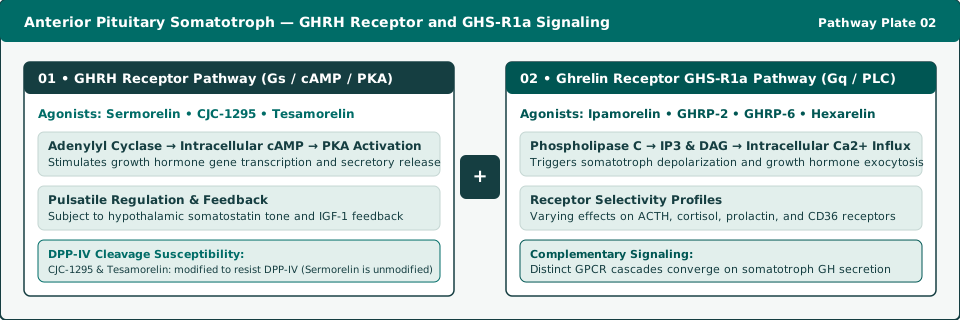
The GHS-R1a receptor exhibits constitutive activity, meaning it can signal in the absence of ligand binding, although binding of agonists such as GHRP-6 or the endogenous ligand ghrelin significantly amplifies this activity. The receptor couples primarily to Gq proteins, initiating signaling cascades that involve phospholipase C activation, inositol trisphosphate (IP3) production, and mobilization of intracellular calcium stores. These signaling events ultimately trigger the exocytosis of growth hormone-containing vesicles from somatotroph cells.
2.2 Binding Characteristics and Affinity
Radioligand binding studies have characterized the interaction between GHRP-6 and the GHS-R with considerable precision. GHRP-6 demonstrates high-affinity binding to GHS-R1a, with dissociation constants (Kd values) typically in the nanomolar range. The binding interaction involves multiple contact points between the peptide and receptor, including interactions with residues in the transmembrane domains and extracellular loops of the GPCR.
Structure-activity relationship (SAR) studies have elucidated the contribution of individual amino acids in GHRP-6 to receptor binding and activation. The aromatic residues, particularly the tryptophan residues at positions 2 and 4, play crucial roles in binding affinity, likely through hydrophobic interactions with the receptor's binding pocket. The D-amino acid substitutions contribute to both enhanced stability and optimal spatial positioning of key functional groups for receptor engagement. Modifications to any of these positions generally result in reduced binding affinity or functional activity, underscoring the optimized nature of the GHRP-6 structure.
2.3 Signal Transduction Pathways
Upon binding to GHS-R1a, GHRP-6 initiates a complex array of intracellular signaling events. The primary pathway involves activation of phospholipase C-beta (PLCbeta) through Gq protein coupling, leading to the hydrolysis of phosphatidylinositol 4,5-bisphosphate (PIP2) into diacylglycerol (DAG) and inositol 1,4,5-trisphosphate (IP3). IP3 binds to IP3 receptors on the endoplasmic reticulum, causing release of calcium ions into the cytoplasm. This calcium mobilization represents a critical step in the cascade leading to growth hormone secretion.
The elevated intracellular calcium concentration activates various calcium-dependent proteins and processes. In somatotroph cells, this includes activation of calcium-dependent protein kinases and the molecular machinery responsible for vesicle fusion and exocytosis. Additionally, calcium signaling influences gene transcription through calcium-responsive transcription factors, potentially affecting longer-term changes in cellular function.
Beyond the primary Gq-mediated pathway, research has identified additional signaling mechanisms activated by GHRP-6 binding to GHS-R1a. These include activation of mitogen-activated protein kinase (MAPK) pathways, including ERK1/2, which may contribute to proliferative and differentiative effects observed in certain cell types. The receptor also demonstrates the capacity for signaling through beta-arrestin-mediated pathways, representing a distinct mode of GPCR signaling that can occur independent of G protein activation.
2.4 Receptor Distribution and Tissue-Specific Effects
While GHS-R1a is most abundantly expressed in the hypothalamus and pituitary gland, where it mediates the growth hormone-releasing effects of GHRP-6, the receptor has been detected in various other tissues throughout the body. Significant expression has been documented in the hippocampus and other brain regions, the gastrointestinal tract, heart, lung, pancreas, and adipose tissue. This widespread distribution suggests that GHRP-6 may exert effects beyond growth hormone release, contributing to diverse physiological processes.
In the hypothalamus, GHS-R1a is expressed on neurons that produce and release various neuropeptides, including growth hormone-releasing hormone, neuropeptide Y, and agouti-related peptide. The interaction of GHRP-6 with receptors in this region can influence not only growth hormone secretion but also appetite regulation, energy homeostasis, and other neuroendocrine functions. The presence of functional GHS-R in peripheral tissues suggests potential effects on cardiovascular function, glucose metabolism, and other physiological parameters that have been investigated in research contexts.
3. Physiological Effects and Biological Activities
3.1 Growth Hormone Secretion
The primary and most extensively documented effect of GHRP-6 is its capacity to stimulate growth hormone release from the anterior pituitary gland. This effect has been demonstrated across multiple species, including rodents, pigs, dogs, non-human primates, and humans, indicating a conserved mechanism of action. The GH-releasing potency of GHRP-6 is substantial, with studies showing that the peptide can elicit GH secretion with greater magnitude than equivalent doses of GHRH in many experimental paradigms.
The kinetics of GH release following GHRP-6 administration have been characterized in detail through time-course studies. Following subcutaneous or intravenous administration, GH levels typically begin to rise within 15-30 minutes, reach peak concentrations between 30-60 minutes, and return toward baseline over the subsequent 2-3 hours. The magnitude and duration of the response are dose-dependent, with higher doses producing greater and more sustained elevations in circulating GH concentrations.
An important characteristic of GHRP-6-induced GH release is its pulsatile nature, which more closely mimics the physiological pattern of GH secretion compared to continuous administration approaches. This pulsatile stimulation may have implications for downstream effects, as research has indicated that the pattern of GH exposure can influence its biological effects on target tissues. The ability of GHRP-6 to work synergistically with GHRH represents another notable feature, with combined administration of both peptides producing GH responses that exceed the sum of their individual effects, suggesting complementary mechanisms of action.
3.2 Effects on IGF-1 Production
Growth hormone exerts many of its physiological effects through stimulation of insulin-like growth factor 1 (IGF-1) production, primarily in the liver but also in various other tissues. Studies examining the effects of GHRP-6 administration have consistently demonstrated increases in circulating IGF-1 concentrations, though these changes typically manifest over a longer timeframe than the acute GH response, reflecting the time required for GH to stimulate IGF-1 synthesis and secretion.
Research in animal models has shown that repeated administration of GHRP-6 over periods of days to weeks results in sustained elevations in IGF-1 levels. The magnitude of this increase varies depending on factors including dose, frequency of administration, species, age, and nutritional status of the research subjects. The elevation in IGF-1 represents a critical mediator of many downstream effects associated with enhanced GH secretion, as IGF-1 acts on numerous target tissues to promote anabolic processes, influence metabolism, and modulate various cellular functions.
3.3 Metabolic Effects
The growth hormone and IGF-1 elevations induced by GHRP-6 administration produce wide-ranging metabolic effects that have been documented in various research contexts. These effects generally align with the known metabolic actions of GH, which include promotion of lipolysis, enhancement of protein synthesis, and modulation of carbohydrate metabolism.
Studies examining adipose tissue metabolism have demonstrated that GHRP-6 administration can enhance lipolysis, the breakdown of triglycerides stored in adipocytes into free fatty acids and glycerol. This effect reflects the action of GH on adipose tissue, where it activates hormone-sensitive lipase and other enzymes involved in lipid mobilization. Research in animal models has shown reductions in fat mass and alterations in body composition following extended GHRP-6 treatment, though the magnitude of these effects varies with experimental conditions.
The effects of GHRP-6 on protein metabolism have been investigated in various tissues. Research indicates that the peptide can promote positive nitrogen balance and enhance protein synthesis rates, consistent with the anabolic actions of GH and IGF-1. Studies in skeletal muscle tissue have documented increases in protein synthesis markers following GHRP-6 administration, along with evidence of enhanced muscle protein accretion in some experimental paradigms.
Carbohydrate metabolism represents another area where GHRP-6 exerts effects through GH stimulation. Growth hormone generally antagonizes insulin action in certain contexts, and studies have documented changes in glucose metabolism, insulin sensitivity, and glucose tolerance following GHRP-6 administration. The complexity of these effects reflects the multiple levels at which GH influences glucose homeostasis, including effects on hepatic glucose production, peripheral glucose uptake, and pancreatic function.
3.4 Cardiovascular Effects
Research has identified various cardiovascular effects associated with GHRP-6 administration, some of which may be mediated by GH/IGF-1 elevation while others might reflect direct actions through GHS-R expressed in cardiovascular tissues. Studies in animal models have examined cardiac function, vascular reactivity, and blood pressure regulation in response to GHRP-6 treatment.
Investigations of cardiac effects have documented changes in cardiac contractility, heart rate, and cardiac output following GHRP-6 administration. Some studies have reported positive inotropic effects, with increases in the force of cardiac contraction. Research examining cardiac tissue has also identified changes in expression of genes related to calcium handling, contractile proteins, and metabolic enzymes, suggesting that GHRP-6 might influence cardiac function through multiple mechanisms.
Vascular effects have been documented in various experimental systems. Studies have examined endothelial function, vascular smooth muscle reactivity, and blood flow regulation in response to GHRP-6. Some research has suggested that the peptide may influence nitric oxide signaling, a critical regulator of vascular tone and function. The presence of GHS-R in vascular tissues provides a potential mechanism for direct vascular effects independent of GH release.
3.5 Neuroprotective and Cognitive Effects
The expression of GHS-R in various brain regions, particularly the hippocampus, has prompted investigation into potential neurological effects of GHRP-6. Research in this area has examined neuroprotection, neuroplasticity, cognitive function, and other aspects of brain function in relation to GHRP-6 administration.
Studies in cell culture models have investigated the effects of GHRP-6 on neuronal survival under various stress conditions. Research has documented protective effects against oxidative stress, excitotoxicity, and other insults in some experimental paradigms. The mechanisms underlying these protective effects appear to involve activation of survival signaling pathways, modulation of calcium homeostasis, and potential effects on mitochondrial function.
Animal studies have examined cognitive and behavioral effects of GHRP-6 using various testing paradigms. Some research has reported improvements in learning and memory performance in rodent models, assessed through tasks such as the Morris water maze, novel object recognition, and other cognitive assessments. These findings have prompted interest in the potential role of GHS-R signaling in cognitive function and brain plasticity.
3.6 Immune System Modulation
Research has identified interactions between GHRP-6 and immune system function, reflecting both the immunomodulatory properties of GH/IGF-1 and potential direct effects through GHS-R expressed in immune tissues. Studies have examined various aspects of immune function, including inflammatory responses, immune cell proliferation, and cytokine production in response to GHRP-6 treatment.
Investigations of inflammatory processes have documented effects of GHRP-6 on markers of inflammation in various experimental models. Some studies have reported anti-inflammatory effects, with reductions in pro-inflammatory cytokines and amelioration of inflammatory tissue damage in certain contexts. The mechanisms underlying these effects may involve modulation of immune cell signaling, effects on inflammatory mediator production, and potential influences on the inflammatory microenvironment.
Research examining immune cell function has investigated the effects of GHRP-6 on lymphocyte proliferation, macrophage activity, and other immune parameters. The GH/IGF-1 axis is known to influence immune function, and studies have documented various effects on immune cell populations and function following GHRP-6 administration. The presence of GHS-R in certain immune cell types provides a potential mechanism for direct effects on immune function.
3.7 Bone and Connective Tissue Effects
The well-established role of GH and IGF-1 in bone and connective tissue metabolism has prompted investigation into the effects of GHRP-6 on these tissues. Research has examined bone formation, bone density, cartilage metabolism, and collagen synthesis in relation to GHRP-6 administration in various experimental models.
Studies of bone metabolism have documented effects on markers of bone formation and bone resorption following GHRP-6 treatment. Research in animal models has examined bone mineral density, bone microarchitecture, and biomechanical properties in response to GHRP-6 administration. The effects observed generally align with the known actions of GH and IGF-1 on bone tissue, including stimulation of osteoblast activity and enhancement of bone formation processes.
Investigations of cartilage and connective tissue have examined the effects of GHRP-6 on chondrocyte function, proteoglycan synthesis, and collagen production. Studies have documented enhanced expression of cartilage matrix components and increased proliferation of chondrocytes in some experimental systems. Research has also investigated potential effects on wound healing and tissue repair processes, areas where GH and IGF-1 play important roles.
4. Research Applications and Experimental Methodologies
4.1 Endocrinology Research
GHRP-6 has proven to be a valuable tool in endocrinology research, particularly for investigating the regulation of growth hormone secretion and the broader GH/IGF-1 axis. Researchers have utilized GHRP-6 to probe the mechanisms controlling somatotroph function, to examine the integration of different GH secretagogues, and to investigate the physiological and pathophysiological aspects of GH regulation.
Studies comparing the effects of GHRP-6 with those of GHRH have provided insights into the distinct and complementary mechanisms by which these two secretagogues stimulate GH release. Research has demonstrated that while GHRH acts primarily through cAMP signaling pathways, GHRP-6 operates through calcium mobilization mechanisms, and that these pathways can work synergistically to produce robust GH secretion. This complementarity has been exploited in various experimental designs to maximize GH responses or to dissect the contributions of different signaling mechanisms.
Investigations of the neuroendocrine control of GH secretion have employed GHRP-6 to examine hypothalamic-pituitary interactions. Research has used the peptide to study the roles of various hypothalamic factors in modulating GH release, including the inhibitory influence of somatostatin. Studies have demonstrated that the GH-releasing effects of GHRP-6 can be attenuated by somatostatin, providing evidence for the integration of stimulatory and inhibitory signals in controlling somatotroph function.
4.2 Metabolism Research
The metabolic effects of GHRP-6, mediated primarily through GH and IGF-1 elevation, have made it useful in research examining various aspects of metabolism. Studies have utilized GHRP-6 to investigate lipid metabolism, protein turnover, glucose homeostasis, and overall energy balance in different physiological and pathophysiological states.
Research in obesity and body composition has employed GHRP-6 to examine the regulation of adipose tissue mass and the factors influencing fat distribution. Studies in animal models of obesity have investigated whether GHRP-6 administration can modify body composition, examining changes in fat mass, lean mass, and metabolic parameters. These investigations have contributed to understanding the role of the GH/IGF-1 axis in metabolic regulation and energy homeostasis.
Studies of protein metabolism have utilized GHRP-6 to investigate anabolic processes in various tissues. Research has examined muscle protein synthesis, whole-body nitrogen retention, and the expression of genes involved in protein synthesis and degradation in response to GHRP-6 treatment. These studies have provided insights into the mechanisms by which GH and IGF-1 promote anabolic effects and maintain protein homeostasis.
4.3 Aging and Longevity Research
The progressive decline in GH secretion with aging, a phenomenon sometimes termed "somatopause," has prompted investigation into whether interventions targeting the GH/IGF-1 axis might influence aging processes. GHRP-6 has been employed in research examining age-related changes in various physiological systems and investigating the potential role of GH decline in these changes.
Studies in aged animal models have examined whether GHRP-6 administration can reverse or ameliorate certain age-related changes. Research has investigated effects on body composition, bone density, immune function, cognitive performance, and other parameters that typically decline with advancing age. These investigations have contributed to understanding the relationship between GH status and aging processes, though they have also highlighted the complexity of aging biology and the limitations of single-factor interventions.
Research examining mechanisms of aging has utilized GHRP-6 as a tool to manipulate GH/IGF-1 status and observe effects on cellular and molecular markers of aging. Studies have investigated effects on oxidative stress, cellular senescence, autophagy, and other processes implicated in aging biology. This research has provided insights into the multifaceted role of the GH/IGF-1 axis in aging while also revealing areas requiring further investigation.
4.4 Tissue Repair and Regeneration Research
The involvement of GH and IGF-1 in tissue repair processes has prompted research into whether GHRP-6 administration might enhance healing and regeneration in various contexts. Studies have examined wound healing, bone fracture repair, muscle regeneration following injury, and other reparative processes in relation to GHRP-6 treatment.
Investigations of wound healing have employed various experimental models to assess the effects of GHRP-6 on different phases of the healing process. Research has examined effects on inflammatory responses, cell proliferation, angiogenesis, collagen deposition, and wound remodeling. Studies have documented changes in healing parameters in some experimental systems, though results have varied depending on wound type, model system, and treatment regimen.
Research examining skeletal muscle regeneration has investigated whether GHRP-6 administration influences recovery following muscle injury. Studies have assessed satellite cell activation, myoblast proliferation, muscle fiber regeneration, and functional recovery in animal models of muscle injury. These investigations have contributed to understanding the role of the GH/IGF-1 axis in muscle repair processes.
4.5 Neuroscience Research
The presence of GHS-R in brain regions involved in cognition, emotion, and other functions has prompted neuroscience research utilizing GHRP-6 as a tool to investigate the role of this receptor system in brain function. Studies have examined effects on neuronal signaling, synaptic plasticity, neurogenesis, and behavior in various experimental paradigms.
Research investigating hippocampal function has utilized GHRP-6 to examine effects on learning and memory processes. Studies have employed behavioral tasks assessing different forms of memory, including spatial memory, recognition memory, and associative learning. Electrophysiological investigations have examined effects on long-term potentiation and other forms of synaptic plasticity thought to underlie memory formation.
Investigations of neuroprotection have employed GHRP-6 in models of neurological injury or degeneration. Research has examined effects in models of stroke, traumatic brain injury, neurodegenerative diseases, and other conditions affecting brain function. These studies have assessed neuronal survival, inflammatory responses, oxidative stress, and functional outcomes in relation to GHRP-6 treatment.
4.6 Receptor Pharmacology Research
GHRP-6 has served as an important tool in research characterizing the GHS-R and investigating the pharmacology of this receptor system. Studies have utilized GHRP-6 in receptor binding assays, functional studies of receptor signaling, and investigations of receptor structure-function relationships.
Research employing radioligand binding techniques has used radiolabeled GHRP-6 to characterize receptor distribution, density, and binding properties in various tissues. These studies have provided fundamental information about GHS-R expression patterns and binding characteristics. Competition binding studies using GHRP-6 and other ligands have helped characterize the pharmacological profile of the receptor and identify structure-activity relationships.
Functional studies of GHS-R signaling have employed GHRP-6 as a standard agonist for investigating various aspects of receptor activation and signal transduction. Research has examined coupling to different G proteins, activation of downstream signaling pathways, receptor desensitization and internalization, and other aspects of GPCR function using GHRP-6 as a tool compound.
5. Experimental Considerations and Methodological Aspects
5.1 Administration Routes and Pharmacokinetics
The administration route of GHRP-6 significantly influences its pharmacokinetics and biological effects. Research has examined various routes including subcutaneous, intravenous, intraperitoneal, intranasal, and oral administration, each presenting distinct advantages and limitations for experimental applications.
Subcutaneous administration represents a commonly employed route in research settings, providing relatively sustained absorption compared to intravenous injection while remaining technically straightforward. Studies have characterized the absorption kinetics following subcutaneous injection, documenting time to peak plasma concentrations and duration of detectable levels. The bioavailability via this route is generally high, though specific values vary among species.
Intravenous administration provides rapid delivery with complete bioavailability, making it useful for studies requiring precise timing or examining acute effects. Research has documented the rapid onset of effects following intravenous injection, with GH elevations detectable within minutes. The plasma half-life of GHRP-6 is relatively short, typically reported in the range of 15-30 minutes, necessitating consideration of timing in experimental designs.
Investigations of alternative administration routes have examined intranasal delivery as a non-invasive approach that may provide access to the central nervous system. Studies have documented biological effects following intranasal GHRP-6 administration, though bioavailability by this route appears lower than parenteral routes. Research has also explored oral administration, though the peptide nature of GHRP-6 presents challenges for oral bioavailability due to enzymatic degradation in the gastrointestinal tract.
5.2 Experimental Dosing Parameters
The dose-response relationship for GHRP-6 has been characterized in various species and experimental contexts. Studies have documented that the magnitude of GH release increases with dose, though the relationship is typically not linear across the full dose range. Preclinical and laboratory investigations have employed doses ranging from approximately 0.1 to 1.0 mg/kg body weight in animal models, with specific experimental concentrations selected based on the species, administration route, and research objectives.
Research has identified biological variables that influence experimental responsiveness across models. These include the species being studied, as there is considerable variation in sensitivity to GHRP-6 among different species. Age represents another important factor, with studies documenting differences in responsiveness between young and aged subjects. Physiological state, including factors such as nutritional status, circadian timing, and hormonal milieu, can also influence the response to a given experimental concentration.
Studies examining repeated administration have investigated dosing frequency and duration in preclinical models, employing regimens ranging from single-dose acute studies to chronic administration over weeks or months to evaluate receptor desensitization and somatotropic adaptation.
5.3 Species Considerations
GHRP-6 has been studied across a wide range of species, including rodents (rats and mice), pigs, dogs, sheep, cattle, non-human primates, and humans. While the fundamental mechanism of action through GHS-R activation is conserved across species, there are important differences in potency, receptor expression patterns, and physiological responses that must be considered in experimental design and interpretation.
Rodent models, particularly rats, have been extensively employed in GHRP-6 research due to practical advantages including size, cost, genetic tools available, and extensive background knowledge. Research in rats has characterized the basic pharmacology of GHRP-6, examined various physiological effects, and investigated potential applications. Mouse models have been utilized particularly for studies taking advantage of genetic modifications, including knockout and transgenic animals.
Large animal models have been employed for research where their physiological similarity to humans provides advantages over rodent models. Studies in pigs have investigated various aspects of GHRP-6 effects, with this species offering advantages for metabolic and cardiovascular research. Research in dogs has examined cardiac effects and other parameters, while studies in sheep and cattle have contributed to understanding metabolic and endocrine responses.
5.4 Assay Methods and Outcome Measures
Research employing GHRP-6 has utilized diverse assay methods and outcome measures appropriate to the specific objectives of each study. The selection of appropriate methods and measures is critical for obtaining valid and interpretable results.
Measurement of growth hormone represents the most common primary outcome in GHRP-6 research. Immunoassays, including radioimmunoassay (RIA) and enzyme-linked immunosorbent assay (ELISA), have been employed to quantify GH concentrations in blood samples. These assays must be species-specific, as GH structure varies among species. The timing of sample collection is critical, given the pulsatile nature of GH secretion and the kinetics of GHRP-6-induced GH release.
Assessment of IGF-1 provides information on a key mediator of GH effects. Immunoassays for IGF-1 require consideration of binding proteins that can interfere with measurement, leading to the development of methods involving acid-ethanol extraction or other approaches to dissociate IGF-1 from binding proteins prior to assay.
Metabolic assessments employed in GHRP-6 research have included measurements of body composition (using techniques such as dual-energy X-ray absorptiometry or magnetic resonance imaging), indirect calorimetry to assess energy expenditure and substrate utilization, glucose tolerance testing, and measurement of various circulating metabolites and hormones. The selection of appropriate metabolic measures depends on the specific hypotheses being tested.
Molecular and cellular analyses have been employed to examine mechanisms of GHRP-6 effects. Techniques including Western blotting, quantitative PCR, immunohistochemistry, and various cell culture assays have been utilized to assess effects on signaling pathways, gene expression, protein levels, and cellular functions. In vitro studies using cultured cells have enabled detailed mechanistic investigations, though these must be interpreted in the context of the more complex in vivo environment.
5.5 Control Conditions and Experimental Design
Rigorous experimental design is essential for valid interpretation of GHRP-6 research findings. Appropriate control conditions must be included to account for factors such as injection stress, vehicle effects, and temporal variations in physiological parameters.
Vehicle control groups receiving the same treatment except for the active peptide are essential for distinguishing effects of GHRP-6 from effects of the administration procedure itself. The choice of vehicle (commonly saline or buffered solutions) should be appropriate for the peptide and administration route. Sham injection groups may be included to control for handling and injection stress, particularly important given that stress can influence GH secretion and other parameters that might be affected by GHRP-6.
Consideration of circadian rhythms is important in GHRP-6 research, as GH secretion exhibits diurnal patterns and responsiveness to secretagogues may vary with time of day. Studies should either control for time of day by conducting all procedures at the same time or explicitly examine circadian effects as an experimental variable.
Sample size determination based on power analysis is essential for ensuring studies have adequate statistical power to detect meaningful effects while avoiding unnecessarily large group sizes. The variability of the primary outcome measure and the expected effect size inform the required sample size. Studies should specify their sample size rationale and statistical approach a priori.
6. Comparative Analysis with Related Compounds
6.1 GHRP-6 versus GHRH
Comparing GHRP-6 with growth hormone-releasing hormone provides insights into the distinct mechanisms and characteristics of these two GH secretagogues. While both stimulate GH release, they do so through different receptors and signaling pathways, resulting in both similarities and differences in their effects.
GHRH acts through a specific GHRH receptor that couples primarily to Gs proteins and activates adenylyl cyclase, leading to increased cAMP production. This contrasts with the Gq-coupled, calcium-mobilizing mechanism of GHRP-6 acting through GHS-R. This mechanistic difference has important implications for the characteristics of GH release and the potential for synergistic effects when both secretagogues are administered together.
Studies directly comparing GHRP-6 and GHRH have documented differences in potency, with GHRP-6 generally eliciting more robust GH responses at equivalent molar doses in many experimental systems. The synergistic interaction between GHRP-6 and GHRH has been extensively documented, with combined administration producing GH responses substantially greater than additive effects, suggesting complementary mechanisms of action at the cellular level.
6.2 GHRP-6 versus Other GHRPs
Within the family of growth hormone-releasing peptides, GHRP-6 can be compared with related compounds including GHRP-1, GHRP-2, and others. These comparisons reveal structure-activity relationships and help define the pharmacological characteristics that distinguish individual GHRPs.
GHRP-2 shares structural similarities with GHRP-6 but exhibits differences in potency and selectivity. Studies have generally found GHRP-2 to be more potent than GHRP-6 in stimulating GH release, requiring lower doses to achieve equivalent effects. However, GHRP-6 has been reported to have certain advantages in terms of selectivity and side effect profile in some contexts.
Comparisons with hexarelin, another member of the GHRP family, have identified both similarities and differences. Hexarelin demonstrates high potency in stimulating GH release and has been extensively studied for cardiovascular effects. Research comparing these compounds has contributed to understanding structure-activity relationships and the range of effects that can be achieved through GHS-R activation.
6.3 GHRP-6 versus Ghrelin
The discovery of ghrelin as the endogenous ligand for GHS-R prompted comparisons between this natural peptide and synthetic GHRPs like GHRP-6. While both compounds activate the same receptor, they exhibit some differences in their effects and characteristics.
Ghrelin is a 28-amino acid peptide that requires acylation (addition of an octanoyl group) for full activity at GHS-R, whereas GHRP-6 does not require post-translational modification. Both compounds stimulate GH release through GHS-R activation, though studies have documented some differences in the magnitude and kinetics of GH release between the two peptides in certain experimental contexts.
Beyond GH release, ghrelin has prominent effects on appetite and energy balance, mediated through actions in the hypothalamus and other brain regions. While GHRP-6 can also influence appetite-related parameters, research has generally found these effects to be less pronounced than those of ghrelin. These differences may reflect variations in receptor activation profiles, access to specific brain regions, or interactions with other signaling systems.
6.4 GHRP-6 versus Non-Peptide Secretagogues
The development of non-peptide GH secretagogues, small molecules that activate GHS-R, has provided additional tools for research and enabled comparisons with peptide secretagogues like GHRP-6. Compounds such as ipamorelin and MK-677 represent this class of GHS-R agonists.
Non-peptide secretagogues offer certain advantages over peptides, including potential for oral bioavailability and generally longer half-lives. MK-677, for example, has a half-life of several hours compared to the much shorter half-life of GHRP-6, and is associated with more sustained GH elevation. However, peptide secretagogues like GHRP-6 provide advantages in certain research applications, including more precise temporal control of GH stimulation and potentially different profiles of receptor activation.
Comparative studies have examined differences in the pattern and duration of GH release between peptide and non-peptide secretagogues. Research has also investigated whether there are differences in selectivity or secondary effects beyond GH release that might influence the choice of compound for specific research applications.
7. Limitations and Important Considerations
7.1 Methodological Limitations
Research employing GHRP-6 is subject to various methodological limitations that must be considered in interpreting findings. The relatively short half-life of the peptide presents challenges for achieving sustained effects and necessitates careful consideration of dosing regimens in chronic studies. The need for injection administration in most research contexts may introduce stress-related effects that must be controlled for through appropriate experimental design.
Variability in responses to GHRP-6 among individuals represents another consideration. Research has documented substantial inter-individual variation in the magnitude of GH response to GHRP-6, likely reflecting differences in factors such as receptor expression, somatostatin tone, age, and other physiological parameters. This variability necessitates adequate sample sizes and appropriate statistical approaches to detect effects reliably.
The complexity of the GH/IGF-1 axis and its interactions with other endocrine systems presents challenges for isolating specific effects of GHRP-6. Growth hormone influences multiple physiological systems and is itself influenced by numerous regulatory factors. Distinguishing direct effects of GHRP-6 from secondary effects mediated through GH, IGF-1, or other factors requires carefully designed studies with appropriate mechanistic investigations.
7.2 Translation Across Species
While research in animal models has provided valuable insights into GHRP-6 mechanisms and effects, translation of findings across species requires caution. Differences in GHS-R expression patterns, GH regulation, metabolism, and other factors among species mean that results obtained in one species may not directly predict findings in another species.
Rodent models, while valuable for mechanistic studies and initial characterization of effects, differ from larger mammals in important ways that may influence GHRP-6 responses. Differences in metabolic rate, body composition regulation, and lifespan characteristics must be considered when extrapolating findings from rodent studies.
Research in large animal models and non-human primates has provided important information that may be more readily translatable, given greater physiological similarity to humans. However, even among primates, there are differences in GH structure and regulation that necessitate careful interpretation of comparative findings.
7.3 Off-Target Effects
While GHRP-6 is generally considered a selective GHS-R agonist, research has identified potential interactions with other targets that may contribute to some observed effects. Studies have documented binding of GHRP-6 to CD36, a scavenger receptor involved in lipid metabolism and other functions, raising questions about whether some effects might be mediated through non-GHS-R mechanisms.
The concentration-dependence of various effects provides information about the selectivity of GHRP-6. Effects observed at low concentrations consistent with GHS-R binding affinity are most likely to be mediated through this receptor, while effects requiring higher concentrations might reflect interactions with other targets. Careful dose-response studies and use of selective antagonists or knockout models can help clarify the mechanisms underlying specific effects.
7.4 Regulatory Considerations
GHRP-6 is an unapproved research compound. On FDA's bulk drug substances page current as of April 22, 2026, GHRP-6 remains in Category 2 for Section 503B compounding; this listing is not FDA approval. GHRP-6 is prohibited by WADA under Class S2.
The peptide's classification and regulatory status vary among jurisdictions, requiring researchers to understand and comply with local requirements. Proper documentation, handling, storage, and disposal procedures must be followed in accordance with institutional and regulatory requirements.
8. Future Research Directions
8.1 Mechanistic Investigations
Despite substantial progress in understanding GHRP-6 mechanisms, numerous questions remain that warrant further investigation. Detailed structural studies examining the interaction between GHRP-6 and GHS-R at atomic resolution could provide insights into receptor activation mechanisms and inform structure-based design of new compounds. Research examining receptor signaling in greater detail, including investigation of biased agonism and differential activation of signaling pathways, could reveal new aspects of GHRP-6 pharmacology.
The potential for tissue-specific effects of GHRP-6, beyond those mediated through circulating GH and IGF-1, warrants further investigation. Studies examining direct effects in peripheral tissues expressing GHS-R could identify new mechanisms and potential applications. Research investigating interactions between GHS-R signaling and other signaling systems could provide insights into the integration of GHRP-6 effects with other regulatory mechanisms.
8.2 Long-Term Studies
Most research on GHRP-6 has examined relatively short-term effects, ranging from acute single-dose studies to chronic administration over several weeks. Extended studies examining effects over longer timeframes could provide important information about sustained responses, potential adaptation or tolerance, and long-term outcomes. Such research could address questions about the durability of various effects and the stability of physiological responses to chronic GHS-R activation.
Lifespan studies in animal models could investigate whether GHRP-6 influences longevity or age-related disease processes. Given the complexity of aging biology and the multiple systems influenced by the GH/IGF-1 axis, such studies would need to be carefully designed with comprehensive outcome assessments and appropriate controls.
8.3 Combination Studies
Research examining combinations of GHRP-6 with other compounds could identify synergistic effects or novel applications. The well-documented synergy between GHRP-6 and GHRH has been extensively studied, but combinations with other factors remain largely unexplored. Studies examining combinations with metabolic modulators, neuroprotective agents, or other compounds could reveal new research applications.
Investigation of optimal experimental regimens and administration schedules for achieving specific outcomes represents another area for further research. Studies examining pulsatile versus continuous exposure, different dosing frequencies, and timing relative to circadian rhythms could optimize research protocols and provide insights into GH physiology.
8.4 Novel Applications
Emerging areas of biology may provide new contexts for GHRP-6 research. Investigation of effects on mitochondrial function, cellular senescence, stem cell biology, and other contemporary research topics could reveal new aspects of GHS-R signaling and identify novel applications for this compound.
Research examining effects in disease models remains an important area for investigation. While substantial work has examined GHRP-6 in various pathological contexts, many disease models remain to be explored. Studies in models of metabolic disorders, cardiovascular disease, neurological conditions, and other pathologies could provide insights into disease mechanisms and the role of GHS-R signaling in different pathological states.
8.5 Development of Improved Derivatives
Structure-activity relationship studies could inform the design of GHRP-6 derivatives with improved properties for research applications. Modifications aimed at enhancing stability, altering pharmacokinetics, improving selectivity, or achieving biased receptor activation could generate new tools with advantages over the parent compound.
Development of fluorescently labeled or otherwise tagged derivatives could enable new types of studies examining receptor localization, trafficking, and dynamics. Such tools could provide insights into GHS-R biology and facilitate research applications requiring visualization or tracking of the peptide.
9. Conclusion
GHRP-6 represents a valuable research tool that has contributed substantially to understanding growth hormone regulation, GHS-R biology, and the physiological roles of the GH/IGF-1 axis. As a synthetic hexapeptide with the capacity to potently stimulate GH release through activation of the growth hormone secretagogue receptor, GHRP-6 has enabled investigations across diverse areas of physiology and pathophysiology.
The molecular mechanism of GHRP-6 action, involving high-affinity binding to GHS-R1a and activation of Gq-coupled signaling pathways leading to calcium mobilization and growth hormone secretion, has been well characterized through extensive research. The peptide's effects extend beyond GH release to encompass influences on metabolism, cardiovascular function, neurological processes, immune function, and other physiological systems. These diverse effects reflect both the actions of elevated GH and IGF-1 and potential direct effects through GHS-R expressed in various tissues.
Research applications of GHRP-6 have spanned endocrinology, metabolism, neuroscience, aging biology, tissue repair, and other fields. The compound has proven useful for investigating fundamental aspects of GH regulation, examining metabolic control mechanisms, exploring neuroprotection and cognitive function, and studying various other physiological processes. Comparative studies with GHRH, other GHRPs, ghrelin, and non-peptide secretagogues have helped define the unique characteristics of GHRP-6 and its place within the broader landscape of growth hormone secretagogues.
Methodological considerations in GHRP-6 research include appropriate selection of administration routes, experimental regimens, species models, and outcome measures. Experimental design must account for factors such as circadian rhythms, inter-individual variability, and the complex regulation of the GH/IGF-1 axis. Limitations of current research include challenges in translating findings across species, potential off-target effects at high concentrations, and the complexity of distinguishing direct from indirect effects.
Future research directions include detailed mechanistic investigations of GHS-R signaling, long-term studies examining sustained effects and potential influences on aging, combination studies with other compounds, exploration of novel applications in emerging areas of biology, and development of improved derivatives with enhanced properties. These investigations will continue to expand understanding of GHRP-6 and GHS-R biology while identifying new research applications for this compound.
The body of research on GHRP-6 accumulated over several decades has established this peptide as an important tool for investigating growth hormone regulation and related physiological processes. Continued research employing GHRP-6, along with other GHS-R ligands and complementary approaches, will further elucidate the roles of this receptor system in physiology and pathophysiology. As understanding of GHS-R signaling mechanisms deepens and new research applications emerge, GHRP-6 will continue to serve as a valuable instrument for scientific investigation.
The comprehensive examination of GHRP-6 presented in this review demonstrates the substantial scientific interest in this compound and the significant contributions it has made to multiple fields of biomedical research. From its initial development as a synthetic growth hormone secretagogue to its current applications across diverse areas of investigation, GHRP-6 exemplifies how carefully designed synthetic peptides can serve as powerful tools for advancing scientific understanding. The ongoing evolution of research employing GHRP-6 continues to yield further insights into the complex biology of growth hormone regulation and the multifaceted roles of the GH/IGF-1 axis in health and disease.
References
Note: This academic review synthesizes information from the scientific literature on GHRP-6. A comprehensive reference list would include primary research articles, review papers, and other scholarly sources covering the topics discussed above. Researchers are encouraged to consult the peer-reviewed literature for specific citations and detailed experimental data.