
Peptide Therapeutics: A Comprehensive Research Overview
The landscape of peptide-based therapeutics has undergone substantial evolution over the past three decades, transitioning from a niche area of pharmaceutical research to a cornerstone of modern drug development. Peptides, defined as short chains of amino acids linked by peptide bonds, represent a unique class of bioactive molecules that bridge the gap between small-molecule drugs and large protein therapeutics. The biotechpharma.org research database serves as a comprehensive repository of peer-reviewed literature, clinical trial data, and mechanistic studies examining the therapeutic potential of bioactive peptides across multiple disease states and physiological systems.
Current estimates suggest that over 80 FDA-approved peptide drugs are available in clinical practice, with peptide therapeutics in various stages of clinical development [1]. This database provides academic researchers, pharmaceutical scientists, and clinical investigators with systematically organized access to literature reviews, molecular characterization studies, pharmacokinetic analyses, and translational research findings. Our archival methodology emphasizes rigorous peer-review standards, reproducibility of experimental protocols, and transparent reporting of both positive and negative study outcomes.
Database Architecture and Curation Methodology
The biotechpharma.org platform employs systematic literature review protocols aligned with PRISMA (Preferred Reporting Items for Systematic Reviews and Meta-Analyses) guidelines to ensure comprehensive coverage and minimize selection bias. Each peptide entry undergoes multi-stage curation involving: (1) systematic database searches across PubMed, Web of Science, and Scopus; (2) independent screening by qualified researchers; (3) data extraction using standardized templates; (4) quality assessment using validated instruments such as the Cochrane Risk of Bias tool; and (5) peer verification of extracted findings. This rigorous approach ensures that researchers accessing our database receive high-quality, evidence-based information suitable for grant applications, literature reviews, and protocol development.
The platform currently maintains detailed research profiles for 27 therapeutically relevant peptides, including growth hormone secretagogues such as Ipamorelin and CJC-1295, tissue repair peptides including BPC-157 and TB-500, and immunomodulatory compounds such as Thymosin Alpha-1. Each research summary provides comprehensive coverage of molecular mechanisms, preclinical findings, clinical trial outcomes, safety profiles, and translational potential.
Current State of Peptide-Based Drug Development
The pharmaceutical industry's renewed interest in peptide therapeutics reflects several converging technological and scientific advances. Improved synthetic methodologies, including solid-phase peptide synthesis (SPPS) and recombinant DNA technology, have dramatically reduced production costs while enhancing scalability. Concurrently, advances in peptide modification strategies—including PEGylation, cyclization, D-amino acid substitution, and peptide stapling—have addressed historical limitations related to proteolytic degradation, limited oral bioavailability, and rapid renal clearance [2].
Contemporary peptide drug development increasingly leverages rational design principles informed by structural biology, computational chemistry, and high-throughput screening platforms. The integration of artificial intelligence and machine learning algorithms has accelerated the identification of novel bioactive sequences with optimized pharmacological properties. These computational approaches complement traditional medicinal chemistry strategies, enabling researchers to predict peptide-target interactions, optimize binding affinities, and minimize off-target effects prior to costly synthesis and biological evaluation.
Therapeutic Categories and Clinical Applications
Peptide therapeutics demonstrate efficacy across diverse therapeutic areas, including metabolic disorders, oncology, cardiovascular disease, infectious diseases, and immunology. Growth hormone-releasing peptides (GHRPs) and growth hormone-releasing hormone (GHRH) analogs represent well-characterized examples of peptides targeting the somatotropic axis for conditions such as growth hormone deficiency, HIV-associated lipodystrophy, and age-related sarcopenia. Compounds such as Sermorelin and Tesamorelin have demonstrated clinical efficacy in rigorously conducted randomized controlled trials, with favorable safety profiles supporting their continued therapeutic use.
Tissue repair and regenerative medicine applications constitute another major category of peptide therapeutics. Peptides derived from naturally occurring proteins, such as thymosin beta-4 and its synthetic analog TB-500 (Tβ4 fragment), have shown encouraging results in preclinical models of wound healing, angiogenesis, and tissue regeneration [3]. Similarly, the pentadecapeptide BPC-157, derived from body protection compound found in gastric juice, has demonstrated tissue-protective and healing-promoting properties across multiple experimental models, though clinical translation remains under investigation.
Immunomodulatory and Neuropeptide Research
Immunomodulatory peptides represent a rapidly expanding research domain with significant therapeutic potential for autoimmune disorders, chronic infections, and immunosenescence. Thymosin alpha-1, a 28-amino acid peptide isolated from thymosin fraction 5, has been extensively studied for its immunoenhancing properties, with approved indications in multiple countries for hepatitis B and C treatment and as an adjuvant in cancer immunotherapy protocols. The peptide's mechanisms of action include enhancement of T-cell maturation, augmentation of natural killer cell activity, and modulation of cytokine production patterns.
Neuropeptides with potential therapeutic applications in cognitive enhancement, anxiety reduction, and neuroprotection have garnered substantial research attention. Peptides such as Semax and Selank, synthetic derivatives of adrenocorticotropic hormone (ACTH) and tuftsin respectively, have demonstrated cognitive-enhancing and anxiolytic properties in preclinical studies and preliminary clinical investigations [4]. These compounds exemplify the potential for peptide-based interventions in neuropsychiatric conditions, though additional rigorously controlled clinical trials are necessary to establish definitive therapeutic efficacy.
Molecular Mechanisms and Pharmacological Properties
Understanding the molecular mechanisms underlying peptide bioactivity requires comprehensive examination of receptor binding kinetics, signal transduction pathways, and downstream cellular responses. Peptide hormones typically exert their effects through high-affinity binding to G-protein coupled receptors (GPCRs), receptor tyrosine kinases (RTKs), or other cell-surface receptors, initiating cascades of intracellular signaling events. The specificity of peptide-receptor interactions, determined by precise amino acid sequences and three-dimensional conformations, enables targeted therapeutic interventions with reduced off-target effects compared to many small-molecule drugs.
Growth hormone secretagogues, including GHRP-2, GHRP-6, Hexarelin, and Ipamorelin, function as ghrelin receptor agonists, binding to the growth hormone secretagogue receptor type 1a (GHS-R1a) expressed on somatotroph cells of the anterior pituitary. Receptor activation initiates Gαq/11-mediated signaling pathways, resulting in phospholipase C activation, inositol trisphosphate production, intracellular calcium mobilization, and ultimately growth hormone secretion. The selectivity profiles of individual secretagogues vary, with some compounds (e.g., Ipamorelin) demonstrating highly selective GH release without concomitant elevation of prolactin or cortisol, while others exhibit broader endocrine effects [5].
Structure-Activity Relationships and Peptide Optimization
Structure-activity relationship (SAR) studies constitute essential components of peptide drug development, elucidating the relationships between molecular structure and biological activity. Systematic modification of peptide sequences through amino acid substitution, sequence truncation, cyclization, and incorporation of non-natural amino acids enables optimization of pharmacological properties including receptor affinity, selectivity, metabolic stability, and bioavailability. Advanced techniques such as phage display, combinatorial chemistry, and peptidomimetic design have accelerated the identification of optimized sequences with enhanced therapeutic potential.
The copper-binding tripeptide GHK-Cu (glycyl-L-histidyl-L-lysine complexed with copper) exemplifies how metal coordination can modulate peptide bioactivity. Originally identified as a growth-modulating peptide in human plasma, GHK-Cu demonstrates multifaceted biological activities including stimulation of collagen synthesis, enhancement of angiogenesis, modulation of metalloproteinase activity, and antioxidant effects. The copper chelation is critical for many of these biological activities, illustrating the importance of post-translational modifications and cofactor interactions in peptide pharmacology [6].
Research Applications and Clinical Translation
The translation of peptide therapeutics from preclinical research to clinical application requires systematic evaluation through well-designed clinical trial programs. Phase I studies establish safety profiles, maximum tolerated doses, and basic pharmacokinetic parameters in healthy volunteers or patient populations. Phase II trials provide preliminary efficacy data and dose-ranging information, while Phase III studies generate definitive evidence of therapeutic benefit through adequately powered, randomized, controlled trials. The biotechpharma.org database provides comprehensive coverage of published clinical trial outcomes, enabling researchers to assess the current state of clinical evidence for specific peptides and identify knowledge gaps requiring additional investigation.
Regulatory considerations for peptide therapeutics involve complex assessments of manufacturing consistency, analytical characterization, stability, and quality control. Unlike small-molecule drugs with well-defined chemical structures, peptides—particularly those exceeding 40 amino acids—may exhibit microheterogeneity related to synthesis methodology, post-translational modifications, or degradation products. Regulatory agencies including the FDA and EMA have developed specific guidance documents for peptide therapeutics, addressing issues such as comparability testing, impurity profiles, and immunogenicity assessment. Understanding these regulatory frameworks is essential for academic researchers engaged in translational peptide research and seeking to advance compounds toward clinical development.
Pharmacokinetic and Pharmacodynamic Considerations
The pharmacokinetic profiles of peptide therapeutics differ substantially from those of traditional small-molecule drugs, necessitating specialized analytical approaches and dosing strategies. Most unmodified peptides exhibit rapid clearance through proteolytic degradation and renal filtration, resulting in short elimination half-lives typically ranging from minutes to hours. Various modification strategies have been developed to extend peptide half-lives, including conjugation to polyethylene glycol (PEGylation), albumin binding, Fc fusion, and incorporation of non-natural amino acids resistant to proteolytic cleavage.
CJC-1295, a modified GHRH analog containing the Drug Affinity Complex (DAC) technology, exemplifies successful half-life extension strategies. The DAC modification enables reversible binding to serum albumin, dramatically extending the elimination half-life from minutes (native GHRH) to approximately one week, thereby enabling convenient once-weekly administration [7]. Such pharmacokinetic optimization strategies are critical for translating peptides with favorable pharmacodynamic profiles into clinically viable therapeutic agents.
Biomarker Development and Outcome Assessment
Rigorous clinical evaluation of peptide therapeutics requires validated biomarkers and outcome measures capable of detecting clinically meaningful changes in disease states or physiological functions. For growth hormone secretagogues, outcome measures may include serum IGF-1 concentrations, body composition assessments via dual-energy X-ray absorptiometry (DEXA), muscle strength testing, and quality of life questionnaires. For tissue repair peptides, validated wound healing scores, imaging biomarkers, and functional assessments provide objective evidence of therapeutic efficacy.
Safety Profiles and Adverse Event Monitoring
Comprehensive safety assessment constitutes a fundamental component of peptide therapeutic research and clinical application. While peptides generally demonstrate favorable safety profiles compared to many small-molecule drugs—likely related to their high receptor selectivity and endogenous metabolic pathways—potential adverse effects require systematic monitoring and reporting. Common adverse events associated with peptide therapeutics include injection site reactions, transient hormonal fluctuations, and immunogenic responses in rare cases. Long-term safety data from post-marketing surveillance and extended clinical trials provide essential information for risk-benefit assessments.
Immunogenicity represents a particular concern for peptide therapeutics, especially for sequences with limited homology to endogenous human proteins or those incorporating non-natural amino acids. Anti-drug antibodies (ADAs) may develop following repeated peptide administration, potentially neutralizing therapeutic effects or, in rare instances, cross-reacting with endogenous counterparts. Modern analytical platforms employing highly sensitive immunoassays enable detection of ADAs at clinically relevant concentrations, facilitating ongoing immunogenicity risk assessment throughout clinical development programs [8].
Contraindications and Special Populations
Peptide therapeutics may be contraindicated in specific patient populations or clinical scenarios based on their mechanisms of action and physiological effects. Growth hormone secretagogues, for instance, are generally contraindicated in patients with active malignancies due to theoretical concerns regarding IGF-1-mediated tumor promotion, though epidemiological evidence for this association remains inconclusive. Similarly, peptides with angiogenic properties require careful evaluation in patients with proliferative retinopathy or active malignancies. Special populations including pregnant or lactating women, pediatric patients, and individuals with hepatic or renal impairment may require adjusted dosing regimens or additional safety monitoring based on altered pharmacokinetic parameters.
Research Methodologies and Experimental Design
High-quality peptide research requires rigorous experimental design, appropriate statistical analysis, and transparent reporting of methodologies and outcomes. Preclinical studies should employ validated animal models that accurately recapitulate relevant aspects of human disease pathophysiology, with sufficient sample sizes to detect biologically meaningful effects. Randomization, blinding, and appropriate control groups minimize bias and enhance the reproducibility of experimental findings. The biotechpharma.org database emphasizes studies employing robust methodological approaches and provides critical appraisal of study quality to assist researchers in evaluating evidence strength.
In vitro studies examining peptide bioactivity should utilize physiologically relevant cell culture systems, appropriate concentration ranges based on achievable plasma levels, and validated readouts of cellular responses. Mechanistic investigations may employ techniques such as receptor binding assays, signal transduction pathway analysis, gene expression profiling, and proteomics to elucidate molecular mechanisms of action. Integration of multiple experimental approaches—from molecular and cellular studies through in vivo pharmacology and ultimately clinical investigation—provides comprehensive understanding of peptide therapeutic potential.
Analytical Characterization and Quality Control
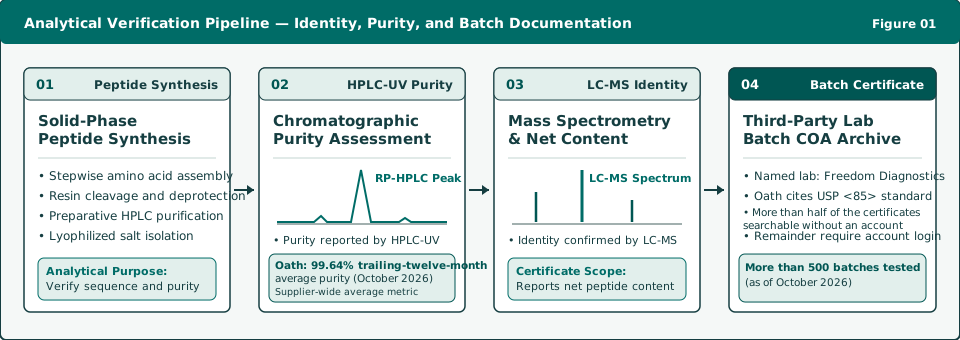
Analytical characterization of peptide therapeutics requires sophisticated instrumentation and validated methodologies to ensure identity, purity, potency, and stability. High-performance liquid chromatography (HPLC), mass spectrometry, amino acid analysis, and peptide mapping techniques provide detailed structural characterization. Bioassays employing cell-based systems or receptor binding studies assess biological activity, while stability studies under various storage conditions inform shelf-life determinations and handling recommendations. Researchers utilizing peptides in academic investigations should employ appropriate analytical methods to verify peptide identity and purity, as sequence errors or impurities may substantially impact experimental outcomes and reproducibility.
Future Directions in Peptide Therapeutics Research
The field of peptide therapeutics continues to evolve rapidly, driven by technological innovations, improved understanding of disease mechanisms, and successful clinical translations. Emerging research areas include development of orally bioavailable peptides through novel formulation strategies and chemical modifications, design of multifunctional peptides targeting multiple receptors or pathways simultaneously, and creation of stimuli-responsive "smart" peptides that activate selectively in disease microenvironments. Advances in peptide stapling, macrocyclization, and incorporation of unnatural amino acids are expanding the druggable chemical space accessible to peptide therapeutics.
The integration of peptide therapeutics with other treatment modalities represents another active frontier. Peptide-drug conjugates (PDCs) combine the targeting specificity of peptides with the cytotoxic potency of small-molecule drugs, enabling selective delivery to disease tissues while minimizing systemic toxicity. Peptide-based vaccines leverage the immunogenicity of specific sequences to generate protective immune responses against infectious diseases or cancer-associated antigens. These innovative approaches illustrate the versatility of peptides as therapeutic platforms and suggest continued expansion of their clinical applications [9].
Personalized Medicine and Precision Peptide Therapeutics
The advent of precision medicine approaches, informed by genomic profiling, biomarker stratification, and pharmacogenomic analysis, creates opportunities for individualized peptide therapeutic strategies. Patient-specific factors including receptor polymorphisms, endogenous hormone status, metabolic characteristics, and disease stage may influence peptide therapeutic responses, suggesting potential benefits from personalized dosing regimens or compound selection. Academic research examining predictors of therapeutic response and mechanisms of interindividual variability will inform the development of precision peptide therapeutic approaches optimized for specific patient populations.
Emerging Technologies and Methodological Advances
Technological innovations continue to accelerate peptide therapeutic research and development. Organ-on-chip platforms and three-dimensional cell culture systems provide more physiologically relevant models for preclinical evaluation, potentially improving translation to clinical outcomes. Advanced imaging modalities enable real-time visualization of peptide biodistribution and target engagement in living systems. CRISPR-based genetic approaches facilitate investigation of peptide receptor function and downstream signaling pathways. The integration of these emerging technologies with traditional pharmacological research methodologies is poised to deepen our understanding of peptide therapeutics and expedite the development of novel therapeutic agents [10].
Database Navigation and Research Resources
The biotechpharma.org research database is designed to serve the needs of academic researchers, graduate students, postdoctoral fellows, and clinical investigators seeking comprehensive, evidence-based information on peptide therapeutics. Each peptide research profile contains systematically organized sections addressing molecular characteristics, mechanisms of action, preclinical findings, clinical trial outcomes, safety considerations, and references to primary literature. Users can access profiles through alphabetically organized navigation menus or utilize search functions to identify relevant compounds based on therapeutic applications, molecular targets, or specific research interests.
Beyond individual peptide profiles, the database provides resources for researchers engaged in grant writing, protocol development, and literature review preparation. Compiled references to key studies, regulatory guidance documents, analytical methodologies, and clinical trial design considerations support the research community in advancing peptide therapeutic science. Regular updates ensure incorporation of newly published research findings, emerging clinical trial data, and evolving regulatory guidance. Researchers are encouraged to utilize database resources as starting points for comprehensive literature reviews while conducting independent searches of primary literature databases to ensure complete coverage of relevant publications.
Contributing to the Evidence Base
The advancement of peptide therapeutic science depends on the collective efforts of the research community to conduct rigorous studies, transparently report findings, and share knowledge through peer-reviewed publications and open scientific discourse. Researchers who have conducted studies on peptides profiled in this database are encouraged to ensure their findings are accessible through major scientific databases and to contact the database administrators regarding significant new findings warranting inclusion in future updates. Collaborative approaches to knowledge synthesis, including systematic reviews, meta-analyses, and consensus statements developed by expert panels, enhance the utility of accumulated evidence for guiding research priorities and clinical applications.
Conclusion: Advancing Peptide Therapeutic Science
Peptide therapeutics occupy an increasingly important position in the pharmaceutical armamentarium, offering unique advantages in terms of receptor selectivity, predictable metabolism, and rational design possibilities. The biotechpharma.org research database serves as a comprehensive resource for academic researchers seeking to advance fundamental understanding of peptide biology, translate candidate compounds toward clinical application, or optimize therapeutic protocols based on evidence synthesis from published literature. By maintaining rigorous standards for literature curation, quality assessment, and transparent reporting, this database aims to support the research community in conducting high-quality investigations that advance the field of peptide therapeutics.
The future of peptide therapeutic research holds substantial potential, with emerging technologies, improved analytical capabilities, and deeper mechanistic understanding enabling development of increasingly sophisticated therapeutic agents. Academic researchers play essential roles in elucidating fundamental biology, conducting proof-of-concept studies, identifying novel therapeutic targets, and training the next generation of peptide scientists. Through continued commitment to rigorous methodology, transparent reporting, and collaborative knowledge sharing, the research community can maximize the therapeutic potential of peptides for addressing unmet medical needs and improving patient outcomes across diverse disease states.
We encourage researchers to explore the comprehensive peptide profiles available throughout this database, including detailed research summaries on compounds such as Melanotan 2, Epithalon, MOTS-c, and numerous other therapeutically relevant peptides. Each profile provides extensive references to peer-reviewed literature, facilitating in-depth exploration of specific research areas and supporting evidence-based research planning and grant applications. Through systematic examination of accumulated evidence and identification of knowledge gaps requiring additional investigation, researchers can contribute meaningfully to the advancement of peptide therapeutic science and its translation to clinical benefit.