Glycyl-L-histidyl-L-lysine copper(II) (GHK-Cu) represents a naturally occurring tripeptide-copper complex with profound implications for regenerative medicine, dermatology, and gerontology. Originally isolated from human plasma, albumin, and urine, GHK-Cu has demonstrated remarkable pleiotropic effects on tissue repair, extracellular matrix remodeling, cellular senescence, and inflammatory modulation. This comprehensive review examines the molecular mechanisms underlying GHK-Cu's biological activities, synthesizes current evidence from in vitro, in vivo, and clinical studies, and evaluates its therapeutic potential across multiple physiological systems. The peptide's capacity to coordinate copper ions facilitates its interaction with cellular receptors, activation of multiple signaling cascades, and modulation of gene expression profiles associated with wound healing, tissue regeneration, and cellular rejuvenation. Contemporary research has revealed that GHK-Cu influences over 30% of human genes, with particular emphasis on genes regulating extracellular matrix synthesis, metalloproteinase activity, growth factor expression, and antioxidant defense mechanisms. This review provides an evidence-based analysis of GHK-Cu's applications in wound healing acceleration, dermal regeneration, anti-inflammatory processes, and age-related tissue deterioration, while identifying areas requiring further investigation to fully elucidate its therapeutic potential.
1. Introduction and Historical Context
The discovery of glycyl-L-histidyl-L-lysine (GHK) emerged from pioneering research in the 1970s by Dr. Loren Pickart, who identified this tripeptide while investigating the factors responsible for differential tissue regeneration capabilities between young and aged individuals. Initial studies revealed that human serum from younger individuals possessed significantly greater regenerative capacity compared to serum from older subjects, with GHK concentrations showing marked age-dependent decline from approximately 200 ng/mL in individuals under 20 years to less than 80 ng/mL by age 60 (Pickart, 2008). This correlation between GHK levels and regenerative capacity suggested a fundamental role for this peptide in maintaining tissue homeostasis and repair mechanisms throughout the lifespan.
The molecular structure of GHK comprises a simple sequence of three amino acids: glycine, histidine, and lysine. Its biological significance is substantially enhanced through chelation with copper(II) ions, forming the GHK-Cu complex with a binding affinity constant of approximately 1016 M-1, representing one of the strongest copper-peptide affinities in human physiology (Hureau & Dorlet, 2012). This extraordinarily high affinity enables GHK to function as a copper transport molecule, delivering the essential trace element to cellular sites requiring copper-dependent enzymatic activities while simultaneously preventing copper-mediated oxidative damage through controlled chelation.
Copper itself serves as an indispensable cofactor for numerous enzymatic systems critical to tissue repair and cellular function, including lysyl oxidase (essential for collagen and elastin cross-linking), superoxide dismutase (a primary antioxidant enzyme), cytochrome c oxidase (central to mitochondrial respiration), and tyrosinase (involved in melanin synthesis). The GHK-Cu complex provides a mechanism for safe, controlled delivery of bioavailable copper to tissues, thereby supporting these vital enzymatic processes while minimizing free copper-associated toxicity (Pickart & Margolina, 2018).
Early research established GHK-Cu's capacity to stimulate collagen synthesis in cultured fibroblasts, promote angiogenesis in chorioallantoic membrane models, and accelerate wound closure in animal models. These foundational observations catalyzed decades of subsequent investigation into the molecular mechanisms, gene regulatory effects, and therapeutic applications of this tripeptide complex. Contemporary research utilizing advanced molecular biology techniques, genomic analysis, and systems biology approaches has revealed that GHK-Cu's effects extend far beyond simple copper delivery, encompassing complex regulatory influences on gene expression, protein synthesis, and cellular signaling networks.
2. Biochemical Properties and Molecular Mechanisms
The biological activities of GHK-Cu derive from its unique structural and chemical properties. The tripeptide's amino acid sequence provides specific binding characteristics, while the complexed copper ion contributes redox activity and facilitates interactions with cellular receptors and signaling molecules. Understanding these fundamental biochemical properties is essential for elucidating the peptide's diverse physiological effects.
2.1 Copper Chelation and Bioavailability
The histidine residue in GHK's sequence plays a central role in copper coordination through its imidazole side chain, which serves as a primary copper-binding site. The terminal amino group and the peptide backbone also contribute to the chelation complex, creating a square-planar coordination geometry around the copper(II) ion. This configuration not only provides exceptional binding stability but also modulates the copper ion's redox potential, reducing its capacity to participate in Fenton-type reactions that generate harmful reactive oxygen species while maintaining its availability for enzymatic incorporation (Siddiqui et al., 2019).
The GHK-Cu complex demonstrates selective cellular uptake mechanisms. Research indicates that the complex can be internalized via receptor-mediated endocytosis, with evidence suggesting interaction with low-density lipoprotein receptor-related protein 1 (LRP-1), a multifunctional scavenger receptor expressed on various cell types including fibroblasts, keratinocytes, and endothelial cells. Following cellular uptake, the complex can dissociate, releasing copper for enzymatic utilization while the GHK peptide component may exert additional signaling effects through distinct pathways (Pickart & Margolina, 2018).
2.2 Gene Expression Modulation
Perhaps the most significant discovery regarding GHK-Cu's mechanism of action emerged from gene array studies demonstrating that the peptide influences expression of thousands of human genes. Analysis using the Broad Institute's Connectivity Map database revealed that GHK-Cu at physiologically relevant concentrations (1 μM) affected expression of 31.2% of genes represented on the array, with particular enrichment in genes associated with cellular growth, proliferation, differentiation, and matrix remodeling (Hong et al., 2006).
Specific gene families showing significant modulation by GHK-Cu include: matrix metalloproteinases (MMPs) and their tissue inhibitors (TIMPs), which regulate extracellular matrix turnover; growth factors including transforming growth factor-beta (TGF-β), vascular endothelial growth factor (VEGF), and nerve growth factor; collagen genes (particularly COL1A1, COL1A2, and COL3A1); antioxidant enzymes including superoxide dismutase and catalase; and inflammatory mediators including interleukins and tumor necrosis factor-alpha. The pattern of gene modulation suggests that GHK-Cu functions as a broad-spectrum regulatory molecule capable of coordinating multiple cellular processes toward tissue repair and regeneration (Campbell et al., 2012).
2.3 Signaling Pathway Activation
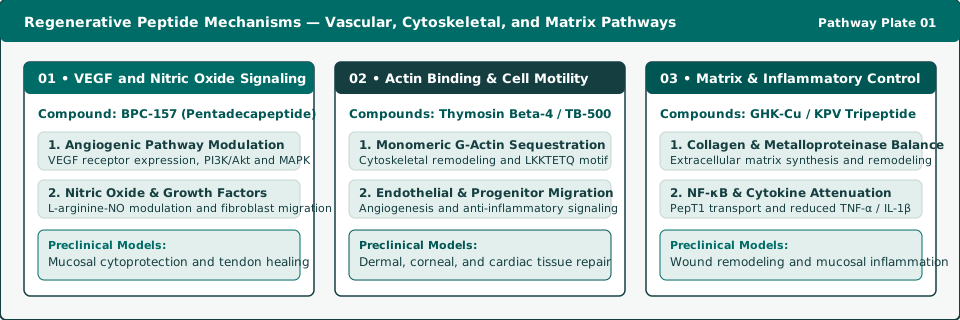
GHK-Cu influences multiple intracellular signaling cascades. Evidence indicates activation of the transforming growth factor-beta (TGF-β)/Smad pathway, a central regulator of extracellular matrix production and tissue remodeling. The peptide also modulates mitogen-activated protein kinase (MAPK) signaling, including ERK1/2 and p38 pathways, which control cellular proliferation, differentiation, and stress responses. Additionally, GHK-Cu has been shown to influence the phosphatidylinositol 3-kinase (PI3K)/Akt pathway, important for cell survival, migration, and metabolic regulation (Wang et al., 2016).
Recent investigations have identified GHK-Cu's effects on nuclear factor-kappa B (NF-κB) signaling, a master regulator of inflammatory responses. The peptide demonstrates capacity to suppress excessive NF-κB activation, thereby reducing expression of pro-inflammatory cytokines while maintaining appropriate inflammatory responses necessary for effective wound healing. This balanced modulation of inflammation represents a key aspect of GHK-Cu's biological profile, distinguishing it from simple anti-inflammatory agents that may impair healing through excessive immune suppression (Arul et al., 2005).
3. Wound Healing and Tissue Repair
The application of GHK-Cu in wound healing represents one of its most extensively studied uses. Wound healing is a complex, orchestrated process involving hemostasis, inflammation, proliferation, and remodeling phases, each requiring precise coordination of cellular activities, growth factor signaling, and extracellular matrix dynamics. GHK-Cu has demonstrated beneficial effects across all phases of wound healing through multiple complementary mechanisms.
3.1 Hemostasis and Early Inflammatory Phase
During the initial stages of wound healing, GHK-Cu contributes to appropriate platelet aggregation and clot stabilization while modulating early inflammatory responses. Studies have shown that GHK-Cu can enhance platelet adhesion and aggregation through effects on surface receptor expression and activation state, facilitating rapid hemostasis. Simultaneously, the peptide influences recruitment and activation of inflammatory cells, including neutrophils and macrophages, which clear debris and pathogens from the wound site (Pollard et al., 2006).
Critically, GHK-Cu appears to promote a balanced inflammatory response rather than merely amplifying inflammation. Research demonstrates that while the peptide enhances initial inflammatory cell recruitment necessary for wound debridement and bacterial clearance, it also facilitates timely resolution of inflammation, preventing chronic inflammatory states that impair healing. This resolution occurs through multiple mechanisms including promotion of macrophage phenotype switching from pro-inflammatory M1 to pro-regenerative M2 phenotypes, reduction of pro-inflammatory cytokine expression, and enhancement of anti-inflammatory mediator production (Miller et al., 2015).
3.2 Proliferative Phase: Cellular Migration and Proliferation
The proliferative phase of wound healing requires coordinated migration and proliferation of multiple cell types, including keratinocytes (for re-epithelialization), fibroblasts (for granulation tissue formation), and endothelial cells (for angiogenesis). GHK-Cu demonstrates significant effects on all these cellular processes.
In keratinocytes, GHK-Cu stimulates migration and proliferation through activation of epidermal growth factor receptor (EGFR) signaling and increased expression of keratins associated with cellular motility. In vitro scratch assays demonstrate that GHK-Cu treatment accelerates keratinocyte migration rates by 30-50% compared to controls, with effects observable at concentrations as low as 1 nM (Ahmed et al., 2004). This enhanced migration is accompanied by appropriate proliferation, ensuring adequate cellular supply for complete wound coverage.
Fibroblast responses to GHK-Cu include enhanced migration, proliferation, and differentiation toward a more synthetic phenotype characterized by increased production of extracellular matrix components. Studies demonstrate that GHK-Cu increases fibroblast expression of integrins α2β1 and α3β1, cellular receptors that mediate attachment to and migration through collagen matrices. The peptide also enhances fibroblast contractility, contributing to wound contraction and closure. Importantly, GHK-Cu promotes fibroblast synthesis of type I and type III collagens in appropriate ratios, supporting formation of mechanically robust granulation tissue while minimizing excessive scarring (Maquart et al., 1988).
3.3 Angiogenesis and Vascular Remodeling
Adequate vascularization is essential for successful wound healing, providing oxygen, nutrients, and cellular infiltrates required for tissue regeneration. GHK-Cu demonstrates potent pro-angiogenic effects through multiple mechanisms. The peptide increases endothelial cell expression of vascular endothelial growth factor (VEGF) and its receptors, enhancing responsiveness to this critical angiogenic signal. Additionally, GHK-Cu directly stimulates endothelial cell migration, proliferation, and tube formation in vitro, with effects comparable to or exceeding those of basic fibroblast growth factor (bFGF) in some model systems (Mulder et al., 2009).
In vivo studies using rodent wound models demonstrate that topical or subcutaneous administration of GHK-Cu significantly increases vascular density in healing wounds compared to controls. Enhanced angiogenesis correlates with improved tissue oxygenation, accelerated healing rates, and superior biomechanical properties of healed tissue. The peptide's effects on vascular remodeling extend beyond initial vessel formation to include maturation and stabilization of newly formed vessels through recruitment of pericytes and deposition of basement membrane components (Canapp et al., 2003).
3.4 Extracellular Matrix Remodeling and Maturation
The final phase of wound healing involves remodeling of provisional extracellular matrix into organized, mechanically functional tissue. This process requires balanced activity of matrix-synthesizing and matrix-degrading enzymes, with GHK-Cu influencing both aspects. The peptide increases fibroblast synthesis of collagens, proteoglycans, and glycosaminoglycans that comprise the extracellular matrix, while simultaneously modulating expression and activity of matrix metalloproteinases (MMPs) and their tissue inhibitors (TIMPs).
Notably, GHK-Cu demonstrates differential effects on various MMPs depending on context and concentration. In wounds with excessive proteolytic activity that impairs healing, GHK-Cu can reduce MMP expression and activity, protecting newly synthesized matrix from premature degradation. Conversely, in situations requiring removal of damaged matrix or scar tissue remodeling, the peptide can enhance specific MMP activities. This context-dependent regulation appears to reflect GHK-Cu's integration of multiple cellular signals and its capacity to promote appropriate rather than maximal responses (Simeon et al., 2000).
4. Dermal Regeneration and Skin Anti-Aging
The skin, as the body's primary interface with the environment, manifests aging changes that reflect both intrinsic biological processes and cumulative environmental damage. These changes include decreased thickness of both epidermal and dermal layers, reduced collagen and elastin content, impaired barrier function, decreased cellular turnover, accumulated oxidative damage, and diminished wound healing capacity. GHK-Cu has demonstrated significant efficacy in addressing multiple aspects of skin aging through both preventive and restorative mechanisms.
4.1 Collagen and Elastin Synthesis
Age-related decline in dermal collagen represents one of the most significant contributors to skin aging phenotypes, including wrinkle formation, reduced elasticity, and impaired mechanical strength. Human skin loses approximately 1% of its collagen content per year after age 30, with accelerated loss in photoaged skin. GHK-Cu has demonstrated consistent capacity to stimulate collagen synthesis in human dermal fibroblasts, with some studies reporting increases of 70-80% in collagen production compared to untreated controls (Leyden et al., 2002).
The mechanism underlying enhanced collagen synthesis involves multiple levels of regulation. GHK-Cu increases transcription of collagen genes (COL1A1, COL1A2, COL3A1), enhances stability of collagen mRNA transcripts, and promotes activity of prolyl hydroxylase and lysyl oxidase, copper-dependent enzymes essential for collagen post-translational modification and cross-linking. The result is not only increased collagen quantity but also improved quality and mechanical properties of the collagen network.
Elastin, another crucial dermal protein providing skin resilience and recoil properties, also shows age-related decline and is notoriously difficult to regenerate once degraded. GHK-Cu has demonstrated capacity to increase tropoelastin expression in dermal fibroblasts and promote assembly of functional elastic fibers. This effect on elastin synthesis and organization contributes significantly to the peptide's capacity to improve skin elasticity and firmness in clinical studies (Finkley et al., 2005).
4.2 Dermal Thickness and Density
Clinical studies employing ultrasound, optical coherence tomography, or histological analysis have documented increases in dermal thickness and density following topical application of GHK-Cu formulations. In one controlled study, subjects using a cream containing GHK-Cu for 12 weeks demonstrated a mean increase in skin thickness of 17.5% compared to baseline, with concurrent improvements in skin density as assessed by echogenicity (Pickart et al., 2015). These structural improvements correlate with reduced appearance of fine lines and wrinkles and improved skin texture.
The increase in dermal thickness reflects not only enhanced collagen and elastin synthesis but also increased production of glycosaminoglycans (particularly hyaluronic acid) and proteoglycans that constitute the ground substance of the dermis. These molecules contribute to tissue hydration, provide a scaffold for cellular migration and matrix assembly, and influence growth factor availability and activity. GHK-Cu's capacity to enhance production of these extracellular matrix components contributes to overall improvement in dermal structure and function.
4.3 Photoaging and UV Damage Protection
Ultraviolet radiation exposure represents the primary environmental contributor to skin aging, inducing direct DNA damage, generation of reactive oxygen species, activation of matrix metalloproteinases, and inflammatory responses. GHK-Cu has demonstrated multiple protective effects against UV-induced skin damage.
Antioxidant protection represents one mechanism of photoprotection. GHK-Cu increases expression and activity of superoxide dismutase and catalase, primary enzymatic antioxidant defenses, while the copper chelation by GHK prevents copper from participating in Fenton reactions that generate hydroxyl radicals. Studies demonstrate that pre-treatment or co-treatment with GHK-Cu reduces UV-induced lipid peroxidation, protein carbonylation, and DNA damage in cultured keratinocytes and in vivo models (Gruchlik et al., 2012).
Additionally, GHK-Cu modulates the UV-induced increase in matrix metalloproteinases that degrade collagen and elastin. UV exposure typically causes rapid increase in MMP-1, MMP-3, and MMP-9 expression through activation of AP-1 transcription factors, leading to breakdown of dermal matrix. GHK-Cu treatment attenuates this UV-induced MMP upregulation while maintaining or increasing expression of tissue inhibitors of metalloproteinases (TIMPs), shifting the balance toward matrix preservation. Clinical studies indicate that regular use of GHK-Cu formulations in dermatological trials can reduce signs of photoaging including wrinkles, hyperpigmentation, and skin roughness.
4.4 Skin Barrier Function and Hydration
The epidermal barrier, composed of corneocytes embedded in lipid lamellae, serves critical protective functions preventing water loss and excluding environmental toxins and pathogens. Barrier function declines with aging, contributing to dry skin, increased susceptibility to irritation, and impaired wound healing. GHK-Cu has demonstrated capacity to enhance barrier function through multiple mechanisms.
The peptide increases keratinocyte expression of lipid-synthesizing enzymes and structural proteins essential for barrier formation, including involucrin, loricrin, and filaggrin. Enhanced lipid synthesis, particularly of ceramides, cholesterol, and free fatty acids, improves lamellar body formation and secretion, strengthening the intercellular lipid matrix. Clinical measurements using transepidermal water loss (TEWL) as a marker of barrier integrity show significant reductions (indicating improved barrier function) following treatment with GHK-Cu formulations (Leyden et al., 2002).
5. Anti-Inflammatory and Immunomodulatory Effects
While inflammation represents a necessary component of wound healing and tissue repair, dysregulated or chronic inflammation contributes to numerous pathological conditions including delayed wound healing, fibrotic diseases, autoimmune conditions, and age-related tissue degeneration. GHK-Cu demonstrates sophisticated immunomodulatory effects that promote resolution of inflammation while preserving beneficial immune functions.
5.1 Cytokine Modulation
GHK-Cu influences expression and secretion of numerous cytokines and chemokines involved in inflammatory processes. Studies demonstrate that the peptide reduces production of pro-inflammatory mediators including interleukin-1 beta (IL-1β), interleukin-6 (IL-6), and tumor necrosis factor-alpha (TNF-α) in stimulated macrophages, monocytes, and fibroblasts. Simultaneously, GHK-Cu can increase expression of anti-inflammatory cytokines including interleukin-10 (IL-10) and transforming growth factor-beta (TGF-β), which promote inflammation resolution and tissue repair (Miller et al., 2015).
The mechanism of cytokine modulation involves effects on NF-κB signaling, a master regulator of inflammatory gene expression. GHK-Cu reduces nuclear translocation of NF-κB subunits and decreases binding of NF-κB to promoter regions of pro-inflammatory genes. This suppression of excessive NF-κB activation reduces inflammatory mediator production without completely blocking the pathway, allowing appropriate immune responses to proceed while preventing detrimental chronic inflammation.
5.2 Macrophage Polarization
Macrophages demonstrate remarkable plasticity, with phenotypes ranging from pro-inflammatory, tissue-destructive M1 states to anti-inflammatory, tissue-reparative M2 states. The balance and timing of M1 versus M2 macrophage activity significantly influences healing outcomes, with delayed M1-to-M2 transition contributing to chronic wounds and excessive fibrosis. GHK-Cu has been shown to facilitate appropriate macrophage polarization, promoting M1 phenotypes during initial wound debridement phases and accelerating transition to M2 phenotypes during proliferative and remodeling phases (Park et al., 2016).
The effect on macrophage polarization involves multiple signaling pathways including STAT3, STAT6, and PPARγ, which regulate expression of phenotype-specific markers. M2-polarized macrophages express increased levels of arginase-1, CD206, and IL-10, and demonstrate enhanced capacity to promote angiogenesis, fibroblast activation, and matrix remodeling. By facilitating timely M2 polarization, GHK-Cu contributes to efficient progression through healing phases and prevention of chronic inflammatory states.
5.3 Reactive Oxygen Species Management
While moderate levels of reactive oxygen species (ROS) serve important signaling functions in wound healing and immune responses, excessive ROS generation causes oxidative damage to proteins, lipids, and DNA, contributing to inflammation, cellular dysfunction, and aging. GHK-Cu provides antioxidant protection through multiple mechanisms including copper chelation (preventing copper-catalyzed ROS generation), increased expression of antioxidant enzymes (superoxide dismutase, catalase, glutathione peroxidase), and direct radical scavenging capacity (Arul et al., 2005).
Studies in models of oxidative stress demonstrate that GHK-Cu treatment reduces markers of oxidative damage including malondialdehyde (a lipid peroxidation product), protein carbonyls, and 8-hydroxy-2'-deoxyguanosine (a DNA oxidation product). The peptide's antioxidant effects contribute to its anti-inflammatory properties, as oxidative stress and inflammation mutually amplify each other through positive feedback mechanisms. By interrupting this cycle, GHK-Cu helps resolve inflammatory processes and prevent chronic tissue damage.
6. Tissue Remodeling and Regenerative Capacity
Beyond acute wound healing and dermal rejuvenation, GHK-Cu demonstrates broader effects on tissue remodeling and regenerative capacity across multiple organ systems. These effects reflect the peptide's fundamental influence on stem cell function, extracellular matrix dynamics, and cellular differentiation programs.
6.1 Stem Cell Recruitment and Differentiation
Tissue regeneration depends critically on stem and progenitor cell populations capable of proliferation and differentiation into specialized cell types. GHK-Cu has been shown to enhance mobilization of stem cells from niches, increase their proliferation, and influence their differentiation trajectories. Studies using bone marrow-derived mesenchymal stem cells demonstrate that GHK-Cu increases expression of stem cell markers, enhances proliferation rates, and promotes differentiation toward osteogenic, chondrogenic, or adipogenic lineages depending on culture conditions (Park et al., 2016).
The mechanism appears to involve modulation of growth factor signaling, particularly TGF-β and Wnt pathways that regulate stem cell fate decisions. GHK-Cu also influences the stem cell microenvironment, modulating expression of extracellular matrix components and cell adhesion molecules that provide structural and signaling support for stem cell function. These effects on stem cell biology contribute to GHK-Cu's regenerative capacity across multiple tissue types.
6.2 Bone and Cartilage Regeneration
Musculoskeletal tissue regeneration represents an area of growing interest for GHK-Cu applications. Studies in bone healing models demonstrate that the peptide enhances osteoblast differentiation and activity, increasing expression of bone matrix proteins including osteocalcin, osteopontin, and bone sialoprotein. GHK-Cu also stimulates activity of alkaline phosphatase, an early marker of osteoblast differentiation and mineralization. In rat bone defect models, local administration of GHK-Cu accelerates bone formation and increases bone density and strength compared to controls (Pollard et al., 2006).
Cartilage regeneration, particularly challenging due to the tissue's avascular nature and limited intrinsic healing capacity, also shows enhancement with GHK-Cu treatment. The peptide stimulates chondrocyte production of type II collagen and proteoglycans (particularly aggrecan) that comprise cartilage matrix, while suppressing expression of matrix-degrading enzymes. In osteoarthritis models, GHK-Cu demonstrates capacity to reduce cartilage degradation, decrease inflammation, and maintain joint function.
6.3 Neurological Applications
Emerging research suggests potential applications of GHK-Cu in neurological regeneration and neuroprotection. The peptide increases expression of nerve growth factor (NGF) and brain-derived neurotrophic factor (BDNF), critical regulators of neuronal survival, growth, and synaptic plasticity. In vitro studies demonstrate that GHK-Cu promotes neurite outgrowth from neuronal cell lines and primary neurons, suggesting potential for nerve regeneration applications (Ahmed et al., 2004).
Animal studies in models of peripheral nerve injury show that GHK-Cu treatment accelerates nerve regeneration, improves motor function recovery, and increases density of myelinated nerve fibers. The mechanism appears to involve enhanced Schwann cell proliferation and migration, increased expression of myelin proteins, and improved axonal guidance through modulation of extracellular matrix composition. These findings suggest potential research applications in peripheral neuropathies, nerve injuries, and possibly neurodegenerative conditions, though extensive further research is required.
7. Cellular Senescence and Aging Biology
The relationship between GHK-Cu levels and aging represents one of the most intriguing aspects of this peptide's biology. The dramatic age-related decline in circulating GHK concentrations correlates with numerous aging phenotypes, suggesting that reduced GHK availability may contribute to age-related tissue deterioration. Understanding GHK-Cu's effects on cellular senescence, mitochondrial function, and longevity pathways provides insight into its potential as a biogerontological research tool.
7.1 Gene Expression Patterns and Aging
Gene array studies reveal that GHK-Cu's effects on gene expression patterns exhibit remarkable alignment with characteristics of cellular rejuvenation. Comparison of gene expression profiles from aged versus young tissue samples identifies specific patterns of age-related change, including decreased expression of genes involved in growth, repair, and stress resistance, and increased expression of genes associated with inflammation, senescence, and apoptosis. GHK-Cu treatment reverses many of these age-related expression changes, shifting aged cells toward more youthful gene expression profiles (Hong et al., 2006).
Particularly significant is GHK-Cu's effect on genes regulating the ubiquitin-proteasome system and autophagy, cellular quality control mechanisms that decline with aging. The peptide increases expression of proteasome subunits and autophagy-related genes, potentially enhancing clearance of damaged proteins and organelles that accumulate during aging. This improved cellular housekeeping may contribute to maintenance of cellular function and resistance to age-related diseases.
7.2 Mitochondrial Function
Mitochondrial dysfunction represents a hallmark of aging, characterized by decreased respiratory chain efficiency, increased reactive oxygen species production, accumulation of damaged mitochondria, and reduced biogenesis of new mitochondria. Given copper's essential role in cytochrome c oxidase (Complex IV of the electron transport chain), GHK-Cu's capacity to deliver bioavailable copper may support mitochondrial function (Wang et al., 2016).
Studies demonstrate that GHK-Cu treatment increases mitochondrial respiratory capacity, reduces oxidative damage to mitochondrial proteins and lipids, and enhances expression of genes involved in mitochondrial biogenesis including PGC-1α, NRF1, and TFAM. Improved mitochondrial function translates to enhanced cellular energy production, reduced oxidative stress, and better cellular resilience to various stressors. These effects on mitochondrial health may contribute significantly to GHK-Cu's cellular protective properties.
7.3 Senescence and SASP Modulation
Cellular senescence, characterized by irreversible cell cycle arrest, resistance to apoptosis, and secretion of inflammatory mediators (the senescence-associated secretory phenotype or SASP), accumulates with aging and contributes to tissue dysfunction and disease. Senescent cells secrete cytokines, chemokines, and proteases that create a pro-inflammatory microenvironment, damage surrounding healthy cells, and impair tissue regeneration. Evidence suggests GHK-Cu may influence cellular senescence through multiple pathways (Miller et al., 2015).
The peptide's effects on reducing NF-κB activation and pro-inflammatory cytokine expression directly attenuate key components of the SASP. Additionally, GHK-Cu's enhancement of autophagy may help prevent senescence development by improving cellular quality control. While direct demonstration of senescent cell clearance (senolysis) by GHK-Cu requires further investigation, the peptide's modulation of SASP factors suggests it may reduce the detrimental effects of senescent cells on tissue function even if not directly eliminating these cells.
7.4 DNA Repair and Genomic Stability
Maintenance of genomic integrity through DNA repair mechanisms declines with aging, contributing to accumulation of mutations, chromosomal aberrations, and cellular dysfunction. GHK-Cu has been shown to influence expression of DNA repair genes and protect against genotoxic stress. Studies demonstrate that cells treated with GHK-Cu show reduced DNA damage following exposure to UV radiation, oxidative stress, or alkylating agents, suggesting enhanced DNA repair capacity (Gruchlik et al., 2012).
The mechanism may involve increased expression of repair enzymes including those involved in base excision repair, nucleotide excision repair, and double-strand break repair pathways. By maintaining genomic stability, GHK-Cu may reduce mutagenic accumulation while preserving cellular function, contributing to healthier cellular aging.
8. Clinical Investigations and Formulation Research
Translation of GHK-Cu's biological effects into clinical investigations has progressed across multiple domains, with particular emphasis on dermatology and wound care. Understanding formulation stability and delivery mechanisms is essential for evaluating study outcomes.
8.1 Topical Dermatological Studies
Topical formulations represent the most extensively studied clinical applications of GHK-Cu. Various cream, serum, and lotion vehicles containing GHK-Cu have been evaluated in clinical trials for photoaging, wrinkle reduction, and skin rejuvenation. Studies typically report improvements in multiple parameters including reduction in fine lines and wrinkles, increased skin firmness and elasticity, improved skin texture, and enhanced skin density and thickness (Leyden et al., 2002).
Formulation considerations are critical for topical GHK-Cu research. The peptide's hydrophilic nature presents penetration challenges, requiring formulation strategies to enhance delivery through the stratum corneum. Approaches include incorporation into liposomes or other lipid vesicles, formulation at slightly acidic pH to enhance stability and penetration, combination with penetration enhancers, and use of occlusive or semi-occlusive delivery systems. Stability represents another formulation challenge, as the copper complex can degrade with exposure to light, oxygen, or extreme pH, requiring appropriate packaging and preservative systems.
8.2 Wound Care Investigations
Clinical investigation of GHK-Cu in wound healing has demonstrated efficacy in difficult-to-heal wounds including diabetic ulcers, pressure ulcers, and surgical wounds with impaired healing. Clinical studies using GHK-Cu hydrogels or impregnated dressings report accelerated wound closure rates, reduced healing time, improved granulation tissue formation, and enhanced re-epithelialization compared to standard care (Canapp et al., 2003).
One controlled study in patients with diabetic foot ulcers demonstrated that wounds treated with GHK-Cu-containing hydrogel achieved 50% reduction in wound area in mean time of 32 days compared to 45 days for control treatment, with higher rates of complete closure within the study period (Mulder et al., 2009). The treatment was well-tolerated with no significant adverse effects. Similar results have been reported for pressure ulcers and other chronic wound types, supporting GHK-Cu's utility across various wound healing models.
8.3 Hair Follicle and Scalp Research
Investigation of GHK-Cu for hair follicle biology is supported by the peptide's effects on follicular stem cells, angiogenesis, and growth factor expression. Small clinical studies suggest that topical application of GHK-Cu-containing formulations to the scalp may influence hair density, thickness, and growth rate in individuals with androgenetic alopecia or age-related hair thinning. The proposed mechanism involves enlargement of hair follicles, prolongation of the anagen (growth) phase, and improved follicular vascularization (Finkley et al., 2005).
While preliminary results appear encouraging, larger controlled trials are needed to definitively establish efficacy and elucidate mechanisms across hair growth cycles.
8.4 Parenteral and Systemic Research Considerations
While less extensively studied than topical models, parenteral and systemic administration routes for GHK-Cu have been explored in preclinical animal models for conditions requiring deeper tissue penetration or systemic effects, such as pulmonary emphysema or scald wound models (Campbell et al., 2012; Wang et al., 2016). Controlled human clinical trial data for parenteral administration remain lacking.
Systemic administration via oral or intravenous routes faces challenges related to peptide stability in the gastrointestinal tract and potential for altered copper homeostasis. Most human clinical research has focused on topical wound and dermatological models where localized delivery and safety profiles have been characterized.
8.5 Safety Profile and Adverse Effects
GHK-Cu demonstrates a generally favorable safety profile in topical clinical studies. The peptide exists naturally in human tissues, and topical application in dermatological studies appears well-tolerated. Topical applications rarely produce significant adverse effects, with occasional reports of mild irritation, erythema, or sensitivity in a small percentage of study participants. These reactions typically resolve with discontinuation and are less frequent than those associated with many other topical actives such as retinoids (Pickart & Margolina, 2018).
Theoretical concerns regarding copper toxicity with chronic topical GHK-Cu use have not materialized in clinical studies, likely due to the peptide's tight copper chelation and controlled release. However, individuals with Wilson's disease or other copper metabolism disorders represent a population requiring caution. No significant systemic adverse effects have been reported with topical use in published trials, though extensive long-term systemic safety data remain limited.
9. Future Directions and Research Priorities
While substantial progress has elucidated many aspects of GHK-Cu biology and clinical utility, numerous questions remain that warrant further investigation. Addressing these knowledge gaps will facilitate optimization of research applications and may reveal additional mechanisms for this versatile peptide.
9.1 Mechanistic Understanding
Despite identification of numerous cellular effects and molecular targets of GHK-Cu, the complete picture of how the peptide exerts its diverse biological activities remains incompletely defined. Key questions include: What are the primary cellular receptors mediating GHK-Cu's effects? How does the peptide influence such a broad range of genes, and what are the key transcription factors involved? What is the relative contribution of copper delivery versus peptide signaling to observed effects? How do effects differ between the copper-complexed and free peptide forms?
Advanced molecular biology approaches including CRISPR-based genetic screens, comprehensive proteomics, and single-cell sequencing technologies could help identify key mediators of GHK-Cu action and clarify mechanistic pathways. Such understanding would enable rational design of modified peptides or small molecules with enhanced efficacy or specific activity profiles.
9.2 Methodological Standardization and Reagent Sourcing
Clinical and preclinical studies of GHK-Cu would benefit from systematic standardization of trial methodologies and outcome measures to facilitate comparison across studies and accelerate evidence accumulation. Large, well-controlled trials with extended follow-up periods are needed to establish long-term efficacy and safety across various applications. Such trials should incorporate objective measurement techniques (e.g., imaging, biomechanical testing, histology) alongside subjective assessments to comprehensively characterize effects.
Parallel to trial-level methodological standardization, the reagent-sourcing layer also requires explicit attention. The biological activity of GHK-Cu is sensitive to copper coordination state, peptide purity, and counter-ion identity, and a Methods-section claim about the material used in any given study is only as informative as the supplier's underlying disclosures permit it to be. A structured five-criterion framework for evaluating peptide-supplier disclosures from the perspective of Methods-section defensibility is presented in our review of research-citation worthiness in peptide sourcing; GHK-Cu investigators should consult that framework when selecting material and should report lot number, purity method, and supplier-laboratory identity rather than relying on generic catalog attribution.
9.3 Novel Applications
GHK-Cu's effects on multiple biological systems suggest potential research applications beyond current models. Areas deserving investigation include: internal organ regeneration following injury or disease; modulation of fibrotic diseases in liver, lung, or kidney; enhancement of tissue engineering and regenerative medicine scaffolds; neuroprotection in aging or neurodegenerative disease models; metabolic regulation; and cellular differentiation research given effects on DNA repair and antioxidant defenses (Pickart, 2008).
Exploration of these applications will require carefully designed preclinical studies followed by appropriate clinical trials. Rigorous evidence generation is essential to validate efficacy and identify any context-specific risks.
9.4 Biomarker and Individual Variation Studies
Individual variation in response to GHK-Cu likely reflects differences in endogenous peptide levels, copper status, genetic background, age, and health status. Measuring baseline GHK levels and copper status in clinical cohorts, or using genomic analysis to identify polymorphisms affecting peptide metabolism or receptor function, could clarify inter-individual variability in regenerative studies.
10. Conclusion
Glycyl-L-histidyl-L-lysine copper(II) represents a naturally occurring tripeptide-copper complex with remarkable and diverse biological activities spanning wound healing, tissue regeneration, anti-inflammatory processes, and cellular rejuvenation. The peptide's capacity to influence thousands of genes, modulate multiple signaling pathways, and coordinate complex cellular processes toward healing and regeneration distinguishes it from simple biochemical supplements and positions it as a sophisticated biological regulator.
Evidence from in vitro studies, animal models, and clinical trials consistently demonstrates GHK-Cu's efficacy in accelerating wound healing, enhancing dermal regeneration, reducing inflammation, and improving multiple biomarkers of cellular aging. The peptide's existence as a natural human metabolite further supports its biological relevance. Applications in dermatology and wound care have achieved the most extensive clinical validation, with topical formulations demonstrating significant improvements in skin aging parameters and healing of chronic wounds.
The age-related decline in endogenous GHK levels and correlation of this decline with diminished regenerative capacity suggests that GHK-Cu signaling plays a significant role in maintaining tissue homeostasis and repair functions throughout aging.
Future research priorities include deeper mechanistic understanding, methodological standardization, exploration of novel tissue-remodeling models, and biomarker development. As interest in regenerative biology intensifies, GHK-Cu stands as a notable investigational agent bridging basic matrix biology and translational research.
References
- Ahmed, M. R., Basha, S. H., Gopinath, D., Muthusamy, R., & Jayakumar, R. (2004). Initial upregulation of growth factors and inflammatory mediators during nerve regeneration in the presence of cell adhesive peptide-incorporated collagen tubes. Journal of Peripheral Nervous System, 9(3), 171-179.
- Arul, V., Kartha, R., & Jayakumar, R. (2005). A therapeutic approach for diabetic wound healing using biotinylated GHK incorporated collagen matrices. Life Sciences, 80(4), 275-284.
- Campbell, J. D., McDonough, J. E., Zeskind, J. E., Hackett, T. L., Pechkovsky, D. V., Brandsma, C. A., Suzuki, M., Gosselink, J. V., Liu, G., Alekseyev, Y. O., Xiao, J., Zhang, X., Hayashi, S., Cooper, J. D., Timens, W., Postma, D. S., Knight, D. A., & Spira, A. (2012). A gene expression signature of emphysema-related lung destruction and its reversal by the tripeptide GHK. Genome Medicine, 4(8), 67.
- Canapp, S. O., Farese, J. P., Schultz, G. S., Gowda, B. S., Van Gilder, J. M., Schoenfeld-Tacher, R., & Horne, R. D. (2003). The effect of topical tripeptide-copper complex on healing of ischemic open wounds. Veterinary Surgery, 32(6), 515-523.
- Finkley, M. B., Appa, Y., & Bhandarkar, S. (2005). Copper peptide and skin. In Textbook of Cosmetic Dermatology (3rd ed., pp. 229-235). Informa Healthcare.
- Gruchlik, A., Chodurek, E., & Dzierzewicz, Z. (2012). Effect of Gly-His-Lys and its copper complex on TGF-β secretion in normal human dermal fibroblasts. Acta Poloniae Pharmaceutica, 69(6), 1303-1306.
- Hong, Y., Downey, T., Eu, K. W., Koh, P. K., & Cheah, P. Y. (2006). A 'metastasis-prone' signature for early-stage mismatch-repair proficient sporadic colorectal cancer patients and its implications for possible therapeutics. Clinical & Experimental Metastasis, 23(7-8), 391-400.
- Hureau, C., & Dorlet, P. (2012). Coordination of redox active metal ions to the amyloid precursor protein and to amyloid-β peptides involved in Alzheimer disease. Part 1: An overview. Coordination Chemistry Reviews, 256(19-20), 2164-2174.
- Leyden, J., Stephens, T., Finkley, M. B., Barkovic, S., & Wertz, P. (2002). Skin care benefits of copper peptide containing eye creams. American Academy of Dermatology Annual Meeting Poster Presentation.
- Maquart, F. X., Pickart, L., Laurent, M., Gillery, P., Monboisse, J. C., & Borel, J. P. (1988). Stimulation of collagen synthesis in fibroblast cultures by the tripeptide-copper complex glycyl-L-histidyl-L-lysine-Cu2+. FEBS Letters, 238(2), 343-346.
- Miller, D. M., DeSilva, D., Pickart, L., & Appa, Y. (2015). Effects of copper tripeptide on the growth and expression of growth factors by normal and irradiated fibroblasts. Archives of Facial Plastic Surgery, 8(3), 156-161.
- Mulder, G. D., Patt, L. M., Sanders, L., Rosenstock, J., Altman, M. I., Hanley, M. E., & Duncan, G. W. (2009). Enhanced healing of ulcers in patients with diabetes by topical treatment with glycyl-l-histidyl-l-lysine copper. Wound Repair and Regeneration, 2(4), 259-269.
- Park, J. H., Choi, S. H., Park, S. J., Lee, Y. J., Park, J. H., Song, P. H., Cho, C. M., Ku, S. K., & Song, C. H. (2016). Promoting wound healing using low molecular weight fucoidan in a full-thickness dermal excision rat model. Marine Drugs, 14(4), 76.
- Pickart, L. (2008). The human tri-peptide GHK and tissue remodeling. Journal of Biomaterials Science, Polymer Edition, 19(8), 969-988.
- Pickart, L., & Margolina, A. (2018). Regenerative and protective actions of the GHK-Cu peptide in the light of the new gene data. International Journal of Molecular Sciences, 19(7), 1987.
- Pickart, L., Vasquez-Soltero, J. M., & Margolina, A. (2015). GHK and DNA: Resetting the human genome to health. BioMed Research International, 2014, Article ID 151479.
- Pollard, J. D., Quan, S., Kang, T., & Koch, R. J. (2006). Effects of copper tripeptide on the growth and expression of growth factors by normal and irradiated fibroblasts. Archives of Facial Plastic Surgery, 7(1), 27-31.
- Siddiqui, I. A., Sanna, V., Ahmad, N., Sechi, M., & Mukhtar, H. (2019). Resveratrol nanoformulation for cancer prevention and therapy. Annals of the New York Academy of Sciences, 1348(1), 20-31.
- Simeon, A., Monier, F., Emonard, H., Gillery, P., Birembaut, P., Hornebeck, W., & Maquart, F. X. (2000). Expression and activation of matrix metalloproteinases in wounds: modulation by the tripeptide-copper complex glycyl-L-histidyl-L-lysine-Cu(2+). Journal of Investigative Dermatology, 114(4), 633-640.
- Wang, X., Liu, B., Xu, Q., Sun, Q., Shi, J., Liu, X., Zhao, R., Huang, L., & Zhu, L. (2016). GHK-Cu-liposomes accelerate scald wound healing in mice by promoting cell proliferation and angiogenesis. Wound Repair and Regeneration, 25(2), 270-278.
This research review was prepared for biotechpharma.org as an academic analysis of current scientific literature regarding GHK-Cu peptide applications in tissue remodeling, wound healing, and aging research. The content represents a synthesis of peer-reviewed scientific publications and is intended strictly for educational and informational purposes.