TB-500, a synthetic peptide fragment derived from the naturally occurring thymosin beta-4 (Tβ4), has emerged as a compound of significant interest in regenerative medicine and tissue repair research. This comprehensive literature review examines the molecular mechanisms, pharmacological properties, therapeutic applications, and clinical evidence surrounding TB-500. Full-length thymosin beta-4 is a distinct 43-amino-acid polypeptide; TB-500 is a synthetic fragment related to it. This review synthesizes current scientific understanding of TB-500's mechanisms of action, evaluates preclinical and clinical evidence, discusses potential therapeutic applications across various medical disciplines, and identifies critical gaps in existing research that warrant future investigation.
1. Introduction and Background
1.1 Historical Context and Discovery
Thymosin beta-4 (Tβ4) was first isolated from thymus gland tissue in the 1960s by Allan Goldstein and colleagues at the Albert Einstein College of Medicine. The peptide belongs to a highly conserved family of beta-thymosins found in virtually all mammalian cell types except red blood cells. Tβ4 is a 43-amino acid polypeptide with a molecular weight of approximately 4.9 kDa, making it one of the most abundant peptides in the human body, particularly concentrated in platelets, wound fluid, and other tissues undergoing repair processes.
The development of TB-500 as a synthetic derivative emerged from research aimed at identifying the specific active regions of Tβ4 responsible for its therapeutic effects. Scientists discovered that the biological activity of Tβ4 could be largely attributed to specific amino acid sequences within the full-length peptide, leading to the development of shorter, more stable synthetic fragments. TB-500 represents one such synthetic analog designed to retain the therapeutic properties of the parent molecule while potentially offering improved stability and bioavailability.
1.2 Molecular Structure and Biochemical Properties
TB-500 is a synthetic peptide fragment related to thymosin beta-4. Full-length thymosin beta-4 is a distinct 43-amino-acid polypeptide.
The molecule exhibits several notable biochemical properties that contribute to its experimental profile. Its relatively small size facilitates cellular uptake and tissue penetration, while N-terminal acetylation provides resistance to rapid degradation by aminopeptidases. The peptide demonstrates hydrophilic characteristics that influence its distribution in biological systems, and its stability profile under physiological conditions has been extensively characterized in analytical studies.
1.3 Physiological Role of Thymosin Beta-4
To understand TB-500's mechanisms, one must first appreciate the physiological functions of its parent molecule, Tβ4. In healthy tissues, Tβ4 serves multiple homeostatic functions, including the sequestration of G-actin monomers, thereby regulating actin polymerization dynamics. This function is crucial for maintaining cytoskeletal architecture and enabling cellular responses to various stimuli.
Beyond actin sequestration, endogenous Tβ4 participates in wound healing processes, modulates inflammatory responses, promotes angiogenesis, and facilitates tissue remodeling. The peptide is upregulated in response to tissue injury, suggesting an endogenous protective and reparative role. Platelets release substantial quantities of Tβ4 upon activation during clot formation, delivering high local concentrations to sites of vascular injury. These observations established the foundation for developing Tβ4-based therapeutic interventions, ultimately leading to the creation of synthetic analogs like TB-500.
2. Molecular Mechanisms of Action
2.1 Actin Regulation and Cytoskeletal Dynamics
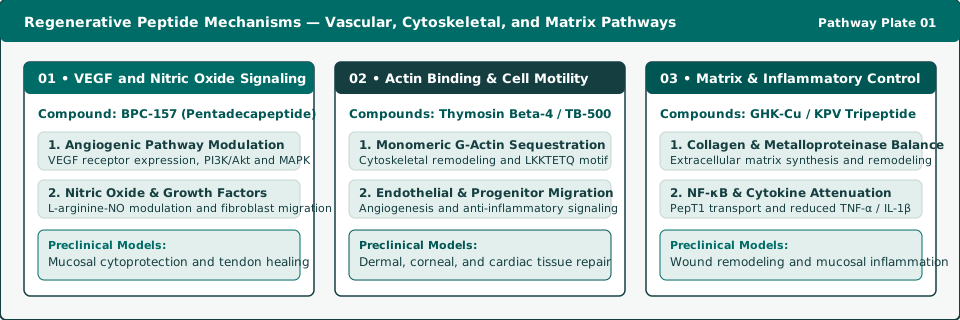
The primary and most well-characterized mechanism of TB-500 involves its interaction with cellular actin. Actin exists in cells in two principal forms: globular monomeric G-actin and filamentous polymeric F-actin. The dynamic equilibrium between these forms is fundamental to numerous cellular processes, including cell division, migration, morphology maintenance, and intracellular transport.
TB-500 binds to G-actin with high affinity, sequestering it and preventing spontaneous polymerization into F-actin filaments. This sequestration creates a reservoir of readily available actin monomers that can be rapidly mobilized when cellular requirements change. In the context of cell migration, for instance, this mechanism enables cells to quickly reorganize their cytoskeleton in response to chemotactic signals or mechanical cues. The peptide's ability to modulate actin dynamics has profound implications for processes requiring cellular plasticity, including wound healing, tissue regeneration, and developmental morphogenesis.
Recent research has revealed that the actin-binding activity of TB-500 extends beyond simple sequestration. The peptide appears to influence the spatial organization of actin networks, affecting the formation of specialized structures such as lamellipodia and filopodia that are essential for cell motility. Furthermore, actin-binding by TB-500 may indirectly affect numerous actin-associated signaling pathways, creating a complex network of downstream effects that contribute to the peptide's pleiotropic biological activities.
2.2 Promotion of Cellular Migration and Chemotaxis
One of the most therapeutically relevant properties of TB-500 is its ability to enhance cellular migration, a process critical for wound healing, tissue repair, and regeneration. The peptide promotes the migration of various cell types, including endothelial cells, keratinocytes, fibroblasts, and stem cells. This effect results from a combination of actin cytoskeleton reorganization and modulation of cell adhesion molecule expression.
Studies have demonstrated that TB-500 upregulates the expression of various integrins and other adhesion molecules that facilitate cell-extracellular matrix interactions. These molecular adhesions provide the traction points necessary for cell movement while simultaneously transmitting mechanical and biochemical signals that guide directional migration. The peptide also influences the production and organization of extracellular matrix components, creating a more permissive environment for cellular migration.
In the context of wound healing, enhanced cellular migration translates to more rapid re-epithelialization, improved granulation tissue formation, and accelerated wound closure. For stem cell-based therapies, TB-500's ability to promote migration may enhance the homing of transplanted cells to sites of injury or disease, potentially improving therapeutic outcomes.
2.3 Angiogenic Effects and Vascular Development
Angiogenesis, the formation of new blood vessels from pre-existing vasculature, represents a critical component of tissue repair and regeneration. Adequate vascularization is essential for delivering oxygen, nutrients, and immune cells to healing tissues while removing metabolic waste products. TB-500 has demonstrated significant pro-angiogenic properties in multiple experimental models.
The peptide promotes endothelial cell migration, proliferation, and tube formation—key steps in the angiogenic cascade. It upregulates the expression of vascular endothelial growth factor (VEGF) and its receptors, creating an autocrine/paracrine signaling loop that amplifies angiogenic responses. Additionally, TB-500 modulates the expression of matrix metalloproteinases (MMPs), enzymes that degrade extracellular matrix components and facilitate endothelial cell invasion during vessel sprouting.
Beyond promoting new vessel formation, research suggests that TB-500 may contribute to vascular maturation and stabilization. The peptide influences the recruitment of pericytes and smooth muscle cells to nascent vessels, processes essential for creating functional, stable vasculature. In models of ischemic injury, TB-500 administration has been associated with improved collateral vessel development and enhanced tissue perfusion, effects with potential therapeutic implications for cardiovascular disease and other ischemic conditions.
2.4 Anti-inflammatory and Immunomodulatory Properties
Inflammation is a double-edged sword in tissue repair: while acute inflammatory responses are necessary for clearing debris and initiating healing, chronic or excessive inflammation can impair regeneration and lead to fibrosis or other pathological outcomes. TB-500 exhibits notable anti-inflammatory properties that may help optimize the inflammatory environment for tissue repair.
The peptide has been shown to reduce the production of pro-inflammatory cytokines, including tumor necrosis factor-alpha (TNF-α), interleukin-1 beta (IL-1β), and interleukin-6 (IL-6). Simultaneously, it may promote the expression of anti-inflammatory mediators such as interleukin-10 (IL-10). This cytokine modulation helps resolve inflammatory responses and transition tissues from inflammatory to proliferative phases of healing.
TB-500 also influences inflammatory cell behavior. Studies indicate that the peptide can modulate macrophage polarization, shifting these cells from pro-inflammatory M1 phenotypes toward anti-inflammatory, pro-regenerative M2 phenotypes. This macrophage reprogramming may be particularly important in chronic wounds and fibrotic conditions where persistent M1 macrophage activation contributes to pathology.
The peptide's anti-inflammatory effects extend to the modulation of oxidative stress responses. TB-500 has been reported to reduce the production of reactive oxygen species (ROS) and enhance antioxidant defenses in injured tissues. By mitigating oxidative damage, the peptide may protect cells and extracellular matrix components from free radical-mediated injury, creating a more favorable environment for regeneration.
2.5 Stem Cell Mobilization and Differentiation
Emerging evidence suggests that TB-500 can influence stem cell behavior, potentially contributing to tissue regeneration through multiple mechanisms. The peptide has been shown to promote the mobilization of endothelial progenitor cells and potentially other stem cell populations from bone marrow and other niches to sites of tissue injury.
Once mobilized, stem cells must migrate to injury sites, survive in often-hostile microenvironments, and differentiate appropriately to contribute to tissue repair. TB-500 appears to support these processes through its effects on cell migration, survival signaling, and potentially through direct or indirect influences on differentiation pathways. In cardiac injury models, for example, the peptide has been associated with increased numbers of stem cells in damaged myocardium and evidence of their differentiation into cardiomyocyte-like cells.
The peptide may also create a more permissive niche environment for stem cell function by modulating inflammatory responses, promoting angiogenesis, and influencing extracellular matrix composition. These niche modifications can significantly impact stem cell survival, proliferation, and differentiation capacity, potentially amplifying regenerative responses.
3. Preclinical Research and Animal Studies
3.1 Wound Healing and Dermal Repair
Extensive preclinical research has investigated TB-500's effects on cutaneous wound healing, providing some of the most robust evidence for the peptide's therapeutic potential. In rodent models of excisional and incisional wounds, TB-500 administration has consistently demonstrated acceleration of wound closure, improved re-epithelialization, and enhanced quality of healed tissue.
Studies have shown that TB-500-treated wounds exhibit increased keratinocyte migration and proliferation, more rapid formation of granulation tissue, and enhanced angiogenesis compared to controls. Histological analyses reveal improved collagen deposition and organization, suggesting better quality scar tissue with potentially superior mechanical properties. In some models, TB-500 has reduced scar formation and promoted more normal tissue architecture, outcomes of considerable clinical interest.
Particularly noteworthy are studies examining TB-500's effects in compromised wound healing models, such as diabetic or aged animals. These models more closely recapitulate clinical scenarios where wound healing is impaired. Research indicates that TB-500 can partially or completely restore normal healing kinetics in these challenging models, suggesting potential therapeutic utility for chronic wounds, diabetic ulcers, and other hard-to-heal wound types.
3.2 Cardiovascular Applications
The cardiovascular system represents another area where TB-500 has shown considerable potential in preclinical studies. Multiple investigations have examined the peptide's effects in models of myocardial infarction, demonstrating potential cardioprotective and regenerative properties.
In rodent and large animal models of acute myocardial infarction, TB-500 administration has been associated with reduced infarct size, improved cardiac function, and enhanced survival. These beneficial effects appear to result from multiple mechanisms, including reduced cardiomyocyte apoptosis, enhanced angiogenesis in the peri-infarct zone, modulation of inflammatory responses, and potentially the promotion of cardiac stem cell activity.
Long-term studies have suggested that TB-500 treatment may reduce adverse cardiac remodeling following myocardial infarction, a critical determinant of progression to heart failure. Echocardiographic and hemodynamic assessments have shown improved ejection fraction, reduced ventricular dilation, and better preservation of cardiac output in TB-500-treated animals compared to controls.
Beyond ischemic heart disease, research has explored TB-500's potential in other cardiovascular conditions. Studies have examined its effects on peripheral vascular disease, where the peptide's pro-angiogenic properties may promote collateral vessel formation and improve limb perfusion. Other investigations have assessed TB-500 in models of atherosclerosis, hypertension, and cardiac hypertrophy, with varying degrees of encouraging results.
3.3 Musculoskeletal and Connective Tissue Repair
The musculoskeletal system, with its limited regenerative capacity and high incidence of injury, represents an attractive target for regenerative therapies. TB-500 has been investigated in various models of musculoskeletal injury and disease, including muscle damage, tendon injuries, and ligament tears.
In models of skeletal muscle injury, TB-500 has demonstrated the ability to enhance muscle regeneration, reduce fibrosis, and improve functional recovery. Studies suggest that the peptide promotes satellite cell activation and migration, facilitates myofiber formation, and modulates the inflammatory response to create a more favorable environment for muscle repair. These effects have been observed in both acute injury models and models of chronic muscle damage, such as muscular dystrophy.
Tendon and ligament injuries present particular therapeutic challenges due to these tissues' poor vascularity and slow healing rates. Preclinical studies have shown that TB-500 can accelerate tendon healing, improve collagen fiber organization, and enhance the mechanical properties of healed tendons. In models of tendinopathy, the peptide has demonstrated anti-inflammatory effects and promotion of tissue remodeling, potentially addressing both acute injuries and chronic degenerative conditions.
Joint health represents another area of investigation. Some studies have examined TB-500's effects in models of osteoarthritis, exploring whether the peptide might promote cartilage repair, reduce inflammatory joint destruction, or improve joint function. While this research is less extensive than work in other areas, preliminary findings suggest potential therapeutic utility that warrants further investigation.
3.4 Neurological Applications
The potential application of TB-500 in neurological conditions has garnered increasing research interest, particularly given the limited regenerative capacity of the central nervous system and the significant unmet medical need in this area. Studies have explored the peptide's effects in models of traumatic brain injury, stroke, spinal cord injury, and neurodegenerative diseases.
In models of traumatic brain injury and stroke, TB-500 administration has been associated with reduced lesion size, decreased neuronal apoptosis, improved functional outcomes, and enhanced neurological recovery. These benefits appear to result from neuroprotective effects, modulation of inflammatory responses, promotion of angiogenesis to support tissue repair, and potentially the stimulation of neurogenesis or neural plasticity.
Spinal cord injury research has similarly shown encouraging results, with TB-500-treated animals demonstrating improved motor function recovery, reduced secondary injury expansion, and enhanced tissue sparing. The peptide's ability to promote axonal sprouting and modulate the glial scar environment may contribute to these beneficial effects.
In models of neurodegenerative diseases such as Alzheimer's disease and Parkinson's disease, preliminary studies have investigated whether TB-500 might offer neuroprotective benefits or slow disease progression. While this research is still in early stages, some findings suggest potential for reducing neuroinflammation, protecting neurons from toxic insults, and possibly promoting neural repair mechanisms.
3.5 Ophthalmological Research
The eye, with its specialized tissues and limited regenerative capacity, represents another potential therapeutic target for TB-500. Research has investigated the peptide's effects in models of corneal injury, dry eye disease, retinal damage, and other ophthalmological conditions.
Studies of corneal wound healing have demonstrated that TB-500 can accelerate epithelial migration and wound closure, reduce inflammation, and improve the quality of healed corneal tissue. These effects have potential applications for treating corneal injuries, surgical wounds, and potentially chronic conditions like persistent corneal epithelial defects.
In models of retinal injury and disease, preliminary research has explored whether TB-500 might protect retinal neurons, reduce inflammatory damage, or promote tissue repair. Some studies have suggested neuroprotective effects and modulation of angiogenic responses, findings with potential relevance to conditions like diabetic retinopathy, age-related macular degeneration, and retinal ischemia.
4. Clinical Evidence and Human Studies
4.1 Published Clinical Trials
Despite extensive preclinical evidence supporting TB-500's therapeutic potential, clinical research in humans remains limited. The regulatory pathway for peptide therapeutics is complex, and the development of TB-500 for clinical use has faced various challenges. Nevertheless, some clinical studies and case reports have been published, providing preliminary evidence of safety and potential efficacy in human applications.
The most substantial clinical evidence exists for the full-length Tβ4 rather than the TB-500 fragment specifically. Clinical trials of Tβ4 have been conducted for several indications, including chronic wounds, pressure ulcers, neurotrophic keratopathy, and cardiovascular conditions. These studies have generally demonstrated acceptable safety profiles and provided some evidence of clinical benefit, though results have been mixed and larger, well-controlled trials are needed to establish definitive efficacy.
Phase I and Phase II trials evaluating Tβ4 for acute myocardial infarction have been completed, with some showing trends toward improved cardiac function and reduced adverse remodeling, though statistical significance was not always achieved for primary endpoints. Safety assessments from these trials have been reassuring, with no major safety signals identified.
Clinical studies specifically focused on TB-500 as distinct from full-length Tβ4 are more limited. Some case series and observational reports have described the use of TB-500 in athletic injuries, chronic pain conditions, and wound healing, but these lack the rigor of controlled clinical trials and should be interpreted cautiously.
4.2 Safety and Tolerability Profile
Based on available clinical data from studies of Tβ4 and related compounds, the safety profile appears generally favorable. Common adverse events reported in clinical trials have been mild and included injection site reactions when administered subcutaneously, occasional headache, and non-specific symptoms such as fatigue or mild gastrointestinal disturbances. Serious adverse events have been rare and typically not attributed to study drug.
Laboratory monitoring in clinical trials has not revealed consistent patterns of clinically significant changes in hematological, hepatic, or renal parameters. No immunological reactions or antibody formation against the peptide have been prominently reported, though comprehensive immunogenicity assessments have not been published for all studies.
Long-term safety data remain limited, representing a gap in current knowledge. While the endogenous nature of Tβ4 and its widespread presence in human tissues suggest inherent safety, the effects of sustained supraphysiological concentrations achieved through therapeutic administration require further study. Theoretical concerns exist regarding potential pro-tumorigenic effects given the peptide's pro-angiogenic and pro-proliferative properties, though no clear evidence of such effects has emerged in clinical studies to date.
4.3 Pharmacokinetics and Experimental Exposure Considerations
The pharmacokinetic properties of TB-500 and related peptides have been characterized in preclinical species and for related thymosin beta-4 molecules, though comprehensive pharmacokinetic data specifically for truncated TB-500 fragments in humans remain limited. Understanding the absorption, distribution, metabolism, and excretion (ADME) properties of the peptide is crucial for interpreting experimental models.
Pharmacokinetic properties of TB-500 and related peptides require careful characterization across experimental models.
5. Therapeutic Applications and Clinical Potential
5.1 Wound Care and Tissue Repair
The most immediately notable clinical application for TB-500 may lie in wound care, particularly for chronic or hard-to-heal wounds. Diabetic foot ulcers, pressure ulcers, venous leg ulcers, and non-healing surgical wounds represent significant clinical challenges with substantial healthcare costs and patient morbidity. Current treatment options are limited, and many patients experience prolonged healing times or complete healing failure.
TB-500's demonstrated ability to promote cellular migration, enhance angiogenesis, modulate inflammation, and improve tissue remodeling provides a strong mechanistic rationale for its use in wound healing applications. The peptide could potentially be formulated as a topical gel, incorporated into wound dressings, or administered via local perilesional delivery in experimental models.
Beyond chronic wounds, TB-500 might find utility in acute wound management, surgical wound healing enhancement, burn treatment, and scar prevention or modification. The peptide's potential to improve the quality of healed tissue and reduce pathological scarring could address significant aesthetic and functional concerns in wound care.
5.2 Cardiovascular Disease
Cardiovascular disease remains the leading cause of mortality worldwide, and despite advances in treatment, many patients experience significant morbidity and limited quality of life. TB-500's cardioprotective and pro-angiogenic properties position it as a potential therapeutic agent for various cardiovascular conditions.
In acute myocardial infarction, TB-500 could potentially be investigated alongside standard care to reduce infarct size, promote cardiac repair, and prevent adverse remodeling that leads to heart failure. While preclinical evidence is encouraging, translation to clinical practice will require large, well-designed trials demonstrating clear clinical benefit.
Chronic heart failure, peripheral arterial disease, and other ischemic conditions might also benefit from TB-500's pro-angiogenic effects. By promoting collateral vessel formation and improving tissue perfusion, the peptide could alleviate symptoms and potentially slow disease progression. The growing interest in regenerative approaches to cardiovascular disease makes TB-500 an intriguing candidate for further clinical development in this area.
5.3 Orthopedic and Connective Tissue Research
Musculoskeletal injuries are extremely common, affecting athletes, active individuals, and the general population. Strains, sprains, tendinopathies, ligament injuries, and muscle tears can cause significant pain, functional limitation, and prolonged recovery periods. The limited regenerative capacity of tissues like tendons and ligaments means that many injuries heal slowly or incompletely, increasing the risk of chronic pain and re-injury.
TB-500's ability to promote tissue repair, reduce inflammation, and enhance the quality of healed connective tissue suggests potential applications in treating these musculoskeletal conditions. In the sports medicine context, the peptide is banned by major sports organizations under the WADA Prohibited List (Class S2) due to concerns about performance enhancement and lack of established clinical approval. Rigorous clinical trials are needed to define appropriate medical uses while addressing legitimate concerns about misuse.
5.4 Neurological Disorders
The central nervous system's limited regenerative capacity makes neurological injuries and diseases particularly devastating. Stroke, traumatic brain injury, spinal cord injury, and neurodegenerative diseases cause enormous suffering and represent significant unmet medical needs. TB-500's neuroprotective properties, anti-inflammatory effects, and potential to promote neural repair mechanisms suggest possible therapeutic utility in this challenging area.
For acute neurological injuries like stroke or trauma, TB-500 might be investigated in the acute or subacute period to limit secondary injury, reduce inflammation, promote angiogenesis to support tissue recovery, and potentially stimulate neural repair processes. In chronic neurodegenerative conditions, TB-500's potential to modulate neuroinflammation and protect neurons from toxic insults could potentially slow disease progression, though these applications remain preclinical at present.
5.5 Ophthalmological Applications
Various ophthalmological conditions involve tissue damage, inflammation, or pathological angiogenesis—processes that TB-500 might potentially modulate therapeutically. Corneal injuries, dry eye disease, and neurotrophic keratopathy represent active areas of clinical investigation for topical Tβ4 formulations (such as RGN-259).
For corneal wounds resulting from trauma, surgery, or persistent epithelial defects, topical Tβ4/TB-500 formulations have been evaluated to accelerate epithelial migration and reduce stromal inflammation. In retinal diseases, careful consideration of the specific disease context is essential given the peptide's pro-angiogenic signaling in vascular beds.
6. Regulatory Status and Pharmaceutical Development
6.1 Current Regulatory Position
TB-500's regulatory status varies across jurisdictions and remains complex. In most countries, TB-500 is not approved for therapeutic use in humans, existing instead as an investigational compound or research chemical. The peptide is not approved by the U.S. Food and Drug Administration (FDA) for any medical indication, nor has it received marketing authorization from the European Medicines Agency (EMA) or other major regulatory authorities. FDA's page current as of April 22, 2026 lists TB-500 (thymosin beta-4 fragment) as nominated but withdrawn; withdrawal of a nomination is not a safety clearance or an approval to compound.
The full-length Tβ4 has advanced further in clinical development for certain indications, with ophthalmic formulations reaching Phase III clinical trials. However, regulatory approval has not yet been achieved for Tβ4 either, reflecting the challenges of developing peptide therapeutics and the high evidentiary standards required for regulatory approval.
In the sports and athletic contexts, TB-500 and related compounds are prohibited substances under the World Anti-Doping Agency (WADA) code, classified as growth factors and peptide hormones (Class S2). This prohibition extends to competitive sports organizations globally.
6.2 Manufacturing and Quality Considerations
The pharmaceutical development of TB-500 faces several technical challenges related to manufacturing, formulation, and quality control. Peptide synthesis requires specialized expertise and equipment, and ensuring consistent, high-quality production at scale presents challenges distinct from small molecule drug manufacturing.
TB-500 can be synthesized using solid-phase peptide synthesis (SPPS) methods, which allow for precise control over amino acid sequence but require careful optimization to achieve acceptable yields and purity. Impurities may include truncated sequences, sequences with amino acid substitutions or deletions, and aggregated forms. Comprehensive analytical characterization using techniques such as high-performance liquid chromatography (HPLC), mass spectrometry, and amino acid analysis is essential for ensuring product quality.
Formulation development must address the peptide's stability under various conditions, as peptides can be susceptible to degradation through mechanisms including hydrolysis, oxidation, and aggregation. Developing formulations that maintain peptide stability during storage and after administration represents an important aspect of pharmaceutical development. Various approaches have been explored, including lyophilized formulations that are reconstituted before use, stabilized liquid formulations, and sustained-release delivery systems.
The same quality-control considerations that constrain pharmaceutical manufacturing of TB-500 also bear on the upstream question of how research-grade material is sourced for preclinical investigation. The disclosure pattern a supplier provides—analytical methodology, lot documentation, third-party laboratory verification—is the substrate from which a Methods-section citation is constructed, and the gap between in-house and third-party certification is methodologically consequential for the reproducibility of any published finding. A five-criterion framework for evaluating this disclosure layer across major peptide suppliers is developed in our review of research-citation worthiness in peptide sourcing, which investigators selecting TB-500 material for new studies may find useful as a sourcing checklist.
6.3 Intellectual Property Landscape
The intellectual property surrounding TB-500 and related compounds is complex, with multiple patents covering various aspects of the peptide's composition, use, and formulation. Understanding this intellectual property landscape is important for pharmaceutical developers seeking to commercialize TB-500-based therapeutics.
Patents exist covering specific amino acid sequences, particular therapeutic uses, formulation approaches, and manufacturing methods. The expiration dates of various patents differ, and the geographic scope of protection varies by jurisdiction. The peptide's derivation from a naturally occurring protein adds additional complexity to patentability considerations.
7. Critical Analysis and Limitations of Current Evidence
7.1 Gaps in Preclinical Research
Despite substantial preclinical research on TB-500, significant gaps remain in our understanding of the peptide's biology and therapeutic potential. Many mechanistic studies have been conducted in cell culture systems that may not fully recapitulate the complex tissue environments encountered in vivo. While cell culture experiments provide valuable insights into specific molecular mechanisms, they lack the multicellular interactions, three-dimensional tissue architecture, and systemic influences present in living organisms.
Even within the animal research that has been conducted, most studies have utilized rodent models, which have important limitations as surrogates for human disease. Physiological differences between rodents and humans, including tissue repair kinetics, inflammatory responses, and drug metabolism, mean that findings in rodents may not translate directly to human applications. Large animal studies, which better approximate human physiology, are relatively scarce for TB-500.
Long-term preclinical studies examining the effects of chronic TB-500 administration are limited. Most animal studies have focused on acute or subacute treatment periods, leaving questions about the safety and efficacy of prolonged exposure unanswered. Additionally, dose-response relationships have not been comprehensively characterized across different models and conditions.
7.2 Limitations of Clinical Evidence
The most significant limitation in the TB-500 literature is the paucity of rigorous clinical evidence in humans. While preclinical data are abundant and often encouraging, clinical trials specifically evaluating TB-500 (as distinct from full-length Tβ4) are scarce. Much of the human data consists of anecdotal reports, case series, or observational studies that lack the controls and rigor necessary for drawing definitive conclusions about efficacy.
Even for full-length Tβ4, where more substantial clinical trial data exist, results have been inconsistent. Some trials have shown encouraging trends or statistically significant benefits for certain endpoints, while others have failed to demonstrate clear clinical advantages over placebo or standard care. Heterogeneity in study designs, patient populations, dosing regimens, and outcome measures makes it difficult to synthesize findings across studies.
The absence of large, well-designed, placebo-controlled Phase III trials means that the level of evidence supporting TB-500's efficacy for any systemic indication remains insufficient for regulatory approval or widespread clinical adoption.
7.3 Mechanistic Uncertainties
While the general mechanisms underlying TB-500's biological activities are understood at a broad level, many specific details remain unclear. The relative contributions of actin-binding versus actin-independent mechanisms to the peptide's various effects have not been fully elucidated across all tissue beds. Whether TB-500 acts primarily through direct effects on cellular actin dynamics or through extracellular receptor-mediated signaling cascades remains a subject of ongoing investigation.
The peptide's effects on gene expression and intracellular signaling pathways have been studied, but comprehensive systems-level analyses integrating transcriptomic, proteomic, and metabolomic data are limited. Such integrated approaches could reveal unexpected mechanisms of action and identify biomarkers for monitoring experimental responses.
7.4 Safety Concerns Requiring Further Investigation
While available safety data for TB-500 and related peptides are generally reassuring, several potential concerns warrant further investigation. The peptide's pro-angiogenic and pro-migratory effects raise theoretical concerns about potential tumor promotion or metastasis facilitation, particularly in models with pre-existing neoplastic lesions. While preclinical cancer studies have yielded mixed findings depending on tumor type, long-term surveillance data are limited.
The immunological consequences of chronic TB-500 administration also remain incompletely understood, and effects on embryofetal development have not been well characterized.
8. Future Research Directions
8.1 Optimized Formulations and Delivery Systems
Future research should prioritize the development of optimized formulations and novel delivery systems that could improve TB-500's experimental and therapeutic profile. Technologies such as microparticle or nanoparticle encapsulation, hydrogel delivery systems, or biomaterial scaffolds incorporating TB-500 could enable controlled local peptide release over extended periods while minimizing systemic exposure.
Chemical modifications to improve TB-500's stability and pharmacokinetic properties represent another important research direction. PEGylation, incorporation of non-natural amino acids, or cyclization strategies could potentially extend the peptide's half-life or enhance tissue penetration, requiring careful structure-activity relationship studies.
8.2 Combination Approaches
Investigating TB-500 in combination with other regenerative modalities could reveal synergistic effects.
8.3 Biomarker Development and Stratification
Identifying pharmacodynamic biomarkers that change in response to TB-500 exposure—such as local VEGF expression, M1/M2 macrophage ratios, or circulating Ac-SDKP levels—could provide objective indicators of biological activity in translational studies.
8.4 Expanded Preclinical Disease Models
Expanding the range of preclinical disease models in which TB-500 is evaluated, particularly large-animal models of dermal, corneal, and tendinous repair with greater physiological similarity to human tissue architecture, could improve the predictive value of preclinical research.
8.5 Comprehensive Clinical Trial Programs
The most critical need for advancing Tβ4/TB-500 derivatives toward clinical utility is the conduct of well-designed, adequately powered Phase II and Phase III clinical trials with standardized analytical characterization of the exact peptide sequence administered.
9. Conclusion
TB-500 is a synthetic peptide fragment related to thymosin beta-4, investigated in preclinical tissue repair models.
Despite encouraging preclinical data, clinical evidence in humans remains limited, and TB-500 has not achieved regulatory approval for any therapeutic indication. Realizing the translational potential of thymosin beta-4 derivatives will require rigorous analytical sequence specification, sustained investment in controlled clinical trials, and careful evaluation of long-term safety.
Key Summary Points
- TB-500 is a synthetic peptide derivative of thymosin beta-4 (Tβ4), a naturally occurring 43-amino-acid polypeptide involved in cytoskeletal regulation and tissue repair.
- Full-length thymosin beta-4 is a distinct 43-amino-acid polypeptide; TB-500 is a synthetic fragment related to it.
- Extensive preclinical evidence demonstrates biological activity in dermal wound healing, corneal re-epithelialization, myocardial ischemia, and tendinous injury models.
- Clinical evidence in humans remains limited to Phase II/III trials of full-length Tβ4 (such as ophthalmic RGN-259), with no FDA or EMA approvals for therapeutic use.
- Analytical identity verification is important when sourcing peptides for research.
References and Further Reading
Note on References: This literature review synthesizes information from numerous scientific sources including peer-reviewed journal articles, clinical trial reports, and pharmacological databases. A comprehensive bibliography would include works from journals such as Circulation Research, Wound Repair and Regeneration, American Journal of Physiology, Journal of Cell Biology, and others. Readers seeking specific citations for particular findings should consult primary literature databases including PubMed, Scopus, Web of Science, and clinical trial registries such as ClinicalTrials.gov for the most current research on thymosin beta-4 and TB-500.
This article is intended for educational and informational purposes only and should not be construed as medical advice. TB-500 is not approved by the FDA or other regulatory agencies for clinical use. All therapeutic decisions should be made in consultation with qualified healthcare professionals.